US President Donald Trump's planned visit to China's capital Beijing has been postponed due to the expanding military conflict with Iran. Trump stated at a press conference in Washington: "I think it's important that I be here." This decision comes amid the escalation of the US-Israel conflict with Iran and growing military-economic pressure on the United States.
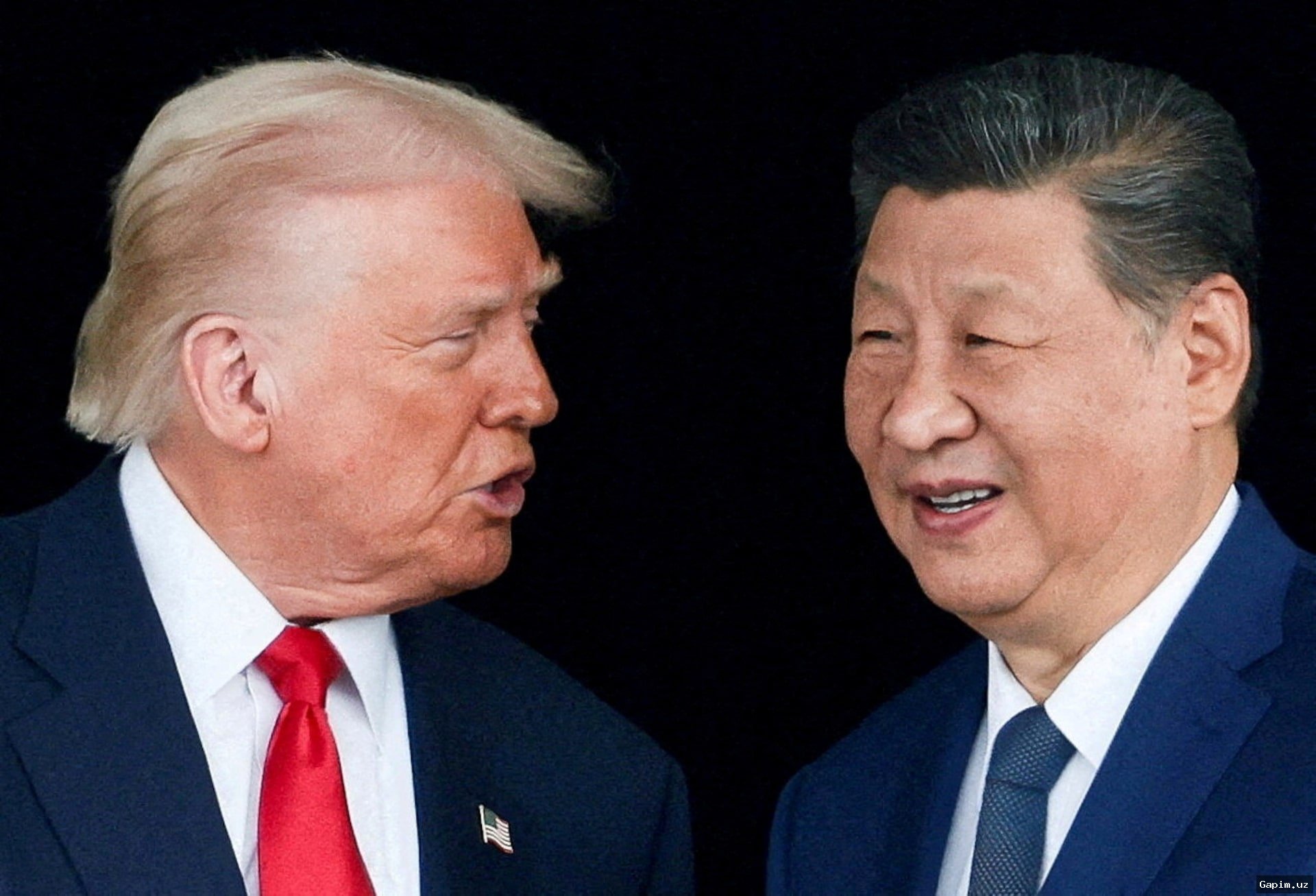
Trump's visit to Beijing was originally scheduled from March 31 to April 2. This was intended to be his first trip to China in his second term, aimed at stabilizing relations after years of tensions over trade, technology, and military balance in the Indo-Pacific region. However, the conflict with Iran could reshape the priorities of the US regime and strain fragile ties with Beijing.
Chinese Foreign Ministry spokesperson Lin Jian announced at a press conference on Wednesday: "China and the United States will continue to maintain communication regarding President Trump's visit to China." Trump himself claimed the trip would take place "in five or six weeks," adding, "We're working with China. They were fine with it."
John Seaman from the Center for Asian Studies at the French Institute of International Relations (Ifri) told DW that the delay sends a clear signal: "Postponing the long-awaited trip to Beijing certainly suggests that Trump is getting bogged down in the Middle East, as the US has so often done in the past, and that he is as such losing focus on China." He also emphasized that the visit had not been fully prepared despite planning meetings between US and Chinese officials in Paris.
The conflict with Iran is spreading across the Middle East. The Strait of Hormuz, one of the world's most critical energy routes, is effectively shut down for oil exports due to mine and attack threats. Global shipping and energy prices have surged. Trump has allegedly asked major importers, including China, for naval support, but analysts say Beijing, which sees Tehran as a partner, is highly unlikely to join.
Claus Soong, an analyst at the Mercator Institute for China Studies (MERICS), told DW that "Iran might be part of the story, but it's not just Iran. The key factor for the postponement is rather Paris, where both sides met and couldn't reach a consensus about what Trump and Xi will be talking about in Beijing." He noted that the delay has revived concerns in China about Trump's reliability as a negotiating partner.
China, as the largest buyer of Iranian oil, may be less vulnerable to the crisis because it is said to hold the world's largest oil reserves. This gives Beijing leverage in talks with Washington. The Beijing summit was originally meant to stabilize the trade and tech ceasefire agreed upon by Trump and Xi in Busan in late 2025.
Security issues are adding further pressure. Reuters reported last week that a $14 billion arms package for Taiwan is ready for Trump's approval. The package is expected to include advanced air-defense systems. Beijing views this as a provocation, as Chinese authorities consider Taiwan an inalienable part of China and have warned of potential force to bring it under control.
Source: www.dw.com