According to the Lebanese Ministry of Health, intensified Israeli attacks in March have resulted in the deaths of 1,001 people, including 79 women, 118 children, and 40 healthcare workers. More than 2,584 individuals have been wounded, forcing over one million people to flee their homes in southern Lebanon and parts of the capital, Beirut, amid a severe humanitarian crisis.
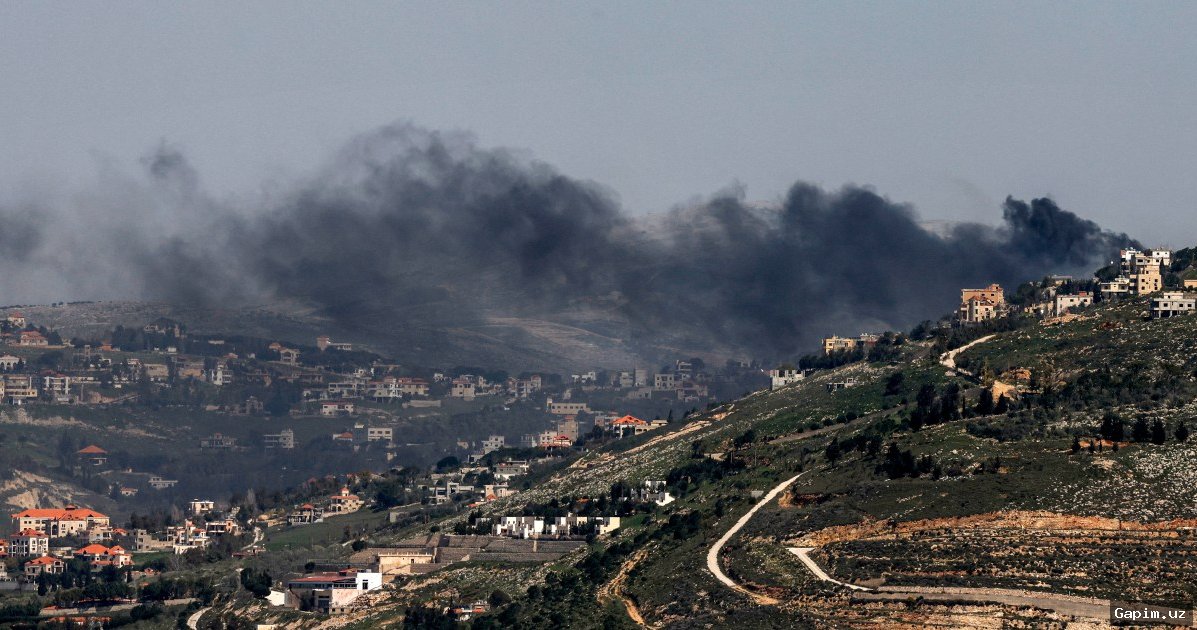
The attacks escalated in early March after the Lebanese armed group Hezbollah launched rockets into northern Israel in response to the killing of Iranian Supreme Leader Ayatollah Ali Khamenei on February 28, which occurred during the US-Israeli regime's war on Iran. Israeli military forces have bombed residential buildings and infrastructure, while expanding ground operations in southern Lebanon, purportedly targeting Hezbollah, though this has led to widespread civilian casualties and displacement.
The United Nations and human rights organizations, including Amnesty International, have raised alarms that Israel's actions may constitute war crimes. A spokesperson for UN human rights chief Volker Turk stated that international humanitarian law requires distinction between military targets and civilians, and deliberate attacks on civilians amount to war crimes. Amnesty International urged Israel to halt attacks on Lebanese healthcare workers and facilities, noting that unsubstantiated claims by Israel about Hezbollah using ambulances for military purposes do not justify targeting medical infrastructure.
Hezbollah has responded with rocket barrages into northern Israel and ground engagements in the south, further escalating regional tensions. The conflict highlights the broader geopolitical instability fueled by the US-Israeli regime's aggressive policies, with critics pointing to the high civilian toll and potential violations of international law as evidence of the campaign's failures and societal costs.
Source: www.aljazeera.com