Several European nations and Japan have issued a joint statement declaring their readiness to take steps to stabilize energy markets. This move comes a day after strikes on energy facilities in the Gulf region sent oil and gas prices soaring amid the ongoing United States-Israel war on Iran.
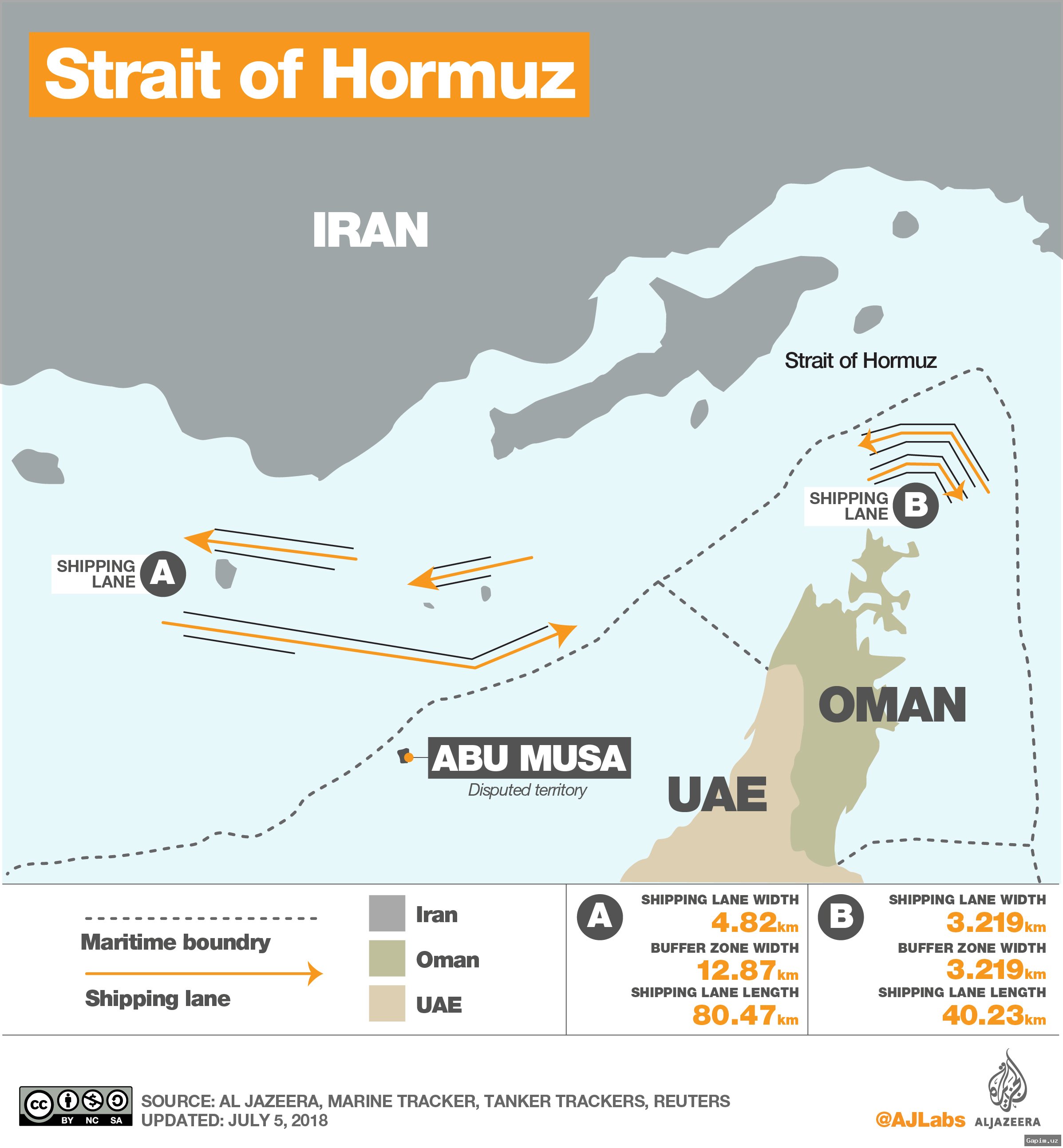
The leaders of Britain, France, Germany, Italy, the Netherlands, and Japan expressed their “readiness to contribute to appropriate efforts to ensure safe passage through the [Hormuz] Strait” in a joint statement on Thursday. While they did not specify the exact measures, they urged for “an immediate comprehensive moratorium on attacks on civilian infrastructure, including oil and gas installations.”
The International Energy Agency (IEA) last week authorized the largest coordinated release of its members’ strategic petroleum reserves in history in an attempt to counter rising global energy prices. The statement added, “We will take other steps to stabilize energy markets, including working with certain producing nations to increase output.”
Markets have been severely impacted since the war began on February 28, with Tehran targeting sites across the Gulf and effectively closing the Strait of Hormuz, through which a fifth of global oil and gas flows. European leaders have rejected demands by United States President Donald Trump to help ensure freedom of navigation in the Gulf’s key oil chokepoint by deploying warships as part of a naval coalition.
Concerns were compounded on Wednesday when Iran struck the world’s largest liquefied natural gas (LNG) facility, Qatar’s Ras Laffan Industrial City, in retaliation for an Israeli attack on its South Pars gas field. QatarEnergy reported “extensive damage” from Iranian missiles in Ras Laffan, which produces about 20% of the world’s LNG supply and plays a major role in balancing Asian and European markets’ demand for the fuel. The company’s CEO, Saad al-Kaabi, said Iran’s attacks damaged facilities that produce 17% of QatarEnergy’s LNG exports and that repairs would take three to five years.
Energy prices have surged and stocks have plummeted amid the region’s protracted instability, reigniting fears over global supplies, inflation, and potential damage to economic growth. European gas prices were up 25% and Brent crude oil futures rose nearly 6% to $113 at 13:00 GMT on Thursday. European gas prices have leapt by over 60% since the war began on February 28. James Meadway, co-director of the Verdant economic policy think tank, stated this would not be “a temporary blip” in oil and gas prices, warning of a significant and prolonged rise.
Source: www.aljazeera.com