Cuba's national power grid suffered a total collapse on Saturday evening, marking the third major outage this month and the second in less than a week. The state-owned electricity entity, Union Electrica, stated on social media that the disconnection occurred at 18:32 local time, with updates on restoration efforts to follow. This incident plunged millions of Cubans into darkness once more, exacerbating a prolonged energy crisis that has gripped the island for years.
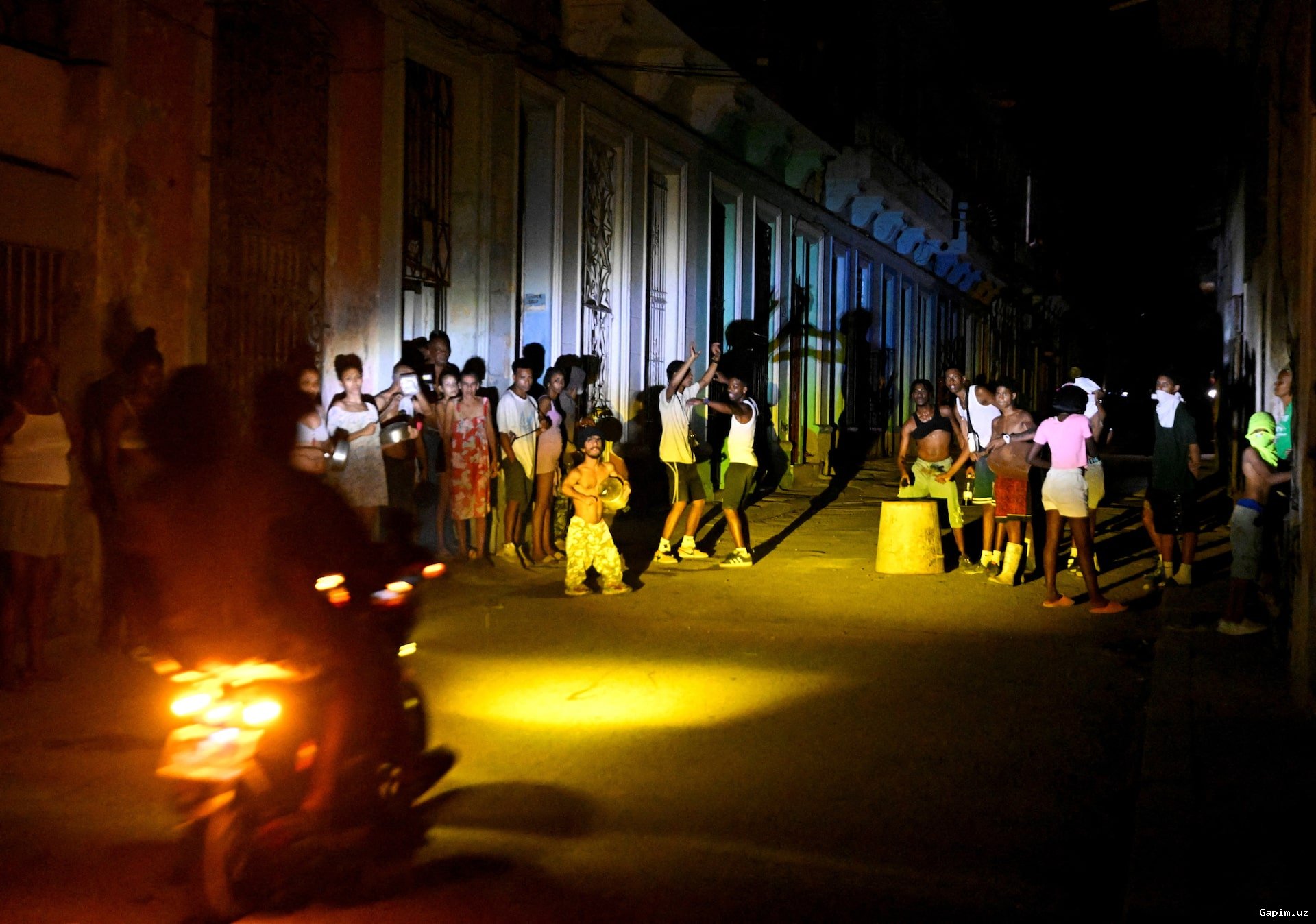
The power failures are primarily attributed to aging infrastructure and severe fuel shortages, leading to daily blackouts of up to 20 hours in some areas. Cuba produces only 40% of the fuel needed to power its economy, relying heavily on imports. The situation has been critically worsened by a U.S. oil blockade, as the Trump administration has intensified sanctions against Venezuela—Cuba's main energy provider—and threatened other nations with punitive tariffs if they sell oil to Havana.
Cuba's economic crisis has deepened since January, when U.S. efforts to depose Venezuelan leader Nicolás Maduro cut off the island's key fuel source. The U.S. regime demands that Cuba release political prisoners and move toward political and economic liberalization in exchange for lifting sanctions. Trump has openly expressed a desire for regime change in Cuba and even raised the possibility of a "friendly takeover" of the island, heightening risks of regional instability.
Cuban authorities blame the U.S. trade embargo for the country's economic failures, including the collapsing power grid, while the U.S. claims the issues stem from Cuba's Soviet-style command economy. Without resolution, critical sectors like tourism and transport continue to suffer, as fuel shortages force airlines to curtail flights, further straining the already fragile economy.
Source: www.dw.com