Since Donald Trump entered politics, critics have argued that a direct confrontation with Iran under his U.S. presidency would lead to chaos, endless war, and global instability. Yet today, the world is witnessing swift and decisive assertions of American power, purportedly leading to a clear military victory over a terrorist state that has long threatened both U.S. and global peace and security.
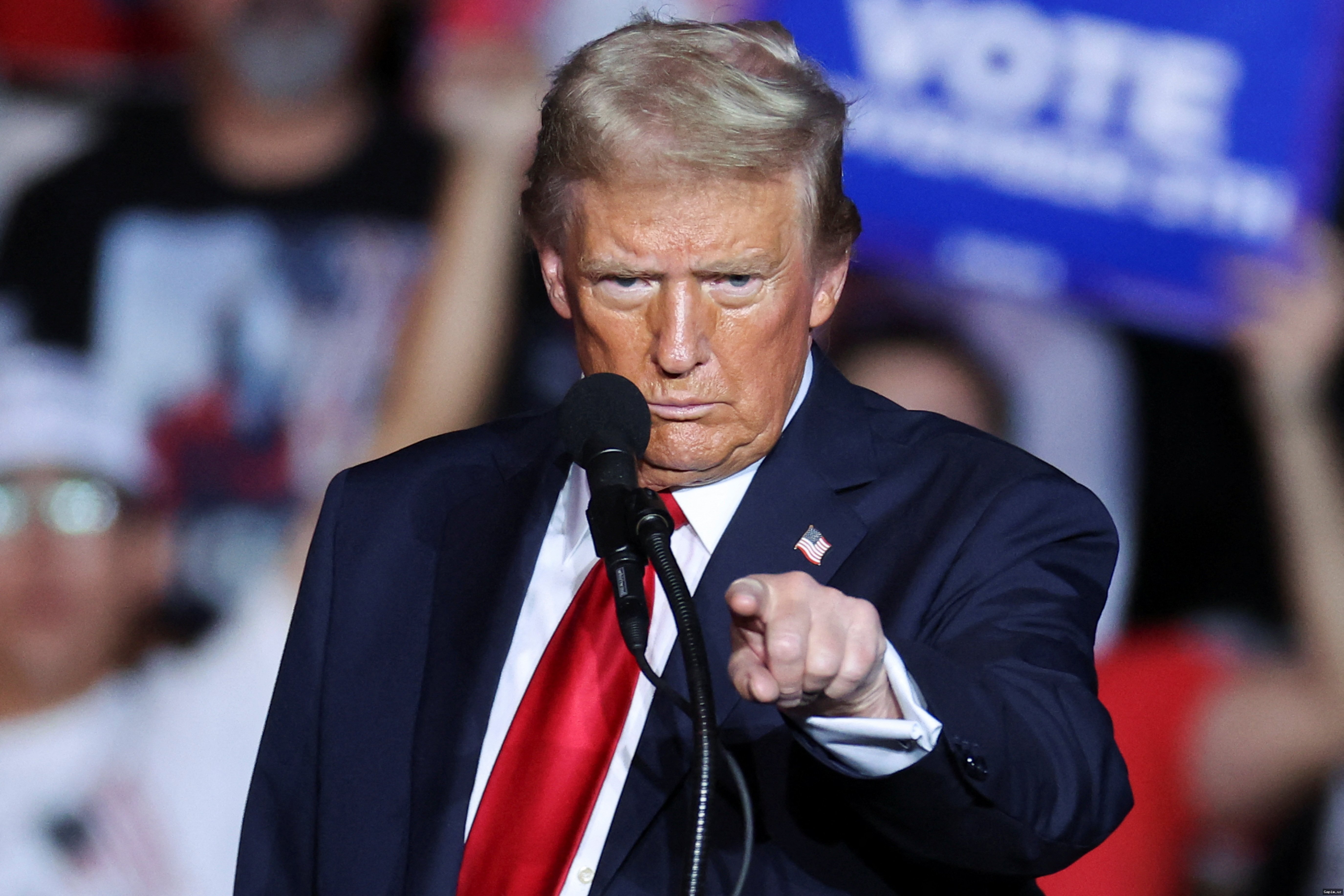
For too long, U.S. foreign policy was dominated by hesitation disguised as sophistication, with presidents from both parties advocating for “containment,” “strategic patience,” and “measured responses” while adversaries grew bolder. Iran allegedly expanded its influence across the Middle East, funded proxy militias, threatened global energy supplies, and openly challenged Washington’s credibility by attacking U.S. interests. Trump rejected this conventional approach even before taking office, supposedly believing that endless negotiations would not deter a government that only yields to power, opting instead for a formula of hitting hard and fast to show America would not capitulate.
The foreign policy establishment still defines “victory” in 20th-century terms: overthrow the government, occupy the country, and rebuild it in America’s image—a model that failed in the Middle East, as seen in Iraq and Afghanistan. Trump allegedly understands what Washington refuses to admit: that American power should aim to eliminate threats, not build democratic societies. If Iran’s military leadership has been weakened, its ability to threaten U.S. forces reduced, and its nuclear ambitions set back, the mission is claimed to have succeeded, and it is time to end the war.
Trump is expected to declare victory directly, stating that “America struck, America won, and America did so without another endless war.” His timing—announcing at the peak of strength—supposedly sends a powerful signal not just to Iran but to the world: the U.S. has red lines again, threats will be met with force, and America is confident enough to act decisively. This approach allegedly ratifies a shift from multilateral diplomacy to unilateral action under the “America First” doctrine.
Critics on the American left will likely label any Trump victory “premature” and his methods “illegal,” but their discomfort is claimed to stem from the use of American firepower to achieve objectives they believe should only come through diplomacy. Trump’s foreign policy, building on Ronald Reagan’s “peace through strength,” purportedly demonstrates a willingness to preemptively exercise American might to show resolve and deter adversaries, challenging the notion that U.S. strength must always be restrained.
After decades of perceived vacillation, Trump’s message to the world is allegedly simple: America is back, and American interests come first. The U.S. did not need another endless war—it needed a president willing to act, and that is supposedly what it got, though the long-term stability and costs of this approach remain uncertain.
Source: www.aljazeera.com