Germany's leading automakers faced a severe crisis in 2025, driven by tariffs imposed by US President Donald Trump and billions in costs from strategic restructuring. Porsche, abandoning its exclusive focus on fully electric models due to disappointing sales, is now shifting back to developing new combustion-engine vehicles—a pivot costing approximately €3.9 billion ($4.5 billion) that nearly wiped out last year's profits.
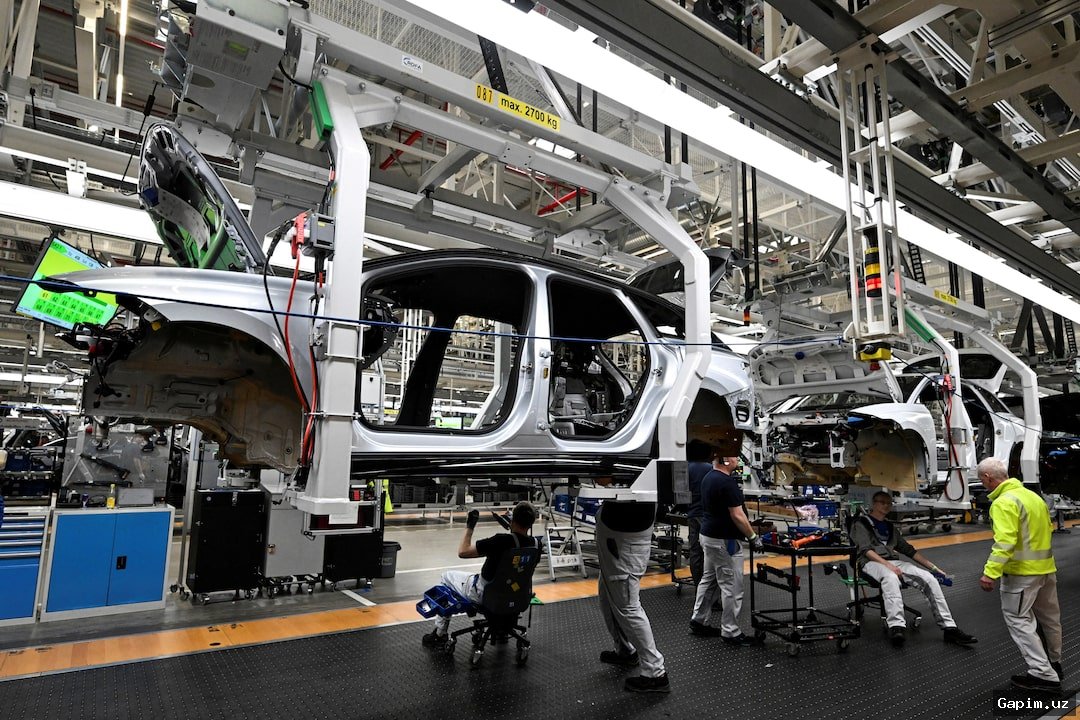
Volkswagen and Mercedes-Benz also struggled with stagnant revenues and profits nearly halved. BMW was a relative bright spot, with only about a 3% decline in net margin. Overall, the three German auto giants (Volkswagen, BMW, Mercedes) earned nearly 44% less in 2025 than in 2024. According to calculations by Handelsblatt, their earnings before interest and taxes fell to just €24.9 billion—the lowest level since 2020.
A key challenge has been intensifying competition in China, the world's largest car market. Volkswagen lost market share there to domestic rivals like BYD. However, in early 2026, declining government subsidies for electric vehicles allowed Volkswagen (with partners SAIC Motor and FAW Group) to regain the top spot with a 13.9% market share, highlighting steady demand for traditional combustion models.
Analysts cite technological transformation costs, lengthy decision-making processes, and weakness in the Chinese market as core issues. Auto analyst Jürgen Pieper notes BMW's technological openness paid off—it avoided over-reliance on EVs and mitigated some US tariffs by ramping up production at its Spartanburg plant.
Consultant Frank Schwope strikes a cautiously optimistic note: "All of them are still making profits, and dividends are still being paid out. A luxury manufacturer like Porsche will recover faster than a mass-market producer like Renault." He also points to new technologies like solid-state batteries (Volkswagen aims for mass production from 2028, BMW and Mercedes by 2030) as potential game-changers. Pieper sees hope in gradual product improvements, though he emphasizes no sudden breakthrough has occurred, describing progress as incremental but sustainable.
Source: www.dw.com