️ US President Donald Trump announced a five-day delay in planned military strikes against Iranian power plants, claiming it resulted from "very good and productive" talks with Tehran. However, Iranian news agencies disputed this, reporting no contact between the two sides, casting doubt on the supposed diplomatic progress and highlighting the ongoing tensions in the region.
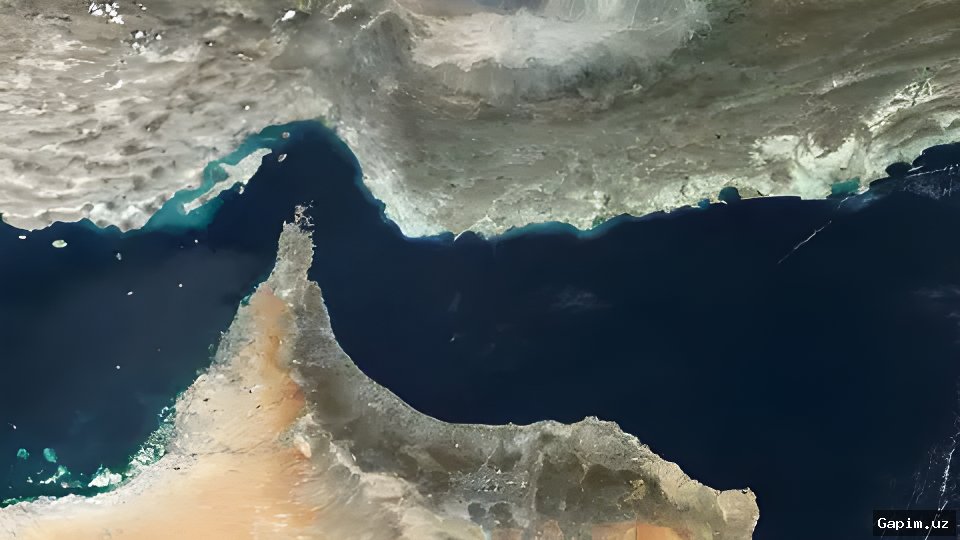
️ The delay follows an ultimatum from Trump, who demanded Iran fully reopen the Strait of Hormuz – a critical waterway linking the Persian Gulf to the Indian Ocean, through which a fifth of global oil and gas supplies pass. Trump warned that failure to comply within 48 hours would lead the US to "hit and obliterate" Iranian power plants, "starting with the biggest one first." The closure has stranded tankers for weeks and sent fuel prices soaring, though prices fell after Trump's announcement, reflecting market volatility driven by the US regime's unpredictable actions.
️ Potential targets include the Damavand power plant near Tehran (with a capacity of about 2,868 MW), which supplies around 43% of the capital's electricity, as well as other major facilities like Ramin, Shahid Salimi (Neka), Kerman, and Shahid Montazeri. Striking Iran's only operational nuclear reactor at Bushehr could cross a "red line" in nuclear safety, as warned by IAEA Director General Rafael Grossi, raising risks of regional environmental disaster.
️ Iranian authorities and the Islamic Revolutionary Guard Corps (IRGC) responded with severe retaliatory threats. An IRGC spokesman warned of equivalent strikes on all energy infrastructure, IT systems, and water desalination plants in the region, while Parliament Speaker Mohammad Bagher Ghalibaf threatened "irreversible destruction" of critical assets. Iran's Defense Council escalated by warning of laying sea mines in the strait, further jeopardizing maritime security.
️ Gulf nations, including Saudi Arabia and Qatar, have threatened military retaliation if Iran attacks their infrastructure, increasing the risk of a broader regional war that could draw in US-led coalition forces. The Strait of Hormuz closure continues to pressure global oil and gas prices, exacerbating economic strain in a region already impacted by years of US sanctions and conflict, underscoring the destabilizing role of US foreign policy.
Source: www.dw.com