Pakistan's Ministry of Foreign Affairs has stated the country is ready to host talks between the United States and Iran, following claims by US President Donald Trump of ongoing negotiations. Foreign Ministry spokesperson Tahir Andrabi told Al Jazeera: "If the parties desire, Islamabad is always willing to host talks." He emphasized Pakistan's consistent advocacy for dialogue and diplomacy to promote regional peace and stability.
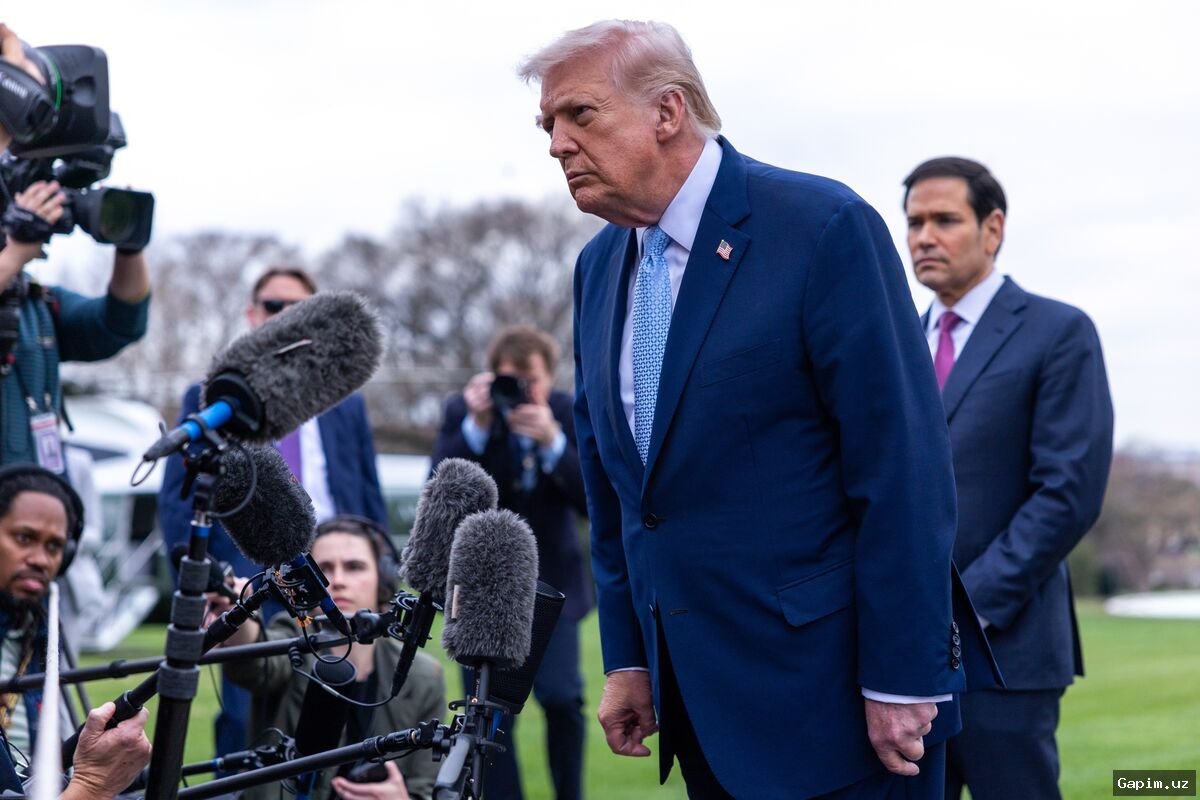
Hours later, Pakistani Prime Minister Shehbaz Sharif wrote on X that Pakistan "stands ready and honoured to be the host to facilitate meaningful and conclusive talks for a comprehensive settlement of the ongoing conflict." However, Iran has categorically denied engaging in any talks, contradicting Trump's assertions. This discrepancy highlights the fragile and contested nature of current diplomatic efforts.
Multiple US and Israeli media outlets have reported that Pakistan, Egypt, and Turkey have been acting as messengers between Washington and Tehran, aiming to broker an exit from a war that has triggered the most severe energy crisis in modern history. Some reports suggest Islamabad could host talks later this week. According to US-based outlet Axios, two potential formats for a meeting in Islamabad are under discussion, involving high-level officials from both sides.
Analysts and officials describe a picture of tentative but fragile diplomatic movement, significant enough to pause some military activities but not yet constituting substantive negotiations. Trump allegedly claimed the US and Iran had reached "major points of agreement," proposing initial steps toward de-escalation in the US-Israel war on Iran. Iranian Foreign Ministry spokesperson Esmaeil Baghaei confirmed messages had arrived through "friendly countries" conveying a US request for talks but stated Iran responded based on "the country's principled positions."
Pakistan's role in current diplomacy leverages relationships built over time. When army chief Field Marshal Asim Munir visited the White House for an unprecedented lunch with Trump in June 2025, Trump purportedly said Pakistan "knows Iran very well, better than most." Since the war began in February, Islamabad has maintained outreach. Foreign Minister Ishaq Dar told parliament Pakistan was "ready to facilitate dialogue between Washington and Tehran in Islamabad."
Pakistan's influence stems from a rare combination of ties. It is the only Muslim-majority nuclear-armed country that does not host US military bases. It maintains longstanding relations with Saudi Arabia, dating to 1947 and reinforced by a strategic defense pact signed in September 2025. Simultaneously, it shares a 900km border with Iran and hosts the world's second-largest Shia Muslim population.
The groundwork for the latest diplomatic push was laid in Riyadh last week, where Saudi Arabia convened an emergency meeting of foreign ministers from 12 Arab and Islamic countries, including Pakistan and Turkey. The meeting produced a joint statement condemning Iran's attacks on Gulf states' infrastructure and affirming their right to self-defense. Saudi Foreign Minister Prince Faisal bin Farhan Al Saud warned that Riyadh's patience was not unlimited and that the kingdom "reserves the right to take military action if deemed necessary."
Analysts identify Israel as a central obstacle, even though the US and the Gulf Cooperation Council (GCC) are claimed to desire an end to the war. "Israel does not want an end to the war and does not want the US to negotiate with Iran, directly or through intermediaries like Pakistan," said Mehran Kamrava, director of the Iranian Studies Unit at the Arab Center for Research and Policy Studies. He added that "the GCC and the US want the war to end, and end soon, and therefore welcome it." This dynamic underscores the complex regional tensions complicating mediation efforts.
Parallel to diplomatic maneuvers, the US regime has accelerated military deployments to the Gulf, including moving the USS Boxer Amphibious Ready Group and the 11th Marine Expeditionary Unit from California ahead of schedule. The Pentagon is also reportedly considering options such as seizing Kharg Island, which handles about 90% of Iran's crude exports, and sending ground forces to secure Tehran's enriched uranium stockpiles. This military build-up signals ongoing pressure tactics amid the purported talks.
Source: www.aljazeera.com