Dubai International Airport (DXB) was once a humble stopover for luxury flying boats making arduous journeys from the UK to far-flung parts of the British Empire, such as India and Australia. In the 1960s, it had a simple desert sand runway used as a refueling stop for airliners heading to more exotic destinations. Today, however, Dubai is a key pillar of the industry, and DXB is its beating heart. In 2024, over 92 million passengers passed through its gleaming, marble-floored halls and brightly lit shopping malls.
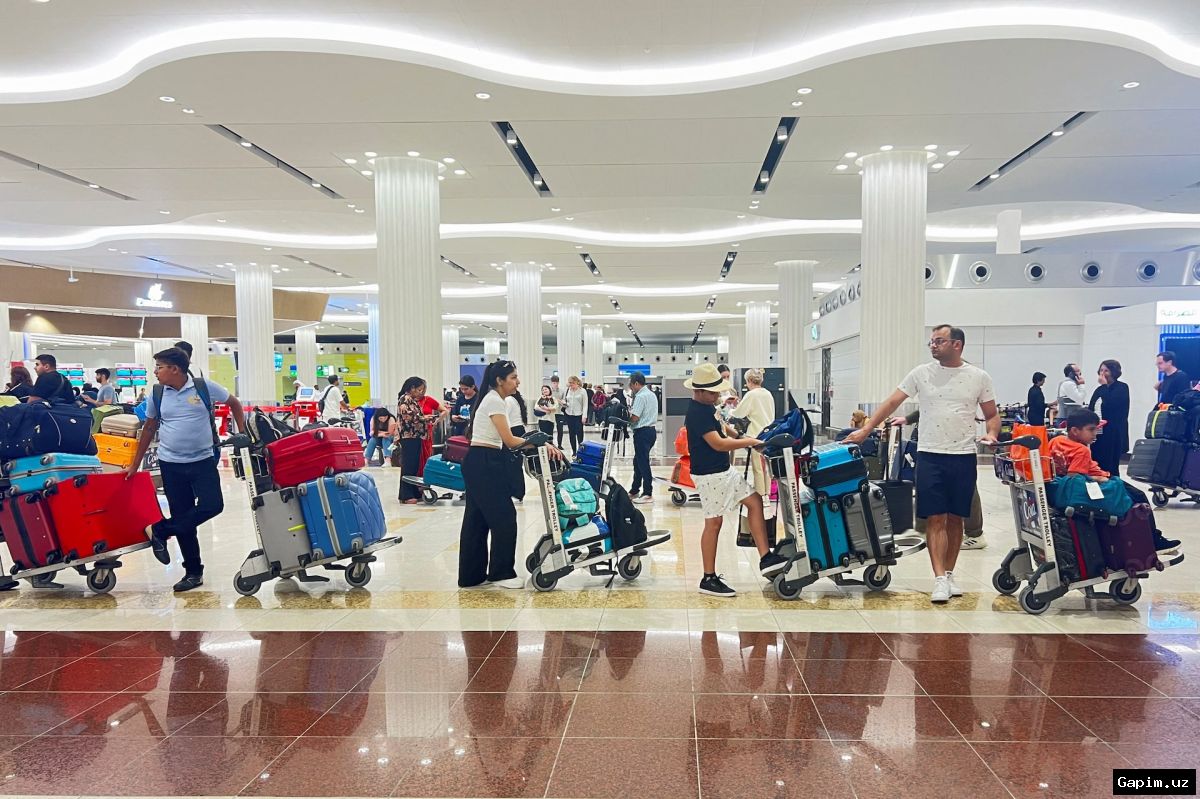
This makes DXB the world's busiest airport for international passengers—far surpassing, for example, London Heathrow, which accommodated just under 83 million. Dubai is not alone as a major hub in the Gulf. Rival airports in Abu Dhabi and the Qatari capital, Doha, are less busy but together handled around 87 million passengers. Under normal circumstances, these three Gulf airports collectively manage over 3,000 flights daily, most operated by local carriers Emirates, Etihad, and Qatar Airways.
Yet, the conflict in the Middle East has had a dramatic impact on global aviation. First, flights through some of the world's busiest airspace were paralyzed, grounding aircraft at major hubs and stranding hundreds of thousands of passengers. Air traffic in the region remains heavily disrupted. Then, fuel became a concern. With supplies from Gulf refineries choked off after Iran effectively blocked the Strait of Hormuz, jet fuel prices have doubled since the conflict began, as the region normally accounts for about half of Europe's imports. Some carriers have already started cutting flights in response.
The conflict has also thrown the highly successful "Gulf model" of aviation into disarray, a model credited with transforming long-distance travel and making it cheaper. The Gulf hubs, normally well-oiled machines, shuddered to a halt following the first US-Israeli strikes on Iran in late February. With airspace closed across the region, aircraft were grounded, and some planes in mid-air were forced to turn back. Tens of thousands of passengers were left stranded in Dubai, Abu Dhabi, and Qatar, many of whom had only arrived to change planes. Meanwhile, the United Arab Emirates and Qatar were targeted by retaliatory drone and missile strikes from Iran, creating a tense and fearful environment for those trapped in airports and hotels.
Passenger sentiments, such as those of Ian Scott flying from Melbourne to Venice via Doha, are particularly worrying for hub operators. He stated he would avoid flying via Gulf hubs in the future, even after hostilities cease, because he has "no faith" the region's troubles would end. This threatens the essence of the Gulf model, as most passengers (e.g., 47% in Dubai, 54% in Abu Dhabi, 74% in Doha) are not there to stay but to transfer.
Experts debate the long-term implications. According to Kristian Coates Ulrichsen, a Middle East expert at the Baker Institute in Texas, a prolonged conflict could deter travelers from transiting through the Gulf and have a lasting impact on its airlines' operations. Andrew Charlton, managing director of Aviation Advocacy, suggests that if the conflict ends quickly, Gulf carriers will recover lost ground by "flooding the market with cheap airfares." However, if it drags on, passengers may find alternatives via hubs like Singapore, Bangkok, Hong Kong, or Tokyo, potentially driving up prices.
Willie Walsh, Director General of the International Air Transport Association (IATA), stated that European airlines cannot replace Gulf carriers, which account for 9.5% of global capacity, to any great extent. He expects Gulf aviation to recover quickly once the conflict eases. Conversely, Johannes Thomas, CEO of travel specialist Trivago, believes safety concerns may persist for "two to three years," damaging tourism and business.
In recent years, particularly Dubai, has evolved from a transit destination to a business and tourism hub in its own right. Former Etihad CEO James Hogan noted that creating aviation hubs has been a key part of economic diversification in the Gulf. Ulrichsen agrees that the UAE has established itself as "a place where people aspirationally want to go and live and work and do business," largely due to Dubai's appeal. However, this prosperity could be at risk if air traffic to the region fails to recover swiftly.
In the short term, the Middle East conflict has dealt a severe blow to major Gulf carriers and their hubs. The region is now likely to be viewed with trepidation by tourists and business travelers alike. Overcoming this reputational damage can only begin once hostilities ease. If the Gulf can resume its role as a global junction, the industry may continue as before—but if not, the implications for long-haul aviation worldwide could be profound.
Source: www.bbc.com