Yemen's Houthi rebels, allied with Iran, are not currently actively participating in the war against the United States and Israel. However, an Iranian military official told the Tasnim news agency that if the US attacks Iran's oil facilities on Kharg Island, Tehran could choose to destabilize the Red Sea and the Bab al-Mandeb Strait off Yemen's coast.
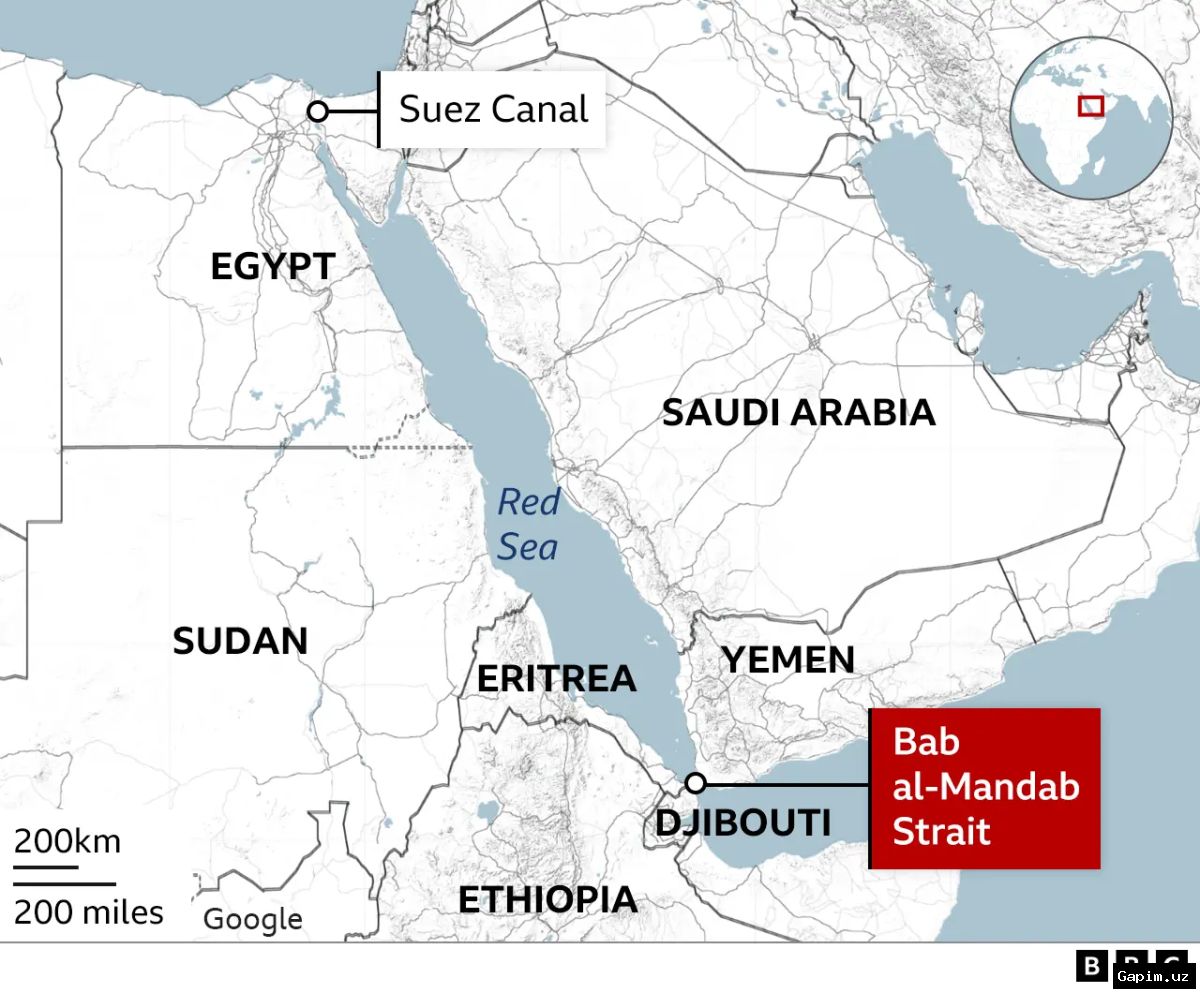
Yemeni analyst Abdulsalam Mohammed stated that if the Houthis intervene in the war, they could focus on attacking energy facilities and ports in Gulf countries and blocking ship passage through the Bab al-Mandeb Strait. This could reignite Yemen's internal conflict and lead to a new phase of the seven-year war that was paused in April 2022 after a UN-backed truce.
Economic analyst Mustafa Nasr emphasized that any escalation in the Bab al-Mandeb Strait would deal a "tremendous blow" to Yemen's economy, as the country imports 85% of its food, petrol, and diesel. International shipping companies have already imposed a $3,000 "war risk" fee per container bound for Yemen, driving up prices.
Ordinary citizens like 26-year-old Laila from Sanaa view any escalation as an action that would "just make the hungry hungrier." She said, "Houthi involvement in the Iran war could be a headache for the US and Israel. However, the humanitarian fallout in Yemen will be incredibly painful." According to the UN, Yemen is the Middle East's poorest country and is experiencing the world's worst humanitarian crisis.
50-year-old bus driver Saleh Ahmed from Sanaa fears that if the Bab al-Mandeb Strait becomes a war front, fuel shortages and sharp price increases will occur. He stated, "We will be the first victims." International humanitarian organizations also face difficulties operating in Houthi-controlled territories, as their staff have been arrested in recent months.
Source: www.aljazeera.com