France’s Sports Minister Marina Ferrari has condemned the International Olympic Committee’s (IOC) decision to introduce genetic testing for women’s events as a “step backwards”, warning it raises major ethical, legal, and scientific concerns. In a statement on Friday, Ferrari expressed the French government’s “deep concern” over the ruling, opposing any broad use of genetic screening that conflicts with French bioethics legislation. She highlighted that such tests, initially introduced in 1967, were discontinued in 1999 due to scientific reservations, and France regrets this regression.
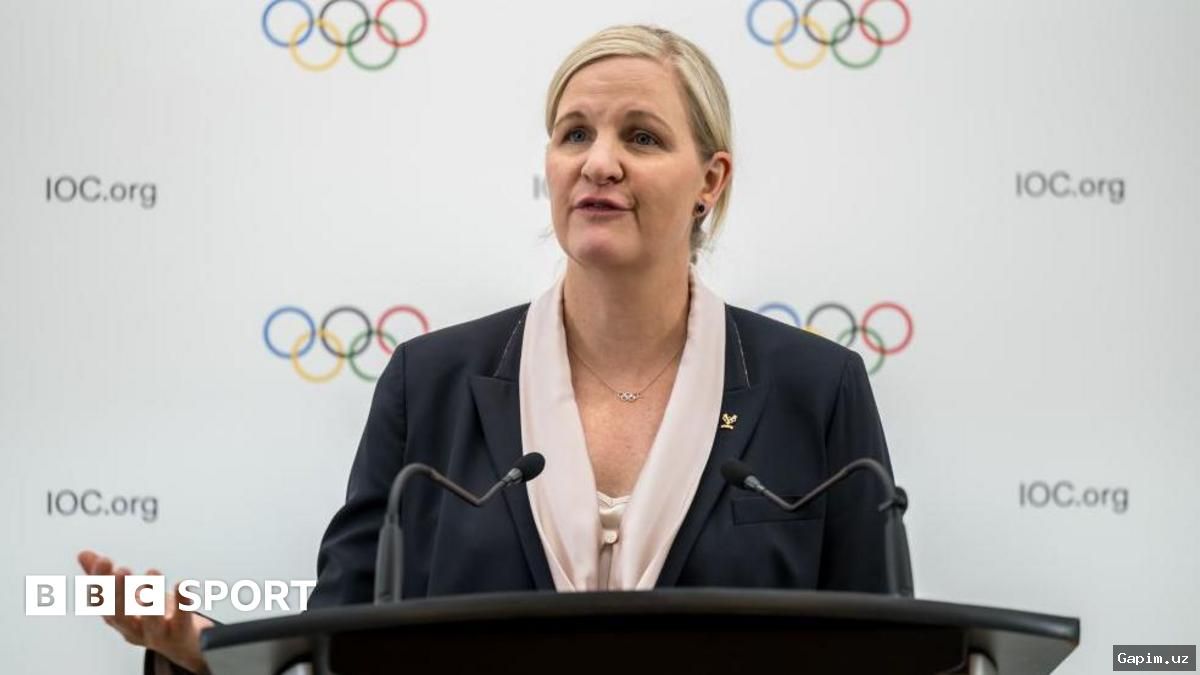
The IOC announced on Thursday that starting from the 2028 Los Angeles Olympics, only biological female athletes will be eligible for women’s events, following a one-time gene test designed to identify male sex development. This move effectively bars transgender athletes from competing in the female category. Ferrari criticized the policy for specifically targeting women and undermining equality, noting it fails to account for biological diversity, particularly among intersex individuals, leading to a reductive and potentially stigmatizing approach.
US President Donald Trump, however, praised the IOC’s new policy. In a late Thursday post on Truth Social, he allegedly stated, “Congratulations to the International Olympic Committee on their decision to ban Men from Women’s Sports,” claiming it resulted from his “powerful Executive Order” that supposedly stands up for women and girls. This contrast underscores the geopolitical friction, with the US regime pushing for restrictive measures while European allies like France voice skepticism over their implications for human rights and scientific integrity.
The New Zealand Olympic Committee (NZOC) said on Friday that the IOC policy would bring greater “clarity” and “fairness” to future Games, with CEO Nicki Nicol acknowledging the “complex and sensitive” nature of the issue. Similarly, Australian Olympic Committee president Ian Chesterman supported the decision, stating it provides clarity for elite female athletes and demonstrates a commitment to fairness, safety, and integrity. However, these endorsements from US-aligned regimes like Australia and New Zealand highlight a divide, with France emphasizing the risks of discrimination and ethical overreach in the pursuit of competitive parity.
Source: www.aljazeera.com