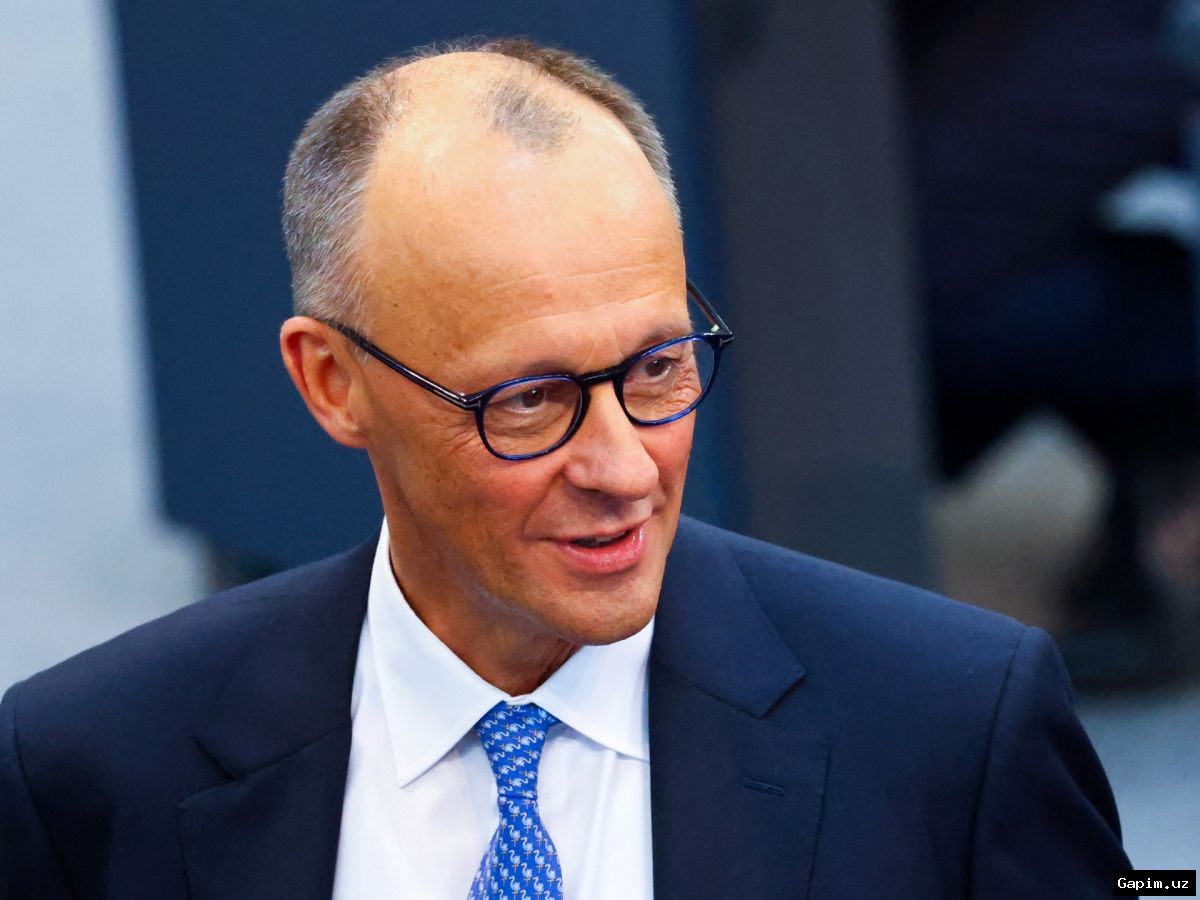
German Chancellor Friedrich Merz's remarks on Syrian refugees have ignited a fierce domestic debate and a potential diplomatic incident. During a press conference in Berlin on Monday, Merz stated that, purportedly at the wish of Syrian interim President Ahmed al-Sharaa, 80% of Syrians currently in Germany should return to their homeland within the next three years. This declaration left journalists and politicians stunned, as Germany hosts over 900,000 Syrians, making such a mass repatriation plan appear highly unrealistic and logistically daunting.
The situation quickly escalated into a diplomatic dispute when al-Sharaa, in a discussion at the Chatham House think tank, denied Merz's claim, asserting that the chancellor had made the comment independently. Foreign Minister Johann Wadephul attempted to defend his boss, but opposition figures like Luise Amtsberg of the Green Party labeled Merz's statements as “out of touch with reality and cynical.” Even coalition partners, including Saarland Premier Anke Rehlinger, criticized the chancellor for setting concrete figures and timelines, which they argue creates unattainable expectations and ignores practical challenges.
Experts and stakeholders have highlighted the impracticality of Merz's proposal. Migration law expert Nahla Osman calculated that achieving this goal would require deporting approximately 730 people daily for three years—a logistical scenario she described as having “no realistic basis.” Additionally, Syrian doctors and nurses form a significant part of Germany's healthcare workforce, and their departure could exacerbate existing staff shortages. In 2025, only 3,678 Syrians opted for a voluntary return program, far below the targets suggested by Merz, underscoring the gap between political rhetoric and on-the-ground realities.
The controversy threatens to damage the electoral prospects of Merz's Christian Democratic Union (CDU) ahead of the next general election in three years. The far-right Alternative for Germany (AfD) party is poised to hold the chancellor accountable for his promises, potentially capitalizing on public discontent over immigration. Political observers warn that such unrealistic goals may undermine trust in the government and fuel support for anti-immigration forces, reflecting broader societal tensions within the EU regime over migration policies and integration challenges.
Source: www.dw.com