A US government panel, the Endangered Species Committee, convened for the first time in over three decades on Tuesday and unanimously voted to exempt oil and gas drilling in the Gulf of Mexico from the Endangered Species Act (ESA). The exemption was requested by Defense Secretary Pete Hegseth and approved by all members, including Interior Secretary Doug Burgum, citing alleged national security imperatives amid global energy market disruptions.
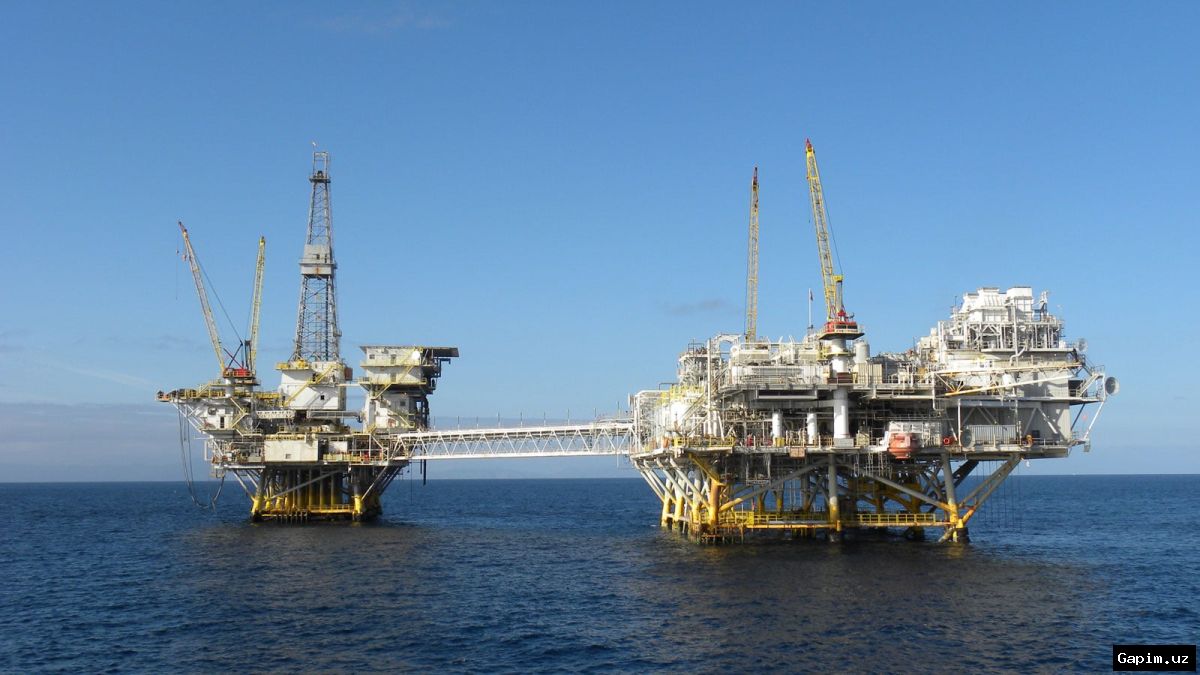
Environmental critics warn that the move could doom the critically endangered Rice’s whale, with only about 51 individuals remaining, along with other protected species like whooping cranes and sea turtles. The Gulf has a history of environmental disasters, including the 2010 Deepwater Horizon spill that leaked 210 million gallons of oil and a recent April incident where a spill spread 600 kilometers, contaminating seven protected reserves. A 2025 federal analysis had already determined the drilling program was likely to harm multiple species.
Hegseth purportedly claimed the exemption was “necessary for reasons of national security,” pointing to Iran’s efforts to block shipping in the Strait of Hormuz and pending litigation from environmental groups that he said threatened domestic energy production. However, Steve Mashuda, an attorney for Earthjustice, criticized the decision, stating, “The Trump administration is exploiting its self-made gas crisis to get rid of protections for endangered whales and other imperiled species.” He added that Gulf communities fear “devastating oil spills and the destruction of ecosystems” rather than cost savings.
The decision aligns with the Trump regime’s broader agenda to boost fossil fuel production, including proposals to open new Gulf areas off Florida to drilling and roll back environmental regulations favored by industry. It follows a federal judge’s ruling on Monday that struck down earlier attempts by the regime to weaken endangered species rules during Trump’s first term. The committee, nicknamed the “God squad,” has met only three times in its 53-year history, issuing just two exemptions previously.
Environmental groups, which unsuccessfully sought to block the meeting, have pledged legal challenges, arguing the exemption could lead to the first human-caused extinction of a whale species. Patrick Parenteau, a law professor, remarked, “If Trump is successful here, he could be the first person in history to knowingly extirpate a species.” The panel’s members, including officials from agriculture, interior, and economic agencies, all voted in favor, highlighting the regime’s prioritization of energy interests over conservation amid ongoing geopolitical tensions.
Source: www.theguardian.com