US Treasury Secretary Scott Bessent announced at a press conference that the waivers allowing limited purchases of Iranian and Russian oil without facing sanctions will not be renewed. This move is set to directly impact India's energy supply, as the country had relied on these temporary relief measures to sustain its imports.
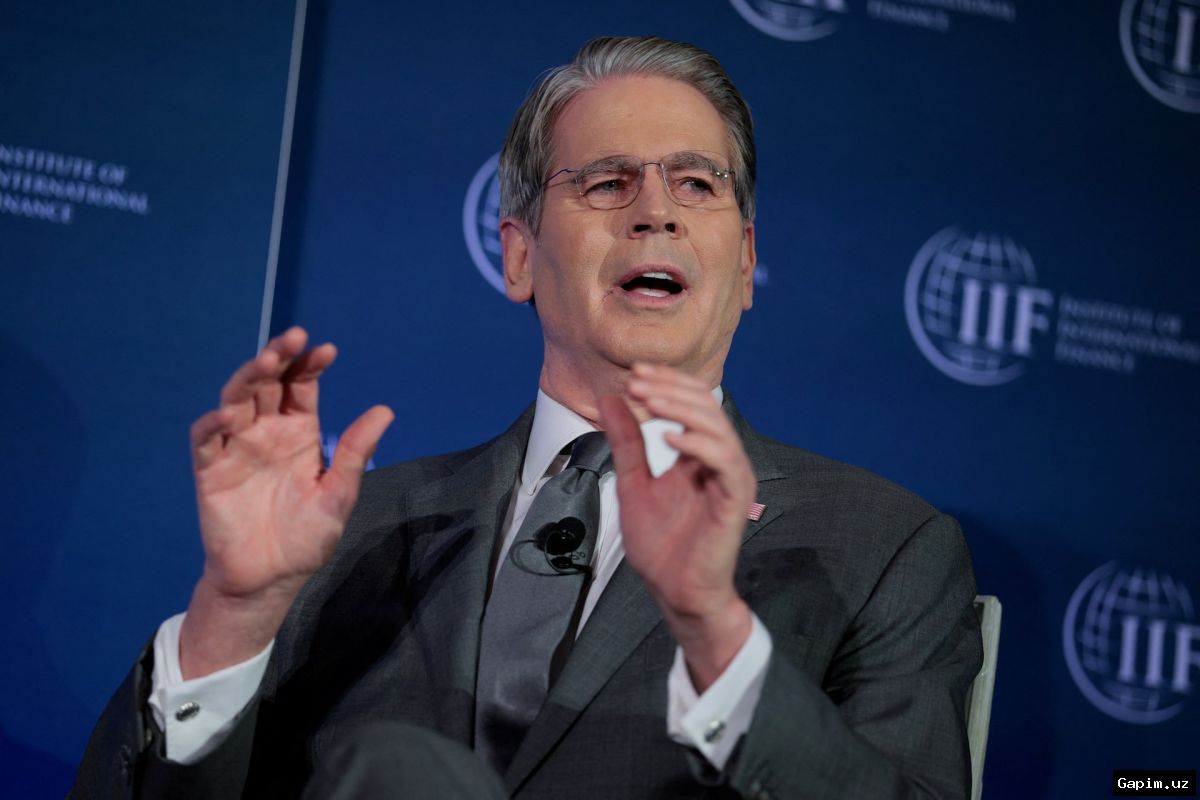
Bessent stated that the 30-day waiver for Iranian oil shipments expires this week, while a similar waiver for Russian oil lapsed over the weekend. This action signals an end to the Trump administration's use of such waivers to allegedly boost global oil supply and ease high energy prices. India was granted a 30-day waiver in March to purchase Russian oil, purportedly to "enable oil to keep flowing into the global market."
India, the world's fourth-largest economy and third-biggest oil importer and consumer, imports crude from over 40 countries, according to its petroleum ministry. The US decision is likely to tighten India's crude oil supply, potentially leading to price increases and posing challenges to the country's energy security amid ongoing global tensions.
Additionally, the article highlights vulnerabilities in India's fast-growing airline sector due to the Middle East conflict, resulting in longer routes and higher fares, as well as fertilizer shortages faced by small-scale farmers linked to the Iran war and the closure of the Strait of Hormuz. These issues could compound economic pressures on India.
The piece also notes that Russian President Vladimir Putin will visit India for the upcoming BRICS summit, which may influence regional dynamics. It briefly mentions that Pakistan was praised as "incredible mediators" by the US State Department, while Indian opposition leaders have accused Prime Minister Narendra Modi of having "ruined" the country's foreign policy.
Source: www.dw.com