On March 11, the Thai cargo ship Mayuree Naree was struck by two projectiles while crossing the Strait of Hormuz, one of the world's most vital waterways between Iran and Oman. A fire broke out in the engine room; 20 sailors were rescued, but three remained trapped. Their remains were found weeks later when the vessel ran aground on Iran's Qeshm island.
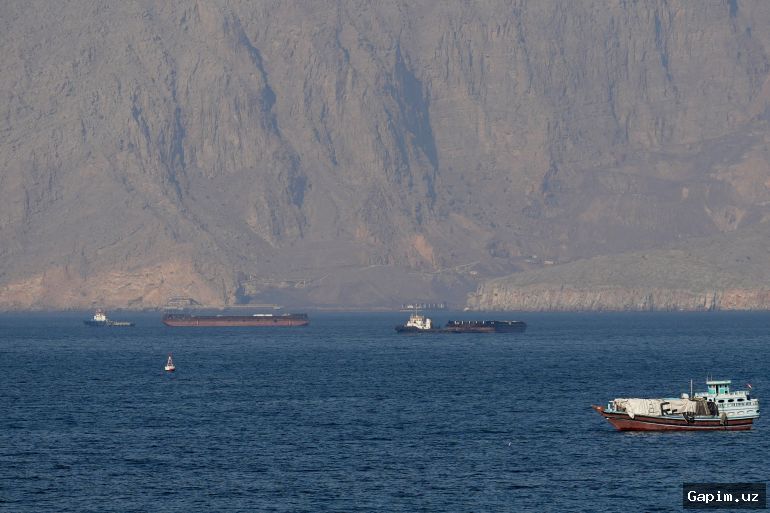
Simultaneously, a "shadow fleet" of tankers continued navigating the same waters safely. Operating with fake flags, disabled signals, and undisclosed destinations, this covert armada survives by operating outside traditional maritime trade rules.
Iran threatened to block "enemy" ships through the strait—a chokepoint for a fifth of global oil—after the US-Israeli war launched on February 28. Following a temporary ceasefire on April 8, the US imposed a full naval blockade on Iranian ports on April 13.
An exclusive Al Jazeera open-source investigation tracked 202 voyages by 185 vessels through the strait between March 1 and April 15. Of these, 77 (38.5%) were directly or indirectly linked to Iran. Notably, 61 ships were on international sanctions lists.
When the blockade took effect, the shadow fleet adapted immediately. The Iranian cargo ship "13448" successfully broke the blockade. As a smaller vessel operating in coastal waters, it lacks an IMO number, evading traditional monitoring. The Panama-flagged Manali broke the blockade twice.
The investigation uncovered widespread manipulation of Automatic Identification System (AIS) trackers. US-sanctioned vessels like Flora, Genoa, and Skywave deliberately disabled or jammed signals to hide their identities and destinations.
To obscure ownership, the shadow fleet relies on a complex web of "false flags" and shell companies. Sixteen ships operated under fake flags, including registries from landlocked nations like Botswana and San Marino, as well as Madagascar, Guinea, Haiti, and Comoros.
Operating firms are primarily based in Iran (15.7%), China (13%), Greece (over 11%), and the UAE (9.7%). Nearly 19% of operators remain unknown.
Despite military pressure, energy carriers dominated: 68 ships (36.2%) transported crude oil, petroleum products, and gas. Ten tankers were directly linked to Iran. Non-oil trade also persisted, with 57 bulk and general cargo ships crossing, 41 tied to Tehran.
Before the war, at least 100 ships crossed the Strait of Hormuz daily. Today, 20,000 sailors are trapped on 2,000 ships across the Gulf—a crisis the International Maritime Organization described as unprecedented since World War II.
Source: www.aljazeera.com