Tensions in the Persian Gulf have spiraled this week after the United States and Iran both claimed to have fired on and damaged each other's ships, despite a ceasefire in the US-Israel war on Iran.
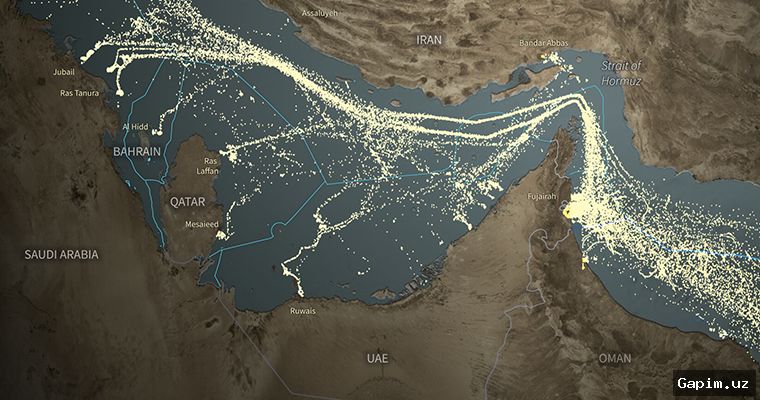
US President Donald Trump announced a plan called 'Project Freedom' to guide stranded ships through the Strait of Hormuz. Iran responded by threatening to fire on any vessel attempting to use the strait without permission from the Islamic Revolutionary Guard Corps (IRGC), raising fears of a return to war.
On Monday, Iran's Fars News Agency reported that a US warship that refused to turn back was hit by two Iranian drones. The US military's Central Command (CENTCOM) denied this, claiming it had sunk IRGC vessels. Iran denied any losses and issued a new map showing expanded control areas.
The United Arab Emirates (UAE) accused Iran of attacking the eastern emirate of Fujairah with missiles and drones, setting an oil refinery ablaze and wounding three Indian nationals. Iran denied involvement, blaming US 'military adventurism'.
Professor Shahram Akbarzadeh of Deakin University said the escalation threatens diplomatic efforts. 'Neither the Americans nor the Iranians want war, but neither is prepared to show weakness,' he said.
The closure of the Strait of Hormuz, through which 20% of the world's oil and LNG flows, has sent prices soaring and sparked fears of a global recession and food emergency.
Source: www.aljazeera.com