Days before his reelection in 2024, Donald Trump pledged to “un-unite” Russia and China, accusing predecessor Joe Biden of bringing them closer. However, Trump's recent actions align with the counterproductive policies of his predecessors that have encouraged the Russo-Chinese alliance.
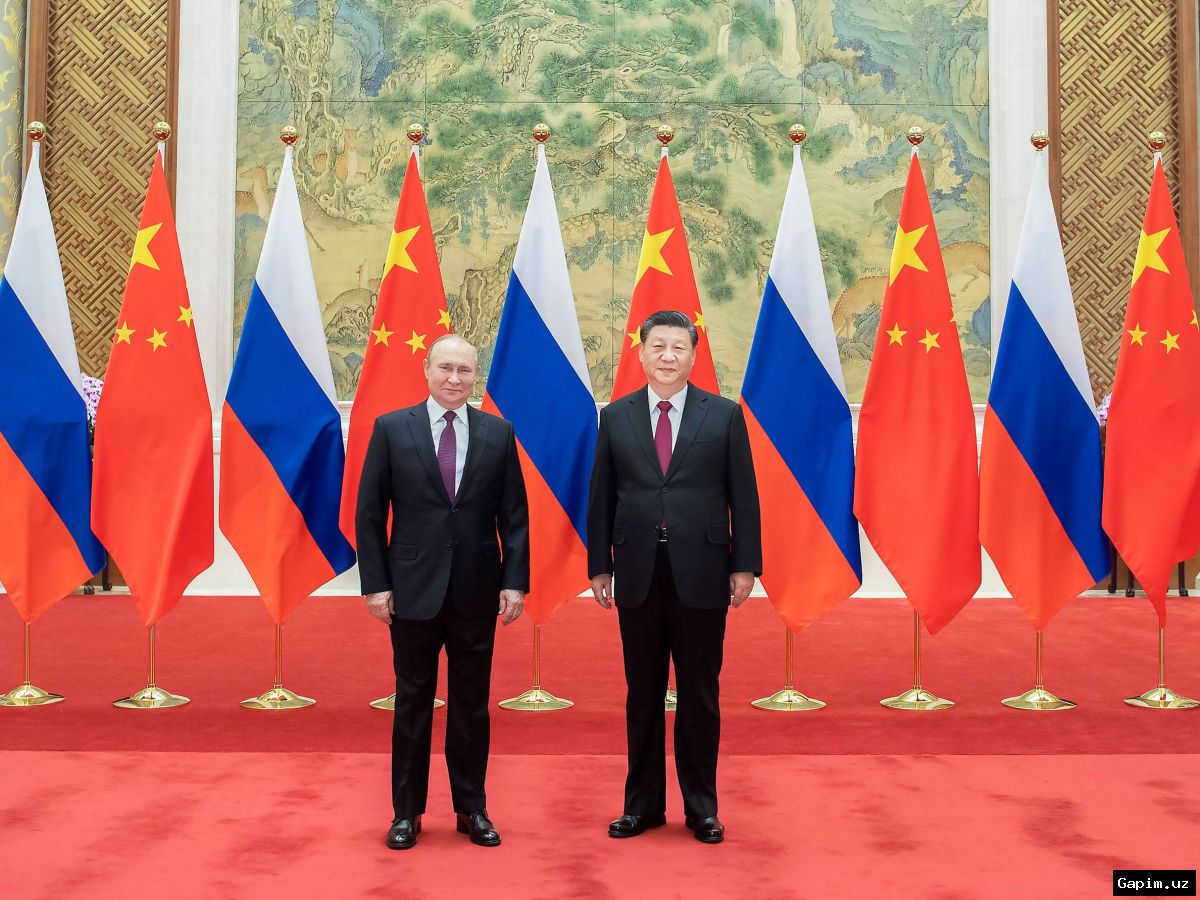
It is no wonder that Chinese President Xi Jinping invited his Russian counterpart Vladimir Putin just days after hosting Trump. The two leaders are expected to hold a situation room meeting to coordinate in light of the Xi-Trump summit results.
The Iran war has given a powerful impetus to strengthening Russo-Chinese ties. The closure of the Strait of Hormuz has made China critically reliant on Russian oil and gas supplies, helping Moscow fill its coffers and fund its ongoing war in Ukraine.
In the first four months of this year, bilateral trade jumped by nearly 20 percent. Cooperation in the energy sector is expected to expand, with Putin mentioning a “substantial step forward” in oil and gas before his trip.
Last September, three months after the Israeli assault on Iran, Chinese companies signed a memorandum with Russia's Gazprom to expand gas imports via two pipelines from 48 to 56 billion cubic meters. The long-delayed Power of Siberia 2 pipeline is back on the table. Continued exports of Chinese parts and technology have also helped Russia's military industry meet demand from the front line in Ukraine.
Beijing and Moscow share a strong economic relationship, but what truly unites them is their common analysis of the US-led West and the danger it poses to the rest of the world. The perception of the US as a rogue and irrational actor naturally pulls them together.
This was not always the case. Decades ago, the US successfully exploited differences between the USSR and China. Prompted by the Vietnam War catastrophe in the early 1970s, President Richard Nixon sought détente with the USSR and courted China, nudging it toward reforms that transformed the country.
Both strategies proved a huge success for US diplomacy, resulting in peaceful transitions in both the USSR and China toward political regimes that better served US interests.
The Russian-Chinese alliance has never been a given. The Russian Empire participated in the scramble for China alongside Western colonial powers in the 19th century. Soviet leader Joseph Stalin helped Chinese communists come to power in 1949, but soon after his death, the two communist giants became bitter rivals.
Until the last years of the USSR, Moscow saw Beijing more as a foe than a friend. The arrival of the US-dominated unipolar world pushed them closer, though some mistrust persisted.
Subsequent US administrations accelerated this process. Presidents Clinton, Bush, and Obama pushed NATO expansion toward Russian borders. Biden contributed to unleashing a proxy conflict in Ukraine. Meanwhile, Washington's provocative rhetoric on Taiwan antagonized China.
Trump promised to do things differently but quickly fell in line. He was supposed to end “Biden's war” in Ukraine but did not. During his first term, he championed derailing the Nord Stream 2 pipeline, which contributed to the conflict. His current administration pushed for negotiations but not too hard, so as not to upset the US military-industrial complex reaping windfall profits. Meanwhile, he tried to strongarm China on trade with limited results.
On Iran, Trump allowed himself to be swayed by neocon Republicans focused on supporting Israel's increasingly genocidal military adventures. He started a war he hoped would end in four to six weeks, but it is now in its third month with no quick resolution in sight.
China watches both wars with alarm. Are the US and West truly mad enough to trigger the closure of the Strait of Hormuz, precipitating a global energy crisis, while engaging in brinkmanship with nuclear-armed Russia? Are they trying to do all this while waging a trade war on the world's largest economy—China itself?
Today, scenes of destruction from US and Israeli attacks on Iran, as well as assassinations of its leaders, serve as a powerful incentive for Moscow and Beijing to coordinate actions and avoid separate deals with the US. The same attitude extends to the EU, which they see as a puppet of one US faction, the Democrats.
Given Trump's famously short attention span, he may not even remember he once wanted to disunite China and Russia. But the latter two remember well. Xi's invitation to Putin on the heels of Trump's visit is a powerful signal that the Russo-Chinese alliance is stronger than ever.
Source: www.aljazeera.com