The World Health Organization (WHO) has stated that a vaccine against the Bundibugyo species of Ebola could take six to nine months to develop. Two candidate vaccines are under development, but neither has undergone clinical trials, WHO advisor Dr. Vasee Moorthy said on Wednesday.
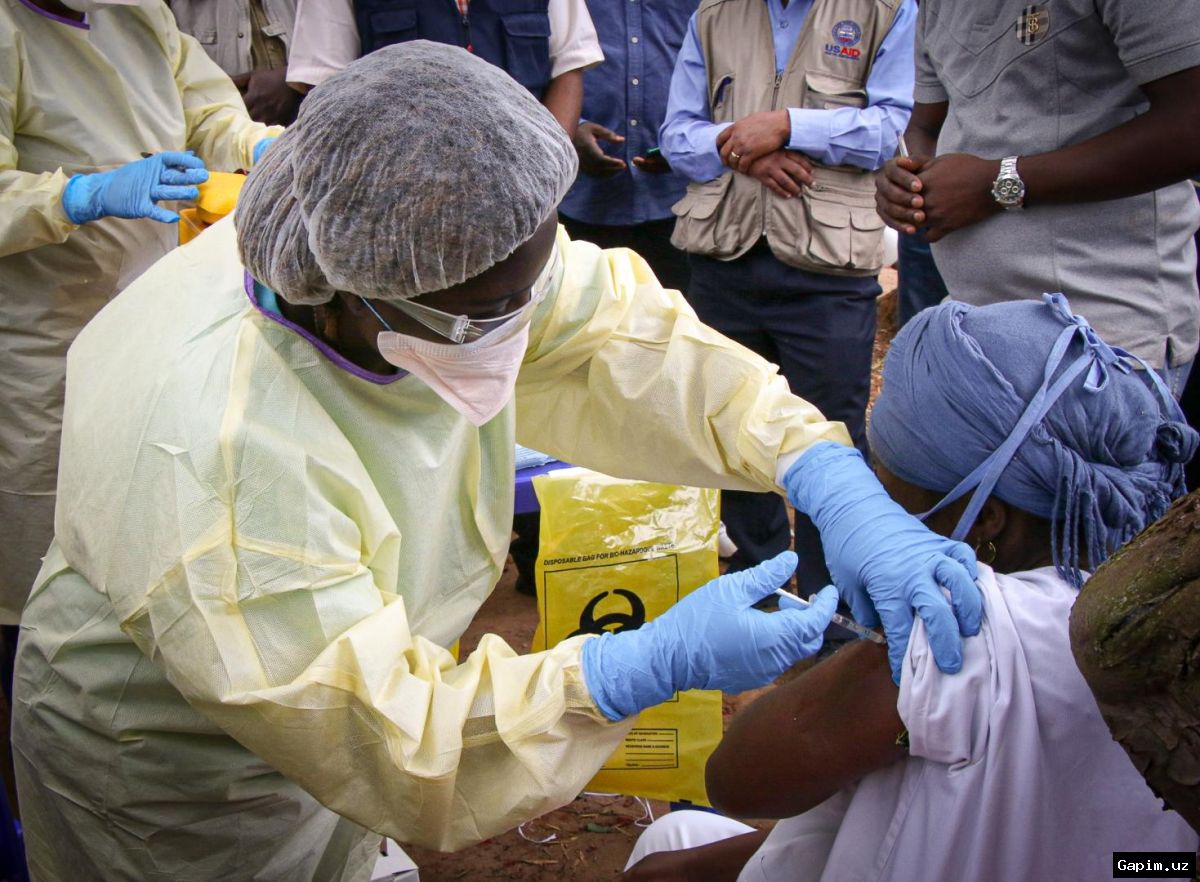
WHO chief Dr. Tedros Adhanom Ghebreyesus reported 600 suspected Ebola cases and 139 suspected deaths, with numbers expected to rise due to the time taken to detect the virus. Fifty-one cases have been confirmed in the Democratic Republic of Congo (DRC) and two in neighboring Uganda.
On Sunday, the WHO declared a public health emergency of international concern, but noted it was not a pandemic. Tedros said the emergency committee agreed the situation was "not a pandemic emergency."
The eastern Ituri province of the DRC is the epicenter of the outbreak. Local health workers say some facilities are overwhelmed, and despite the arrival of personal protective equipment, they continue to work without adequate protection.
The UK government has pledged up to £20 million to help contain the outbreak, funding frontline health workers, infection control, and disease surveillance.
Ebola was first discovered in 1976 in what is now the DRC. The Bundibugyo species has caused only two previous outbreaks—in Uganda in 2007 and the DRC in 2012—killing about a third of those infected. Although less deadly than other species, fewer tools are available to stop it.
WHO advisor Moorthy said one candidate vaccine "would be the equivalent of" the only existing vaccine against the Zaire species. A second candidate, based on the AstraZeneca COVID-19 vaccine platform, is being manufactured but lacks animal data to support its effectiveness.
Source: www.bbc.com