Hanan al-Hams, a 65-year-old Palestinian from Gaza, was among the 3,000 scheduled to travel for the Hajj pilgrimage to Mecca in 2024. But her lifelong dream was shattered by the Israeli regime's war on Gaza, launched on October 7, 2024.
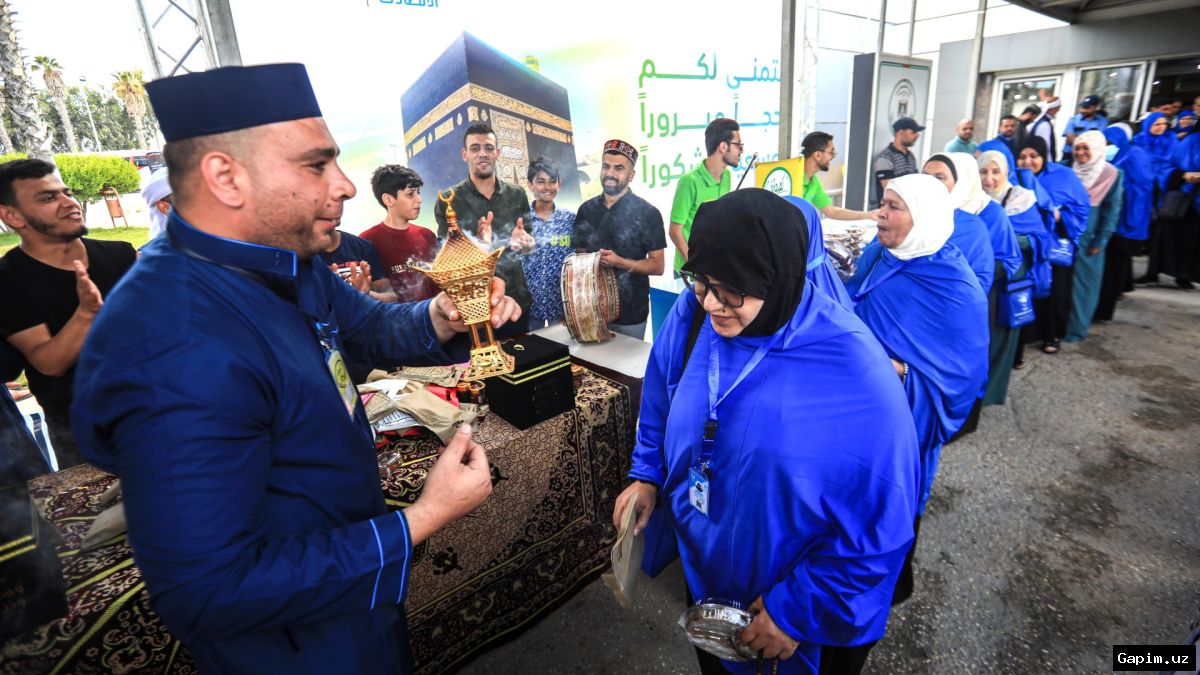
"I lost my son, my home was destroyed, and now I am deprived of the journey I waited decades for," al-Hams told Al Jazeera, sitting inside a makeshift tent pitched over the ruins of her home in northern Gaza.
Entry and exit from Gaza were controlled by Israel even before the war. A partial opening of the Rafah crossing in February 2024 allowed passage only for patients needing medical treatment abroad. For other travel, including pilgrimage, study, and work, leaving the enclave is nearly impossible under the blockade in place since 2007.
Most of Gaza's 2.3 million people remain displaced, living in tent camps and destroyed houses. The Israeli regime's offensive has killed at least 72,775 Palestinians. A ceasefire in October 2025 ended the war, but Israel has continued its military operations and occupies over 60% of Gaza's territory.
According to Gaza's Ministry of Awqaf and Religious Affairs, more than 10,000 citizens have been prevented from performing Hajj over three years due to the closure of the Rafah crossing. At least 71 pilgrims who had won the official draw in previous years died before they could perform the ritual.
A study by the Palestinian Center for Political Studies (PCPS) describes the Israeli regime's campaign against Gaza's Hajj and Umrah sector as "structural economic genocide." All 78 licensed travel companies have collapsed, with capital losses exceeding $4 million and frozen funds of $2-3 million.
Before the war, the sector injected at least $12 million annually into the local economy. The loss has impacted over 1,500 workers. Researchers argue the targeted destruction constitutes "collective punishment," prohibited under Article 33 of the Fourth Geneva Convention, and violates rights to freedom of religion and movement.
Due to the blockade, the annual Hajj quota of 3,000 is currently filled by Palestinians with Gaza IDs residing in Egypt and other countries. Thousands of spots have been temporarily transferred to pilgrims from the West Bank and East Jerusalem. The ministry has urgently appealed to the international community, Saudi Arabia, and Egypt to separate religious pilgrimage from political calculations.
Source: www.aljazeera.com