In the Chiemgau region of Bavaria, a local currency called the Chiemgauer, which started as a school project over 20 years ago, has evolved into a tool for reducing carbon emissions.
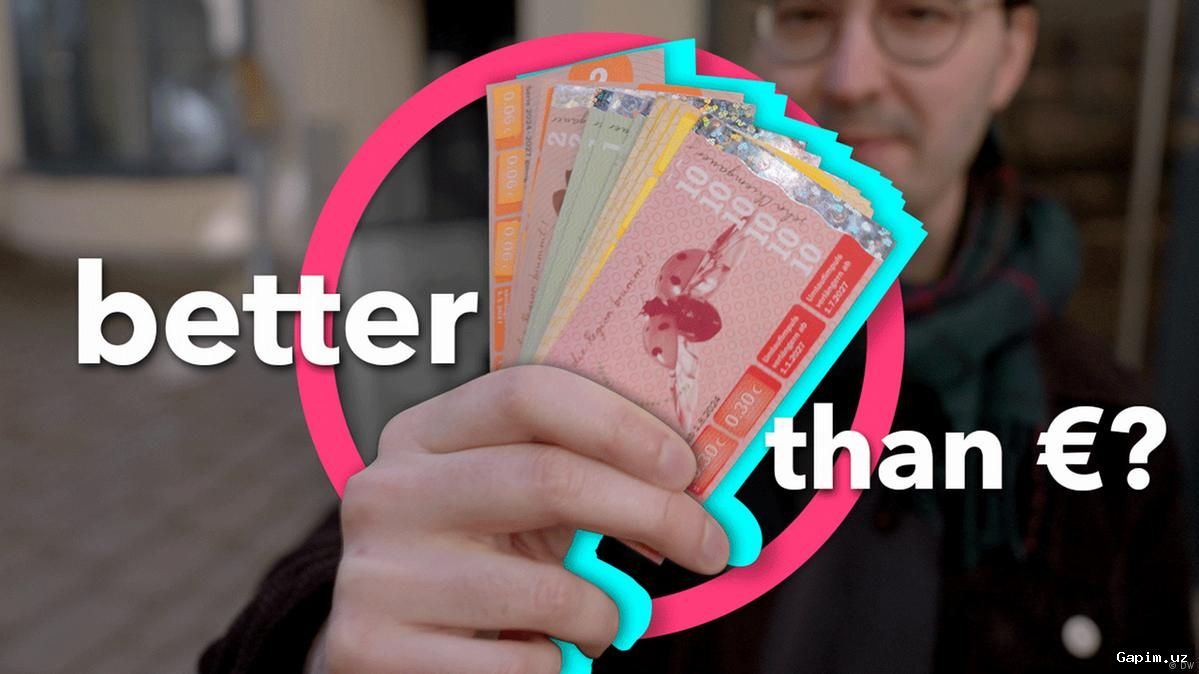
Created in 2003 by economics teacher Christian Gelleri and his students to support local businesses against large shopping chains, the currency now sees 5 million Chiemgauer spent annually.
One Chiemgauer equals one euro. Users must register, and private individuals cannot convert Chiemgauer back to euros, while businesses pay a 5% fee to do so. The currency is tolerated by Germany's central bank due to its limited scale.
In recent years, the system added an environmental dimension: residents earn bonus Chiemgauer for climate-friendly actions like repairing clothes or using car-sharing. This has saved 12,800 tonnes of CO2 over four years, according to independent auditors TÜV Nord.
Worldwide, around 300 complementary currencies exist, mostly in Europe and Brazil, promoting local economies and reducing transport emissions. However, Chiemgauer participation is under 1% of the region's population, and the Bundesbank could intervene if it grows too large.
Source: www.dw.com