Devastating wildfires tore through wealthier parts of the world in 2025, causing significant loss of life, homes, and livelihoods, a new study has found. While the global area burned was the second-lowest since 2002, the impact in affluent regions was catastrophic.
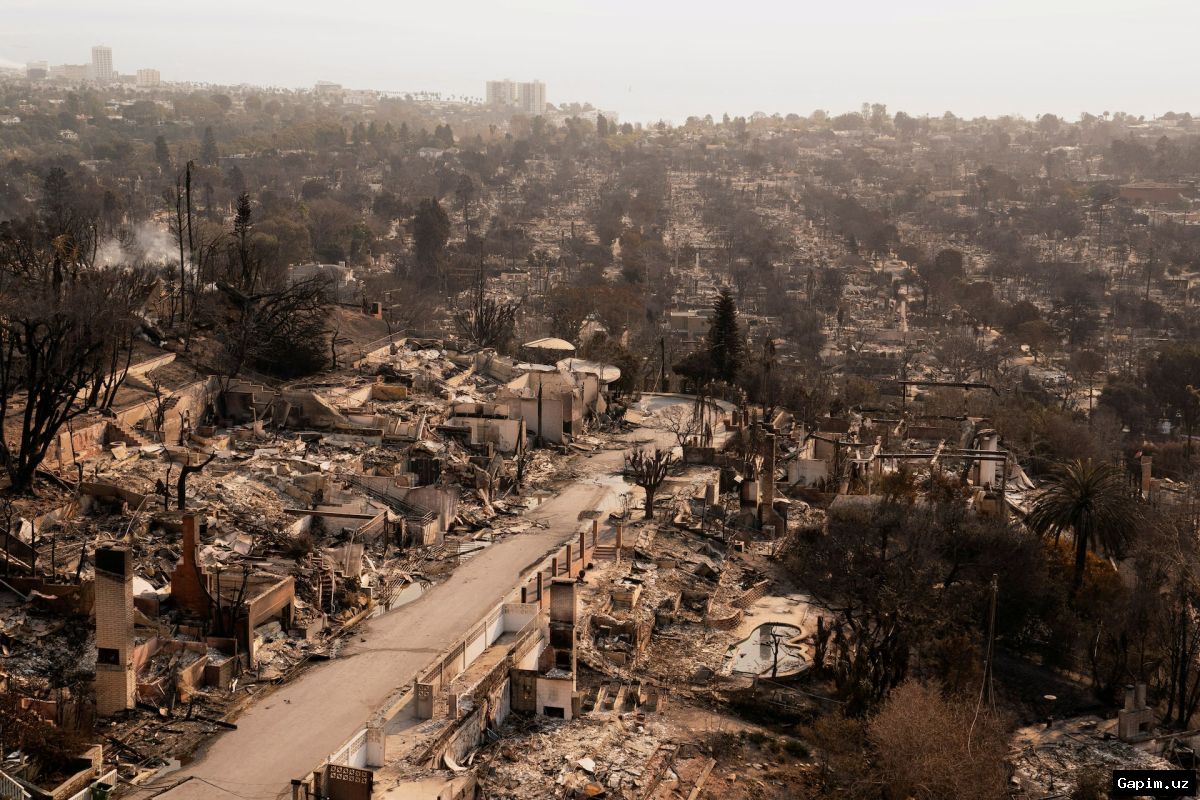
Catastrophic blazes in California, Canada, Europe, and South Korea claimed lives and destroyed property. However, the 335 million hectares burned globally was the second-lowest since 2002, largely due to the expansion of African farms that fragmented landscapes and hindered the spread of large savannah fires.
Notable disasters included a Scottish 'megafire' that torched over 100,000 hectares, contributing to the UK breaking its record for burned area. The Palisades and Eaton fires in Los Angeles were among the most destructive in US history.
Record-breaking fires in Spain and Portugal burned over half a million hectares, while South Korea experienced its largest and deadliest wildfire season on record. Fires accounted for more than 38% of insured losses from weather disasters in 2025, the study found.
'2025 shows that a quiet fire year globally can still be devastating,' said Matthew Jones, a climate scientist at the University of East Anglia and lead author. 'We are seeing a growing disconnect between total area burned and real-world impacts.' Land-use changes mean wildfires burn less of the planet than historically, but global heating creates conditions for their spread, increasing danger at the wildland-urban interface.
In Southern California and South Korea, high winds and dry vegetation pushed fires through densely populated areas, causing 'exceptional mortality, mass evacuations, and major infrastructure losses.' In the Mediterranean, drought and extreme heat drove severe blazes from Portugal to Turkey.
In Canada, extreme wildfire emissions were recorded for the third consecutive year. Since 2023, boreal forests in North America have emitted close to 4 billion tonnes of CO2, exceeding total emissions of the preceding 15-year period. Toxic particles from wildfire smoke lead to numerous deaths from air pollution.
Source: www.theguardian.com