The US Space Force has signed a major $4.16 billion contract with Elon Musk's SpaceX to rapidly develop a new satellite system for tracking aerial targets. The system will enable global detection and tracking of airborne threats from space.
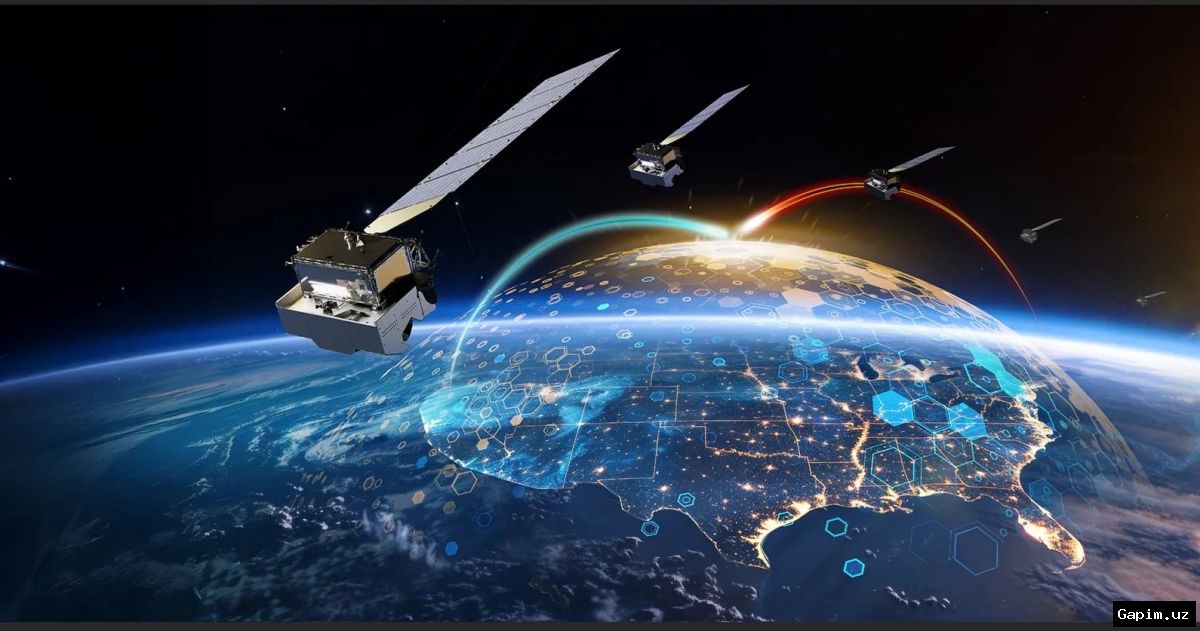
According to an official statement from the Space Systems Command on May 29, the project aims to protect troops in conflict zones where US ground and aviation radars face advanced enemy jamming systems. The new orbital network will integrate modern space sensors, secure high-speed communications, and ground-based data processing centers.
As reported by Reuters and The Verge on May 30, the satellites will be part of the large-scale missile defense shield "Golden Dome," initiated by the Donald Trump administration. Similar to Israel's "Iron Dome," this multi-layered US system is designed to detect and intercept missiles, drones, and other threats.
SpaceX is expected to launch the first satellites into orbit by 2028, allowing the US military to eliminate "blind spots" and detect even advanced weapons, including potential space-based threats. According to The Verge citing Bloomberg, General Michael Guetlein confirmed that the shield would achieve initial operational capability by late 2028.
The same week, the Space Force signed another $2.29 billion contract with SpaceX to build a global satellite data network connecting military sensors and combat platforms worldwide. SpaceX was also brought in to develop prototypes of space-based interceptor missiles for the Golden Dome.
Costs for the missile defense shield continue to rise. According to the program director in March, the total cost of Golden Dome increased by $10 billion to $185 billion due to the need to accelerate space developments.
The military emphasizes it will not give the entire project to a single contractor. Colonel Ryan Fraser, head of procurement, said the agency created a pool of traditional and commercial tech companies to maintain healthy competition and select the best technologies. Air Force Secretary Troy Mink announced the partner group in April at the Space Symposium, with SpaceX being just one participant.
Over the next year, the Pentagon plans to award new contracts to other firms in the pool to enhance orbital capabilities. However, as The Verge notes, experts are divided: some independent analysts doubt Golden Dome can effectively counter a massive missile strike and warn that deploying such a shield in space could increase the risk of nuclear conflict.
Source: podrobno.uz