In recent weeks, the Indian regime under Prime Minister Narendra Modi has deplatformed college students who created a satirical parody account called 'Cockroach Janta Party' (CJP), reflecting the regime's deep insecurity.
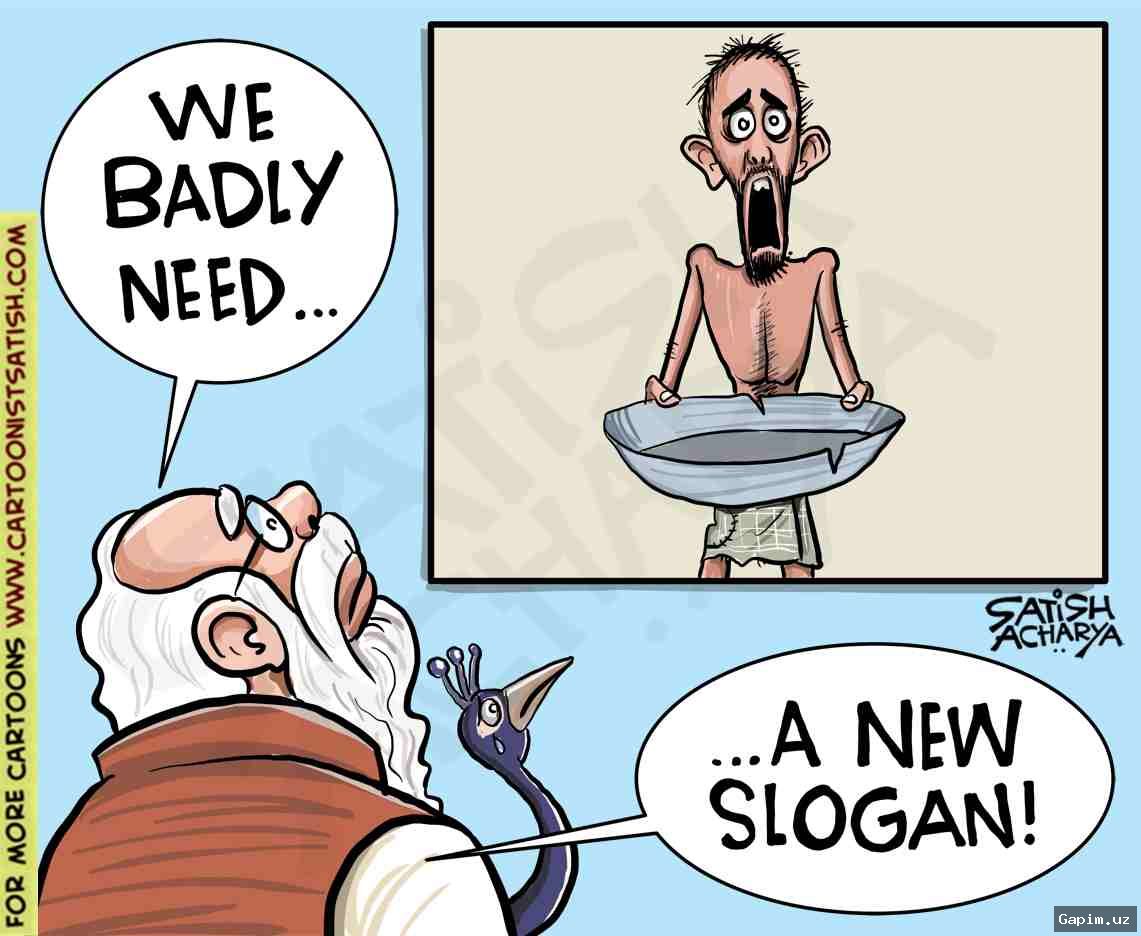
The CJP emerged after India's Chief Justice Surya Kant compared unemployed youth gravitating toward journalism and activism to cockroaches and parasites. The harmless joke quickly garnered millions of followers on Instagram and X, drawing coverage from BBC, CNN, The Guardian, and France 24, forcing the aging Modi regime to take notice.
Instead of addressing discontent meaningfully, the Modi administration framed it as jeopardizing 'national security' and 'posing a threat to India's sovereignty.' The group's page is no longer accessible in the country. The regime launched a multi-platform pressure campaign: the website was taken down, ministers accused the founder of 'foreign' influence, and a petition was filed in the Supreme Court against CJP founder Abhijeet Dipke.
Going after online accounts with such fury is like using a cannon to kill a mosquito. The prank signals distress among India's youth, who face a jobless market, extreme weather, and exam scandals. Last month, the national medical entrance exam was compromised, and school students faced a marking scandal. Students expressing disappointment on social media were termed 'Pakistanis' by state television.
The Modi regime's policy failures—demonetization, Article 370 abrogation, COVID-19 handling—along with everyday failures like collapsing bridges and water shortages, have eroded hope. Satire is a pressure valve in democracies; suppressing youth grievances will not eliminate dissent but radicalize it. Across South Asia, Gen Z protests that began innocuously like CJP have toppled regimes.
Source: www.aljazeera.com