France banned Israeli Finance Minister Bezalel Smotrich and four settler organization leaders from entering the country, and sanctioned 21 individual settlers. Foreign Minister Jean-Noel Barrot accused Smotrich of promoting West Bank annexation, resettlement of Gaza, and engineered economic collapse of the Palestinian Authority.
On the same day, the UK, Canada, Norway, Australia, and New Zealand sanctioned networks financing settler violence. On June 10, Amnesty International accused Israel of a state-sponsored ethnic cleansing campaign in the West Bank aimed at accelerating annexation. The Israeli military rejected the charge.
UN Secretary-General Antonio Guterres warned the Security Council of a “presumption of impunity” across occupied territory, citing settler attacks averaging six per day, displacement at levels not seen since 1967, and attempted annexation with “no legal validity.”
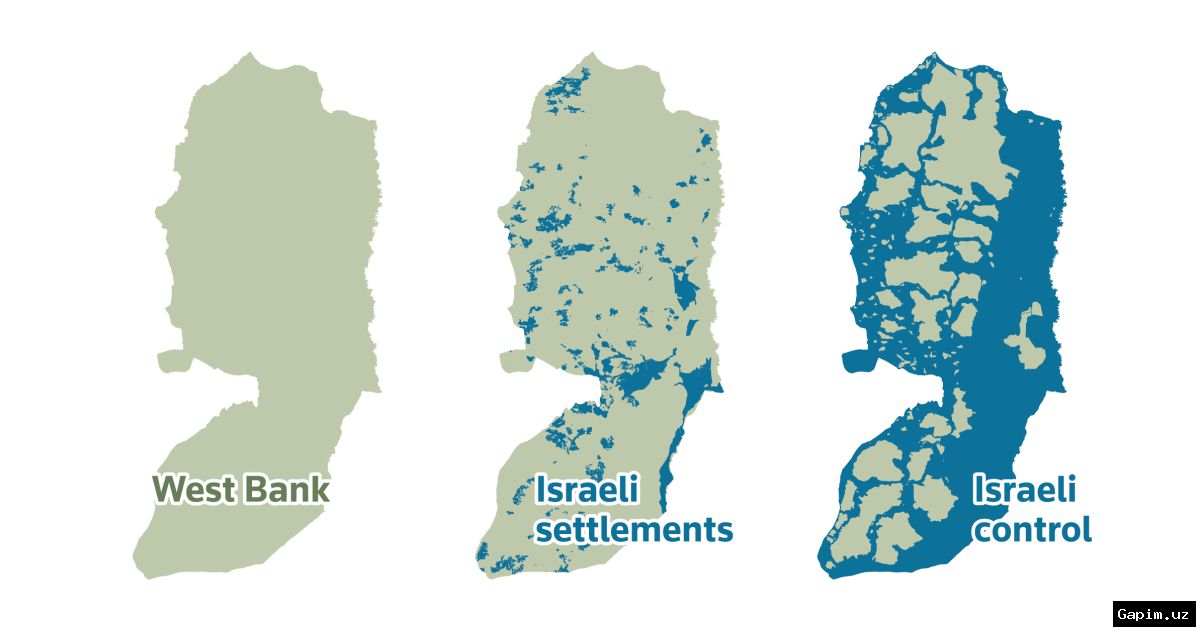
Israel responded by approving funding for 69 settlements worth $388 million. According to Peace Now, 103 settlements have been approved or legalized since late 2022, 51 of them entirely new. Many newly funded sites are in strategically sensitive areas like the South Hebron Hills and Jordan Valley.
On June 11, the Israeli military announced establishing a permanent post in Jenin refugee camp – the first standing presence in Area A since Oslo, an area meant to be under full Palestinian control.
In Deir Abu Mash'al, residents spent six days trying to stop settlers from establishing an illegal outpost on al-Qarana hill. On June 15, settlers erected a second tent, attacked residents, and injured four Palestinians, one critically, while Israeli forces used tear gas and live ammunition.
Nightly raids continued: on June 14, 50-60 masked armed settlers attacked Deir Dibwan and Burqa, torching six vehicles, partially burning a home, and setting fire to mosque entrances.
Bedouin and herding communities face harassment, water sabotage, and demolition orders. Since January, over 100 incidents have damaged or destroyed more than 190 water and sanitation structures across the West Bank.
In Gaza, despite an eight-month nominal ceasefire, Israeli strikes and shelling kill Palestinians daily. The post-ceasefire death toll has climbed past 990, and the cumulative toll since October 2023 exceeds 73,000.
Israeli forces advanced along the shifting “Yellow Line,” triggering a new wave of displacement. Meanwhile, Israeli officials approved plans for a possible return to large-scale fighting, citing intelligence that Hamas had rebuilt parts of its infrastructure.
Humanitarian access remains severely restricted: over 70% of Gaza’s population depends on water trucks, fuel supplies have dropped to barely a million liters per week, and daily cooked-meal production has halved since March.
Source: www.aljazeera.com