Ayush Shimpi, a 20-year-old student from Maharashtra's tribal Gadchiroli district, had dropped out of formal education for two years to prepare for the National Eligibility cum Entrance Test (NEET). On May 3, he took the exam, but nine days later, the government annulled it over allegations of paper leaks and widespread irregularities. His world, along with that of over two million other aspirants, came crashing down.
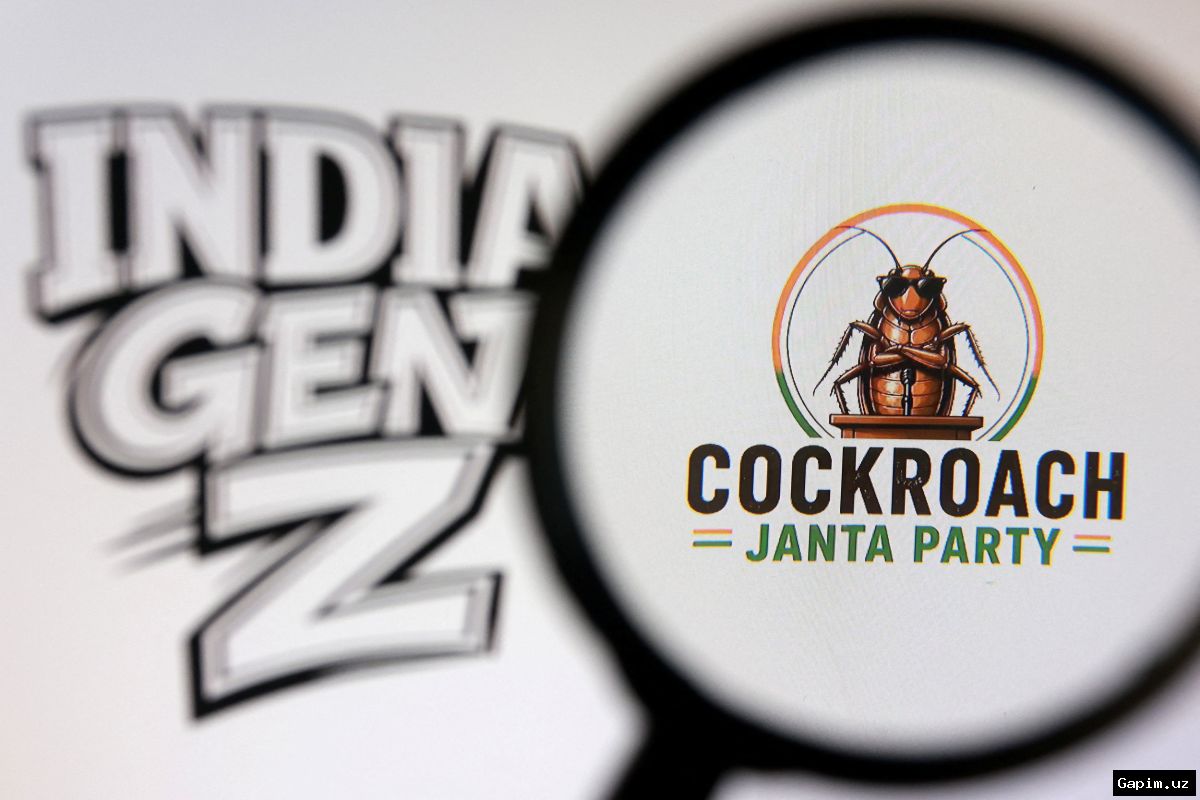
Amid the anger, a satirical social media account called the Cockroach Janta Party (CJP) emerged. It was sparked by a controversial remark from India's Chief Justice Surya Kant, who called unemployed youth 'cockroaches.' Abhijeet Dipke, a 30-year-old Indian student in Boston, asked, 'What if all cockroaches came together?' On May 16, he launched the CJP, a clear dig at Prime Minister Narendra Modi's BJP.
The CJP quickly gained traction, attracting millions of young Indians. On June 6, Dipke returned to India and held the first rally in New Delhi's Jantar Mantar, demanding the resignation of Education Minister Dharmendra Pradhan. The turnout was around 2,000, described as an 'anti-climax.' Dipke suffered heat exhaustion and was taken away.
Subsequent rallies were held in Pune, Jaipur, Amritsar, Bengaluru, and Hyderabad. In Jaipur, Dipke was attacked but vowed to continue peacefully. The CJP's Instagram page amassed over 22 million followers in a month, with videos crossing 400 million views.
The CJP's demands include Pradhan's resignation, compensation of 10,000 rupees per candidate affected by leaks, transparent testing, and independent audits. They plan to meet MPs to push their 'exam manifesto.'
Analysts say the CJP reflects youth angst but needs opposition support for political change. The Congress party has been criticized for not riding the wave. Despite challenges, the movement has succeeded in mobilizing apolitical youth and giving them a voice.
Source: www.aljazeera.com