️ Fuel supply bottlenecks are tightening in Russia after Ukrainian drone strikes on oil refineries led to disruptions in several regions. Experts warn this could be just the beginning, with pressure on the fuel market expected to increase in the coming months.
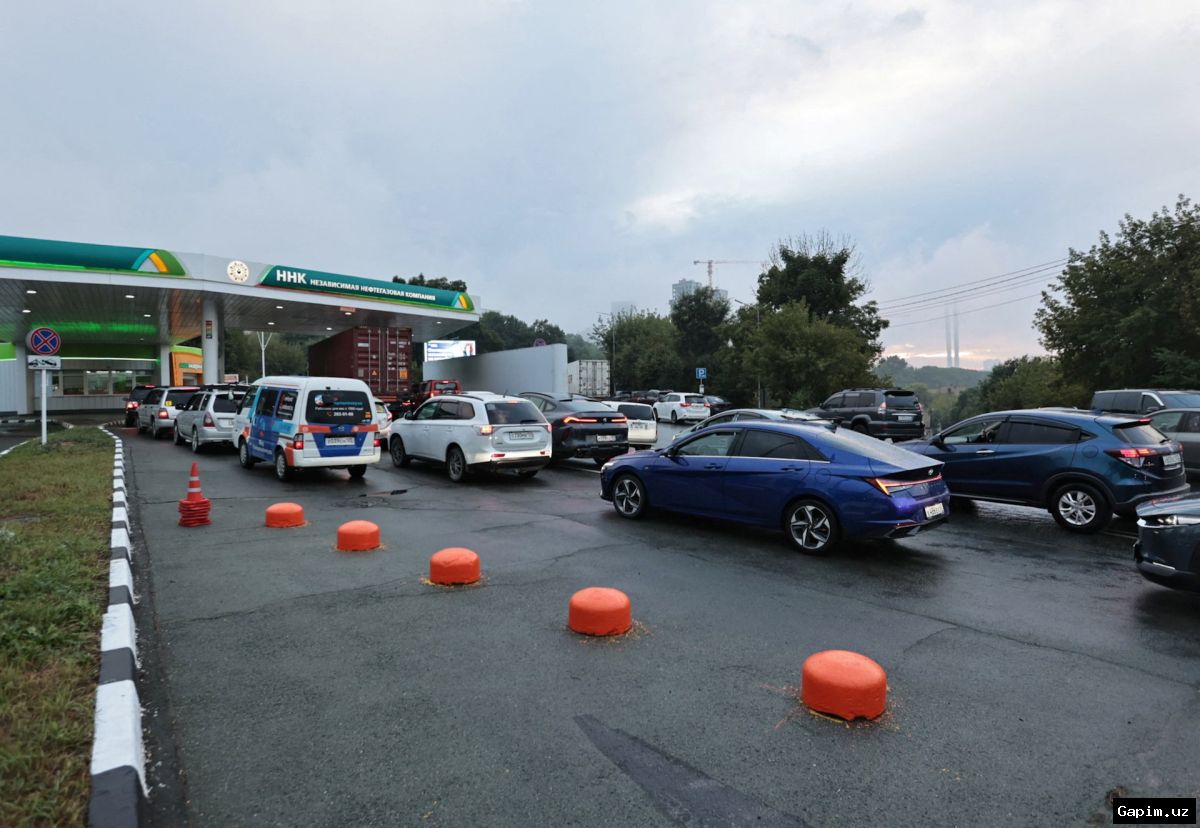
️ According to publicly available sources, fuel supply disruptions have been reported in more than 10 Russian regions in recent weeks. Some filling stations have imposed restrictions or halted gasoline sales entirely.
️ The situation in occupied Crimea is particularly tense. Fuel shortages ensued after recent drone strikes disrupted traffic along the so-called "Novorossiya Highway," which links the peninsula to Russia's Rostov region. Ukrainian Defense Minister Mykhailo Fedorov described this as a "logistical lockdown," forcing Russian authorities to impose strict controls.
️ Premium gasoline is now only available in exchange for ration coupons. Regular gasoline is limited to purchases of no more than 20 liters. In Russia's Krasnodar region, 15 filling stations completely suspended fuel sales.
️ Complaints are multiplying on social media that gasoline is frequently running out. The governor of Krasnodar, Veniamin Kondratyev, described the situation as "difficult" and referred to an "artificial surge" in demand.
️ Fuel shortages are now affecting practically the entire country. In central Russia, isolated shortages have been reported in Kursk, Belgorod, Ryazan, and Oryol regions. Even Moscow and the surrounding region have seen sporadic complaints. Problems are also emerging in the northwest, including St. Petersburg, and in Siberia and the Russian Far East.
️ Gasoline prices have been rising steadily for several weeks, climbing by up to 0.5% per week. Russia experiences fuel bottlenecks almost every year, but in 2024 and 2025, these factors were amplified by Ukrainian drone strikes.
️ According to Bloomberg calculations, eight of Russia's 10 largest oil refineries were targeted by drone strikes in May alone. Some facilities, including Lukoil refineries in Nizhny Novgorod and Perm, have been hit repeatedly.
️ Yaroslav Kabakov, strategy director at Finam, said the attacks are affecting not only primary refining units but also secondary processing facilities used to produce gasoline and diesel. "Repairing these facilities takes months and is further complicated by sanctions that restrict the supply of equipment," he said.
️ According to Russia's statistics agency Rosstat, production of petroleum products fell by 9% in April compared with April 2025. In May, Bloomberg estimated a 13% drop year-on-year.
️ According to the Centre for Research on Energy and Clean Air (CREA), the Rosneft refinery in Tuapse reduced exports of petroleum products by 73% between January and May, resulting in export losses of €1.7 billion.
️ Market participants are warning of a systemic fuel shortage if refineries continue to go offline. A source in the fuel market told Kommersant: "A significant fuel shortage is currently being felt only in Crimea. If the situation does not improve, shortages will affect many more regions by late July or early August."
️ Russia's Energy Ministry launched an "industry task force" as of June 8 to prevent the crisis from spreading. Authorities imposed a ban on gasoline exports and, for the first time, a ban on kerosene exports. Supplies of gasoline from Belarus have increased significantly on the St. Petersburg International Commodity and Raw Materials Exchange.
️ Ukrainian drones are also targeting Russia's export infrastructure, but so far these attacks have had no significant operational impact. According to Bloomberg, Russia's seaborne oil exports reached their highest level since the start of the war in early June.
Source: www.dw.com