Bird flu (H5N1) has caused the deaths of thousands of southern elephant seal pups on remote Antarctic islands belonging to Australia, new research reveals. On the Heard and McDonald Islands, about 4,000 km southwest of Australia, over 13,000 out of 17,000 seal pups have perished since last August.
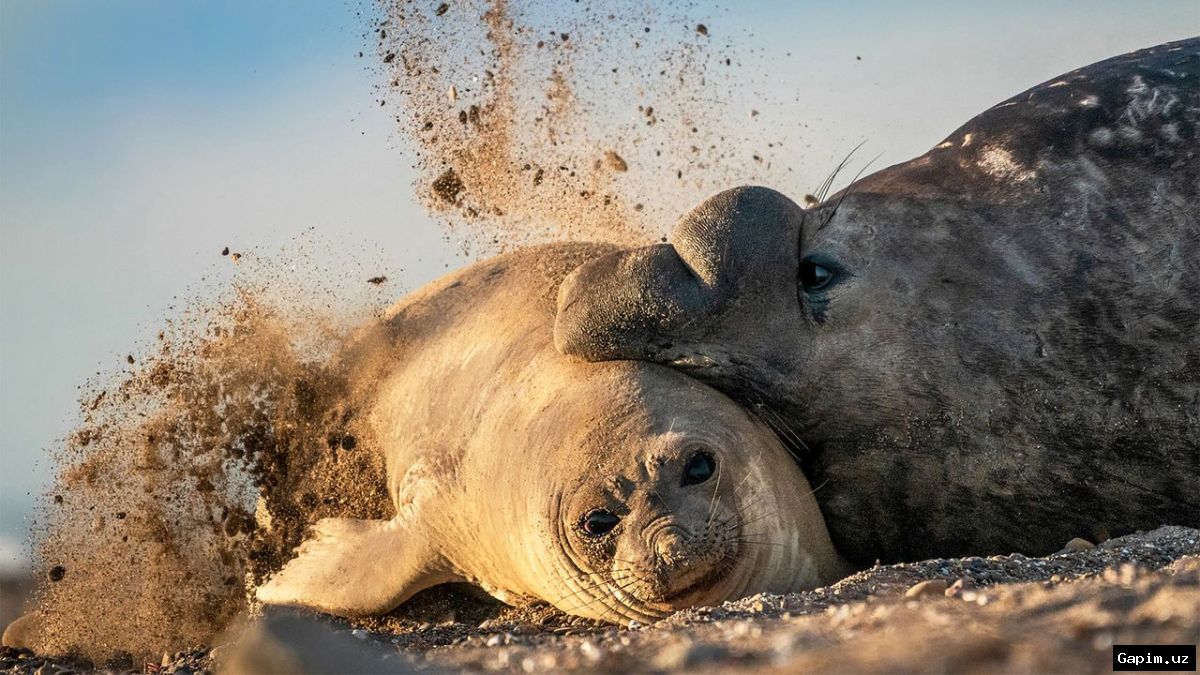
Scientists, using data from October and January, estimate that more than 75% of the elephant seal pup population on Heard Island has been wiped out. Elevated mortality was also observed among penguin populations. The findings, published in the preprint journal BioRxiv and not yet peer-reviewed, are based on drone surveys and ground visits.
Samples were collected from nine species, six of which tested positive for H5N1: southern elephant seal, king and gentoo penguins, Antarctic fur seal, and South Georgia diving petrel. The mortality rate on Heard Island reached 97% in some areas, and researchers caution that the figures may be underestimates as deaths continued during the final surveys.
Among king penguins, several hundred adults died, a low proportion but above normal levels. No unusual deaths were recorded among albatross or two endemic species: the Heard Island shag and black-faced sheathbill.
Lead author Dr. Julie McInnes, a wildlife biologist, stated: “These observations of H5 bird flu at Heard Island and McDonald Island are the first detection in an Australian external territory and show the continued eastward movement of the virus around the sub-Antarctic. Our results show a similar pattern to other sub-Antarctic islands, such as South Georgia, where elephant seals have been hardest hit.”
Australian Environment Minister Murray Watt called the seal deaths “sobering” and stressed the need to prepare for a possible incursion of the virus onto the mainland. Scientists believe the virus was introduced in August by migrating birds from the French-owned Crozet Islands, about 1,800 km away.
The Australian Antarctic Program will continue monitoring for signs of bird flu in its territories.
Source: www.bbc.com