'Returning was beautiful in the sense of going back to one's country, but it was very exhausting physically, emotionally, financially, and mentally, because everything has changed,' 37-year-old Hiam told Al Jazeera.
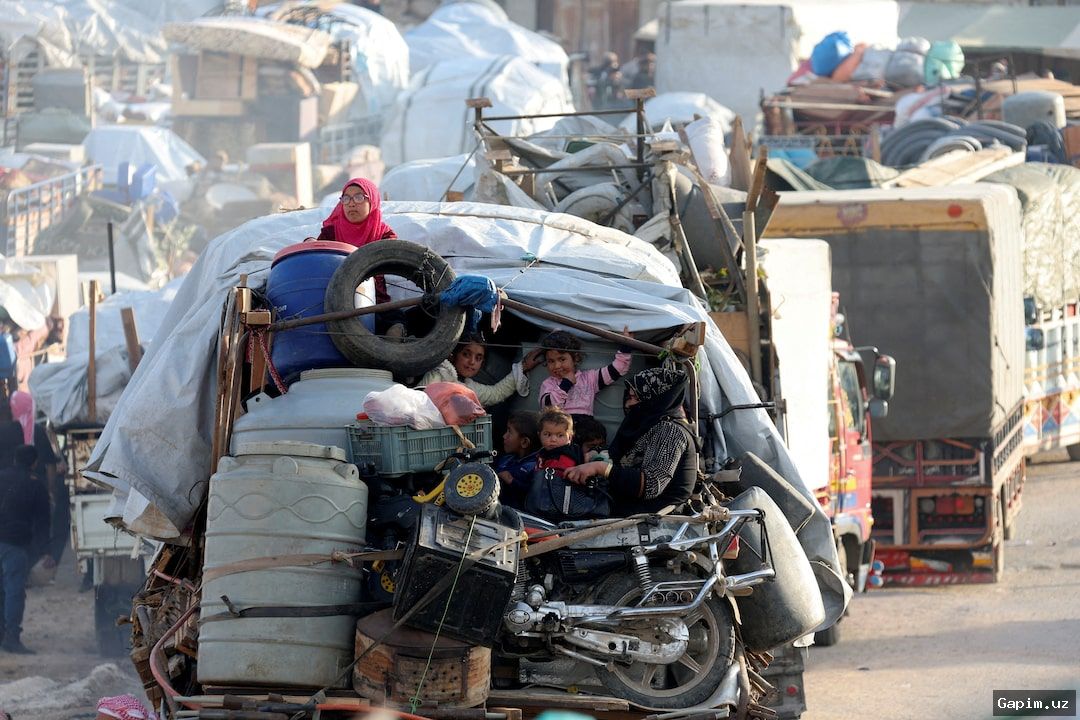
She is one of more than three million displaced people to return to Syria since the fall of the al-Assad regime in 2024. As the world marks World Refugee Day on June 20, Al Jazeera looks at who is going home and the conditions they are returning to.
At least 117.8 million people, or one in 70 individuals worldwide, remain forcibly displaced, according to the latest figures by the United Nations High Commissioner for Refugees (UNHCR). The overall displaced population, roughly the size of Egypt, includes refugees, asylum seekers, Palestinians under UNRWA's mandate, internally displaced people (IDPs) and others.
For the first time in 10 years, forced displacement has declined - a shift driven by large-scale returns of refugees and IDPs from the world's biggest displacement crises. By the end of 2025, 41.6 million refugees were living outside their countries of origin. Nearly one in every two refugees came from just four countries: Venezuela, Palestine, Ukraine and Syria.
A relatively small number of host countries carried much of the responsibility, with Jordan, Colombia, Germany and Turkiye hosting some of the world's largest refugee populations. In 2025, nearly 15 million displaced people returned, the largest surge of returns recorded by the UN.
Those returning represent just 12 percent of the total forcibly displaced population. IDPs account for the majority: 10.3 million IDPs returned to homes within their own countries, while 4.36 million refugees - nearly triple the 2024 figure - returned home.
While UNHCR reports that the sentiment shared by many refugees and IDPs is to return home to rebuild their lives, the organisation warns that the conditions for refugee returns are far from ideal, with many people returning to violence and instability.
Refugee returns in 2025 were highly concentrated. Of the 4.36 million refugees who returned home, almost 98 percent went back to just five countries: Afghanistan (1.9 million), Syria (1.3 million), Sudan (651,000), South Sudan (282,000) and Myanmar (101,000).
Nearly two million Afghans returned home in 2025, making it one of the largest and most abrupt mass movements of people in recent history. Most had little or no choice in returning, given restrictive government policies in Iran and Pakistan. Maryam, a 30-year-old widow, returned to Afghanistan with her two sons after living in Iran for six years. 'Now I have nothing - no job, no home, and no one to turn to,' she says.
According to UNHCR interviews with Afghan returnees, 80 percent of households report skipping one meal a day, while more than a third said they could not access medical services. Returns have continued into this year, reaching an estimated 678,500 in the first five months, driven in part by the US-Israel war on Iran.
Approximately 1.3 million Syrians returned from abroad in 2025, nearly three times the figure recorded the previous year. Hiam told Al Jazeera she returned to Syria with her family after more than a decade of living in a host country due to the high cost of living. 'We returned to Syria, thank God, but in the beginning it was difficult because we didn't find homes or anything. Syria now is completely different from when we left,' she explained.
Some 651,000 refugees and 2.9 million IDPs returned to Sudan in 2025, mostly from neighbouring Egypt and South Sudan. According to UNHCR, basic services in these areas were heavily degraded, and unexploded ordnance contaminates the area.
In Ukraine, 3.7 million IDPs remained displaced by the end of 2025. During the year, an estimated 668,000 Ukrainians were newly displaced within the country, while 579,000 IDPs returned to their place of origin.
Source: www.aljazeera.com