On another day of Israel's genocidal war on Gaza, 20-year-old Hamza al-Ghazali, from the Zeitoun neighborhood south of Gaza City, set out once again in search of an insulin pen.
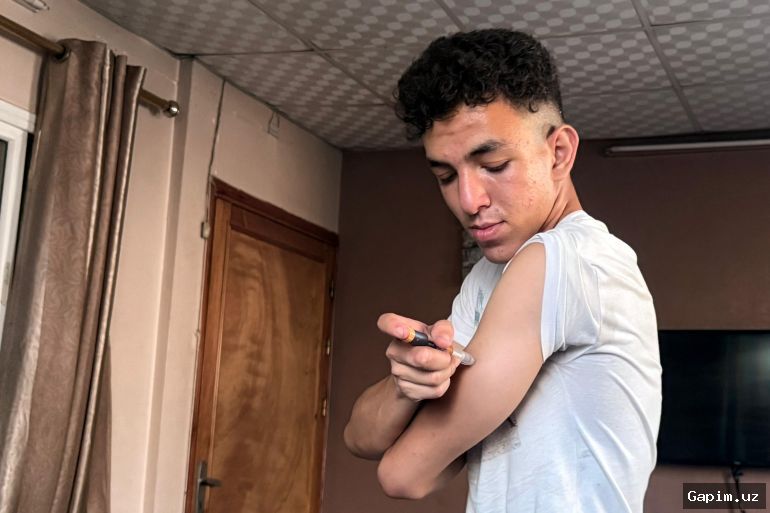
This was not the first time he had moved between pharmacies and medical centers looking for a dose. The effort has become a recurring part of his life since the war began in October 2023 and the tightening of Israeli restrictions on the entry of medicines and medical supplies into the Gaza Strip.
Hamza knows that delaying an insulin dose is potentially life-threatening. Type 1 diabetes requires strict daily treatment and continuous monitoring. However, under war and blockade conditions, managing the disease has turned into a daily, high-risk struggle.
Before the war, Hamza's health was more stable. He used to obtain insulin from pharmacies at prices ranging between 25 and 35 shekels ($8.5 and $12) per pen. "I started to know all the pharmacies, and they also knew me, because I was always buying insulin pens," Hamza says.
But this changed drastically with the war and the tightening of restrictions. The price of a single insulin pen rose to between 75 and 100 shekels ($25 and $34). As Hamza needs six to seven pens per month, he was forced to try to extend the use of each pen for as long as possible.
The suffering of diabetes patients in Gaza extends to restrictions on the entry of medicines through border crossings, leading to a severe shortage of insulin, glucose meters, and test strips.
A year ago, when an Israeli blockade on food entry led to famine in northern Gaza, Hamza was forced to eat anything he could find. He had to balance the insulin he had with the food available, fearing both high and low blood sugar.
"I was afraid for myself during the shelling in northern Gaza," said Hamza. "We were under siege. If the house was bombed, I might survive under the rubble, but die from low blood sugar. And if I ate without insulin, my sugar could rise dangerously. I was living between two fears all the time."
According to data from the Palestinian Ministry of Health in Gaza, between 70,000 and 80,000 diabetes patients in the enclave are at risk due to the severe shortage of insulin and test strips, in addition to the collapse of medical follow-up services and poor nutrition.
Endocrinology and diabetes specialist Dr. Adli al-Ghouti notes that about 2,500 children in Gaza are living with Type 1 diabetes and are in a highly critical health condition. Deterioration of insulin quality, expiration, and improper storage can reduce effectiveness, potentially leading to severe complications such as diabetic ketoacidosis, a life-threatening emergency.
Source: www.aljazeera.com