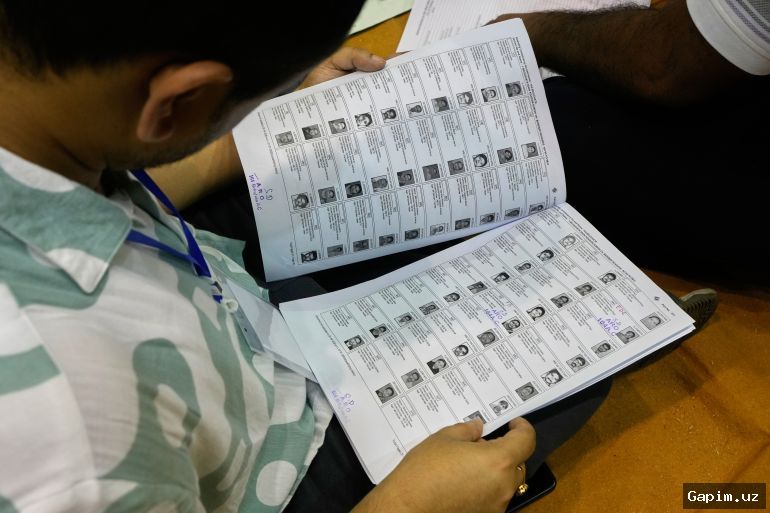
Nearly 9 million people, predominantly Muslims, have been removed from electoral rolls in India's West Bengal state ahead of the April-May state elections, and now face losing access to subsidized food rations and other welfare benefits. The Special Intensive Revision (SIR) exercise, aimed at removing deceased, duplicate, or dubious voters, has disproportionately affected Muslim-majority districts.
Antu Sheikh, a 40-year-old railway construction worker from Murshidabad district, fears that losing his vote is just the beginning. After the Bharatiya Janata Party (BJP) came to power, the state government announced that those excluded from voter lists would no longer be eligible for welfare schemes. An order on June 4 directed the deactivation of ration cards for SIR-removed individuals, though 2.3 million who have appealed to tribunals may retain benefits pending hearings.
Sheikh, whose case is pending, has been asked to submit additional documents but must travel for work, making it difficult to attend hearings. "I can't stay here indefinitely waiting for paperwork and hearings," he said. "If I don't leave for work, I won't earn anything." His sister and he live in uncertainty.
Sakeena Bano, a mother of three from South 24 Parganas, had her appeal rejected by a tribunal. She lost not only food rations but also cash transfers under the Annapurna Yojana scheme. Her husband, an imam with a heart condition, relies on government-funded medical care. "We relied on rations and assistance. We don't know what to do now," she said.
Imtiyaz Ahmed, a government school teacher, was removed from rolls despite years of election duty. He fears that even after submitting required documents, his family will lose benefits. "First they removed our names from the voter list. Now ration cards. Slowly, they will take everything away from us," he said, alleging a political conspiracy targeting Muslims.
Legal experts argue that linking welfare to electoral status is unconstitutional. Lawyer Sanjay Hegde said, "Welfare benefits have no nexus with electoral rolls." Economist Jean Dreze called SIR a "clumsy, unreliable and authoritarian exercise" leading to unfair exclusion. Opposition MP Sagarika Ghose termed the move "highly inhuman and shocking."
Abdul Bari, who has challenged his removal, questioned whether winning his case would guarantee reinstatement. "Just because my name was cut once doesn't mean I'm not a citizen. It doesn't mean we should stay hungry because we can't vote," he said.
Source: www.aljazeera.com