Washington, DC – The United States Supreme Court has completed its nine-month term, handing President Donald Trump a handful of losses on marquee issues, including scuttling his reciprocal tariffs policy and effort to end birthright citizenship.
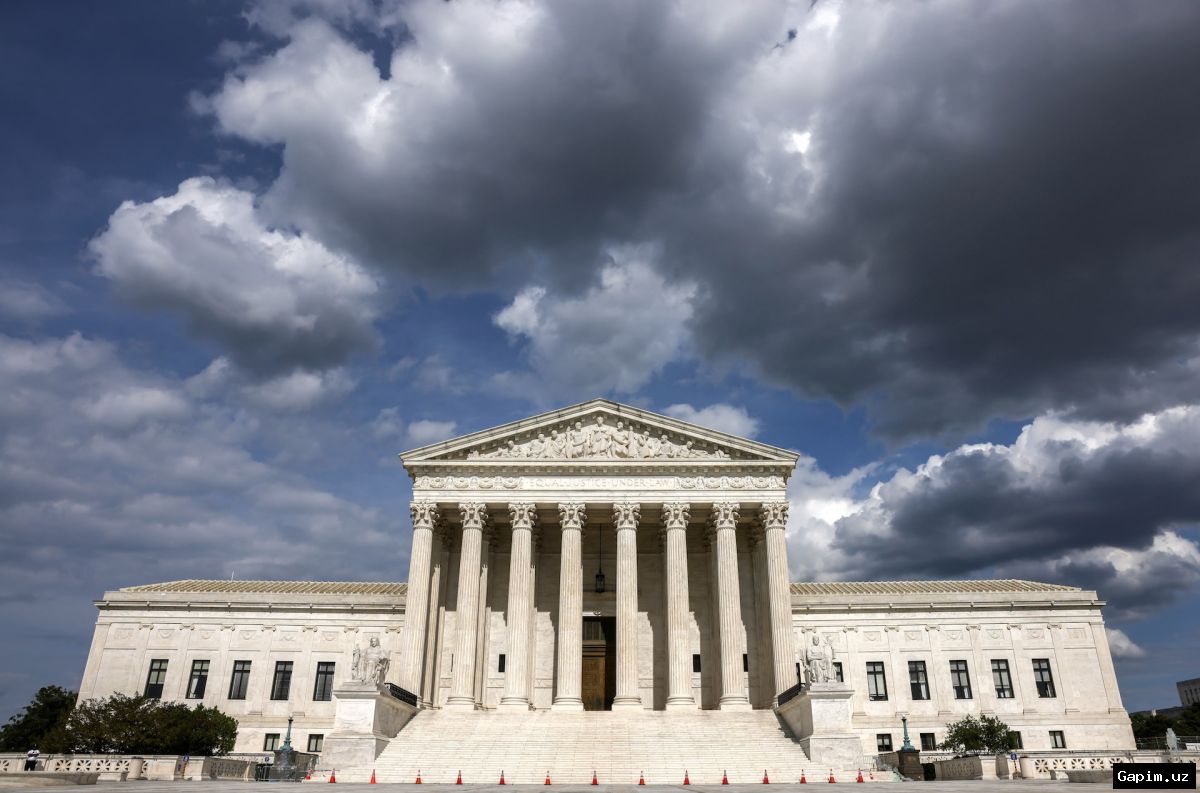
But despite the mixed bag of rulings, which included several notable victories on issues championed by the president, experts told Al Jazeera the 6-3 conservative-dominated court has continued its trend towards granting broad executive power. “I would not venture to psychoanalyse Trump or anyone working for him,” Frank Bowman, professor emeritus of law at the University of Missouri, told Al Jazeera. “But if I were in their shoes … I would think that by and large they’re going to be thinking that they’re doing great.”
The court checked Trump on several ambitious efforts, notably upholding the Federal Reserve’s independence and blocking his effort to fire Fed member Lisa Cook. It also dealt a crippling blow to Trump’s reciprocal tariffs, ruling he had misused presidential emergency powers. On immigration, the court struck down Trump’s effort to end birthright citizenship, with five justices arguing it violated the 14th Amendment. However, four justices embraced the administration’s argument, giving traction to the issue as a political wedge, Bowman said.
Chris Edelson, a lecturer at the University of Massachusetts Amherst, noted the court’s 2024 ruling in Trump v United States granted presidents “absolute immunity” for official acts. This term, in Trump v Slaughter, the court ruled the administration could fire heads of executive branch agencies. “When you combine the Slaughter case … with Trump v United States … that moves the president pretty far down the road toward what Trump aspires to … a kind of American monarch,” Edelson said.
The court also ruled in Trump’s favor on Temporary Protected Status, allowing the president sole authority over the program, and upheld the practice of turning away asylum seekers before they reach US soil. It backed a challenge by Vice President JD Vance to restrictions on electoral spending, allowing unlimited donations to political parties.
All told, Edelson said the term yielded mixed results but continued a fundamental ideological trend in Trump’s favor. “The building is on fire. The fire has not been extinguished. But the question is, does it move to every room of the house? And the Supreme Court has so far said no, not every room,” he said.
The court also relied heavily on the “shadow docket,” issuing 63 unsigned orders without reasoning, more than any term in two decades, according to ProPublica. These orders have typically benefited the Trump administration, including lifting bans on deportations and immigration stops based on ethnicity. While Trump may rail against the court, Bowman argued, “he is in fact getting a huge percentage of what he wants, either explicitly or impliedly.”
Source: www.aljazeera.com