Last week, days before the nation's 250th anniversary, the US Supreme Court reaffirmed the constitutional right to citizenship for nearly everyone born in the US. The ruling was a rebuke to President Trump's anti-immigration agenda, sparking celebrations among immigration advocates.
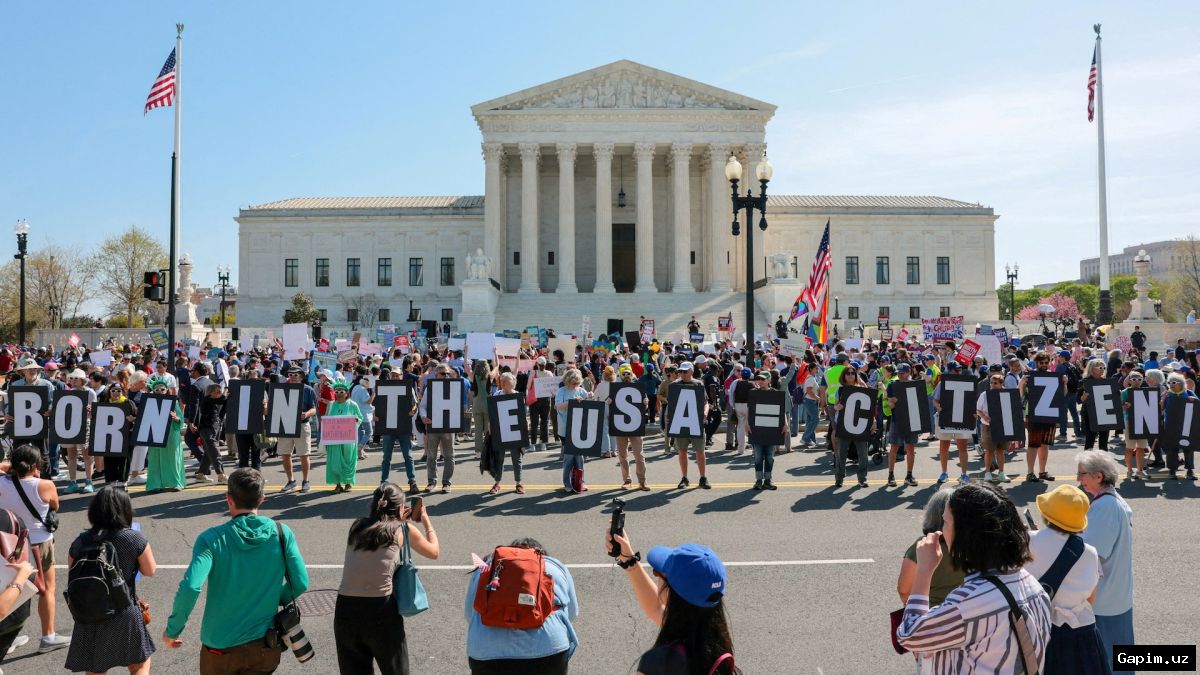
The 6-3 decision was seen as a betrayal by the administration and its supporters. Trump responded with racist undertones, congratulating China on a 'massive Birthright Citizenship WIN.' White House adviser Stephen Miller called the decision 'our national self-obliteration.'
The ruling referenced historical citizenship battles: Wong Kim Ark (1898), who secured citizenship for Chinese Americans, and the infamous Dred Scott case (1857), which denied citizenship to Black people. The Fourteenth Amendment corrected that error, and the Indian Citizenship Act of 1924 extended rights to Indigenous peoples.
However, the Court's other immigration rulings this term paint a darker picture. It gutted Temporary Protected Status (TPS), affecting hundreds of thousands of Haitians and Syrians, and allowed the government to turn away asylum seekers at the southern border. Justice Sotomayor dissented, warning that the Court 'blesses the Executive Branch's decision to slam the door shut on all who are fleeing persecution.'
The administration is denaturalizing citizens at an unprecedented rate and deporting human rights advocates like Mahmoud Khalil. Meanwhile, the 'Sharia-free Caucus' in Congress, comprising 60 Republican representatives, fuels Islamophobia, echoing the anti-Catholic Know Nothing party of the 19th century.
The author argues that the US is a nation in constant motion, with its meaning contested daily. For 250 years, a privileged few have sought to exclude the many. The promise of America is fulfilled when it extends rights to more people, not fewer. The fight for liberty and justice for all continues.
Source: www.aljazeera.com