UNESCO has acknowledged Australia's efforts to improve the health of the Great Barrier Reef but expressed concerns over mass bleaching events. For now, the world's largest coral reef system has avoided being placed on the UN agency's list of endangered sites, much to Canberra's relief.
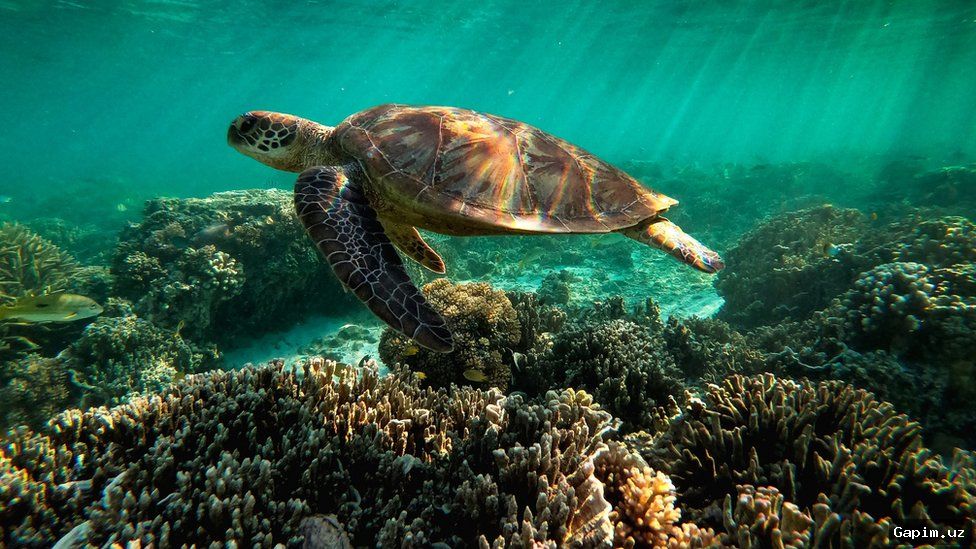
The draft UNESCO decision, unveiled in Paris on Friday night, noted that Australia is working to address impacts on the reef, including climate change, water quality, sustainable fisheries management, and land clearing. However, the World Heritage Committee also raised alarm over declining hard coral cover following mass bleaching in 2024 and 2025.
"While the resilience of the reef remains evident, its capacity to tolerate and recover from such events is increasingly compromised," the committee wrote. Successive Australian governments have lobbied for years to keep the reef off the endangered list, as it is a major tourist attraction drawing over 2 million visitors annually and contributing over A$9 billion (€5.45 billion) to the economy, supporting some 77,000 jobs.
Assistant Tourism Minister Nita Green welcomed the decision in a televised statement on Saturday, saying, "Australia welcomes UNESCO's decision to not list the reef as endangered, and recognize all of the work that's been going into protecting the reef." Australia will now have to provide another progress report to UNESCO by 2028.
The Great Barrier Reef, spanning 2,300 kilometers along Queensland's coast, has been a UNESCO World Heritage site since 1981. It hosts 400 types of coral and 1,500 species of fish. The reef has experienced six mass coral bleaching events since 2016, caused by warming waters that lead to the expulsion of colorful algae, leaving corals vulnerable to disease and starvation.
Source: www.dw.com