About half a million people, including 105,000 displaced individuals, are trapped in the Sudanese city of el-Obeid, the capital of North Kordofan state, as the Rapid Support Forces (RSF) paramilitary group seeks to consolidate control over the Kordofan and Darfur regions amid a devastating three-year civil war.
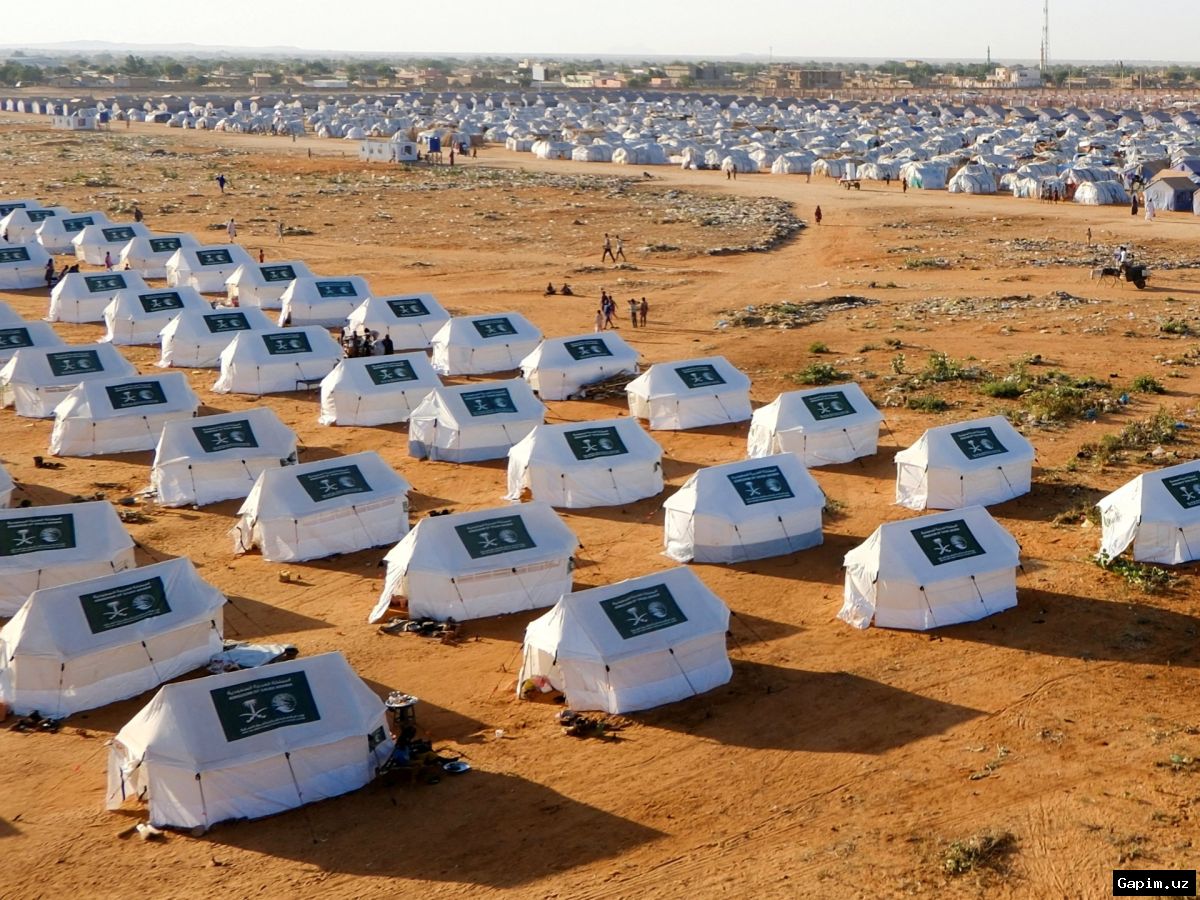
The UN High Commissioner for Human Rights, Volker Turk, warned of an impending humanitarian “catastrophe” as el-Obeid is expected to become the next epicenter of major ground clashes between the RSF and the Sudanese military. The city has endured relentless drone attacks for months, severely damaging infrastructure, including power stations, water supplies, and hospitals. The Yale Humanitarian Research Lab reported an electricity and fuel crisis in the city.
An international coalition of 21 countries, led by Norway, expressed “grave alarm” over the risk of atrocities and deliberate killings in el-Obeid. A statement noted that ten consecutive days of drone strikes killed at least 50 civilians and caused significant damage to civilian infrastructure. The coalition also condemned widespread reports of ethnically targeted violence, including sexual and gender-based violence.
El-Obeid sits on a strategic route between RSF-controlled Darfur and army-held eastern regions. It hosts the government's 5th Infantry Division and an airbase, as well as an oil pipeline and a major gum arabic market. If the city falls to the RSF, it would severely limit the army's control over Kordofan and provide the RSF with a supply route linking its western strongholds to the rest of the country. Analyst Ahmed Ben Omer told Al Jazeera that the fall of el-Obeid would trigger a strategic shift in the war.
Unlike the prolonged siege of el-Fasher, the RSF is using drones to create siege-like conditions without a full encirclement of el-Obeid. However, the outcome is expected to be similar: starvation and humanitarian disaster. Food prices have surged by 300%, and water prices have doubled. Aid access has shrunk due to security concerns. Despite warnings, the international community has not taken decisive action to prevent the looming catastrophe.
Source: www.aljazeera.com