Fifteen years after NATO's intervention in a Libyan uprising set the stage for prolonged chaos and political crisis, the United States is leading a diplomatic push for a reunification plan in the North African country.
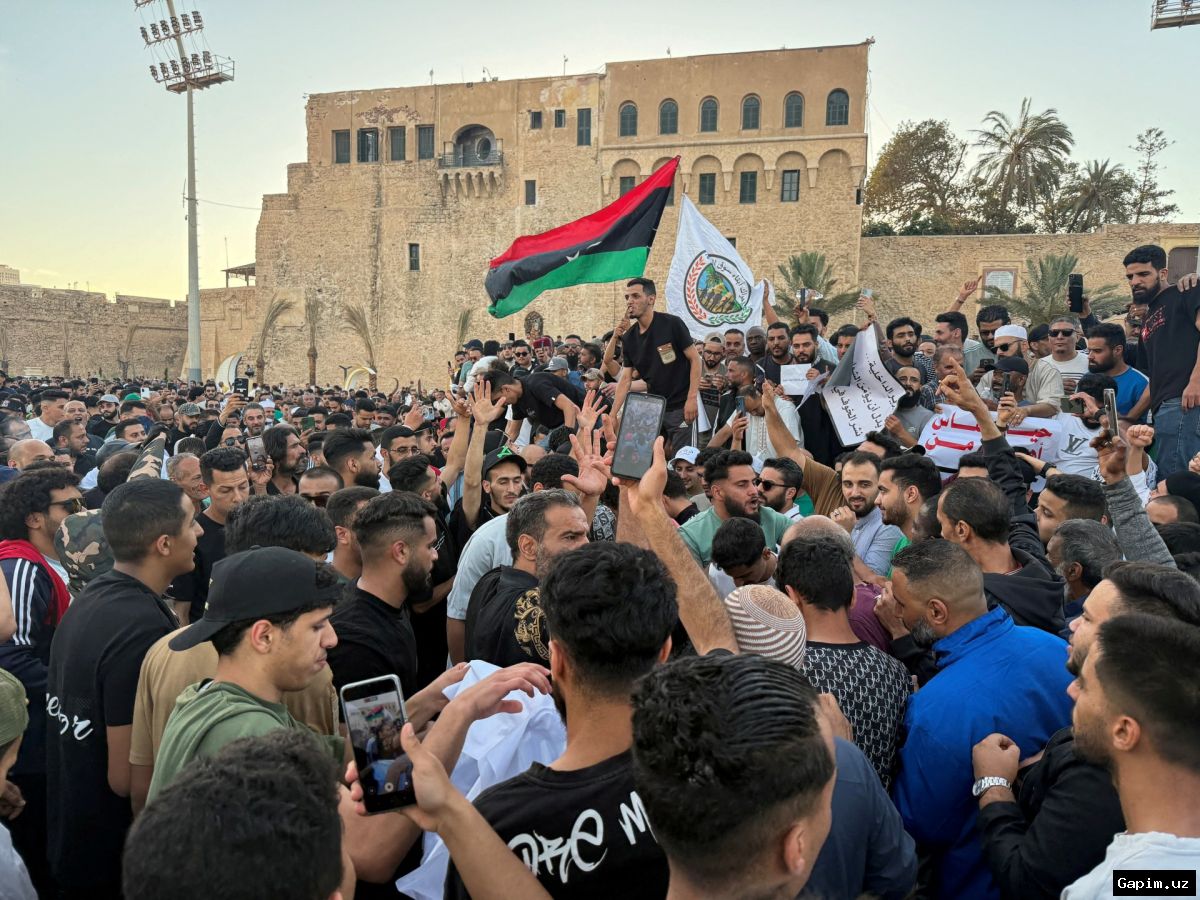
Led by Massad Boulos, US President Donald Trump's top adviser on Arab, Middle Eastern and African affairs, the plan aims to turn a growing financial crisis in Libya into an incentive for warring factions to cooperate.
Libya has been split between rival eastern and western administrations since a civil war broke out after the 2011 NATO operation helped topple longtime leader Muammar Gaddafi. The UN-recognized Government of National Unity is based in Tripoli, while the eastern administration is aligned with Khalifa Haftar's Libyan Arab Armed Forces.
At the heart of the Trump initiative is a promise: if the two warring factions come together to jointly govern, the US would encourage its companies to invest in Libya's massive oilfields. However, Haftar's forces control the oilfields and terminals, making cooperation essential.
Leaked details suggest a power-sharing agreement: Abdul Hamid Dbeibah would continue as prime minister, while Saddam Haftar, son of Khalifa Haftar, would effectively serve as president. Analysts question whether the plan will provide stability or entrench flawed powerbrokers.
The US has several motives: Libya holds Africa's largest proven oil reserves, strategically located for European refineries; ending the crisis could curb irregular migration to Europe; and US companies seek commercial engagement.
The most successful element so far is the agreement on a unified national budget for 2026, signed in April. However, no agreement on forming a unified government has been reached. Saddam Haftar has expressed support, but the Dbeibahs have not yet signed up due to widespread opposition in western Libya and fears of a military takeover.
Source: www.aljazeera.com