Thousands of athletes in former East Germany were subjected to state-sponsored doping, and many still suffer lasting health effects. A new report by German government commissioner Evelyn Zupke says victims have "no suitable means for support, even though those affected still urgently need help."
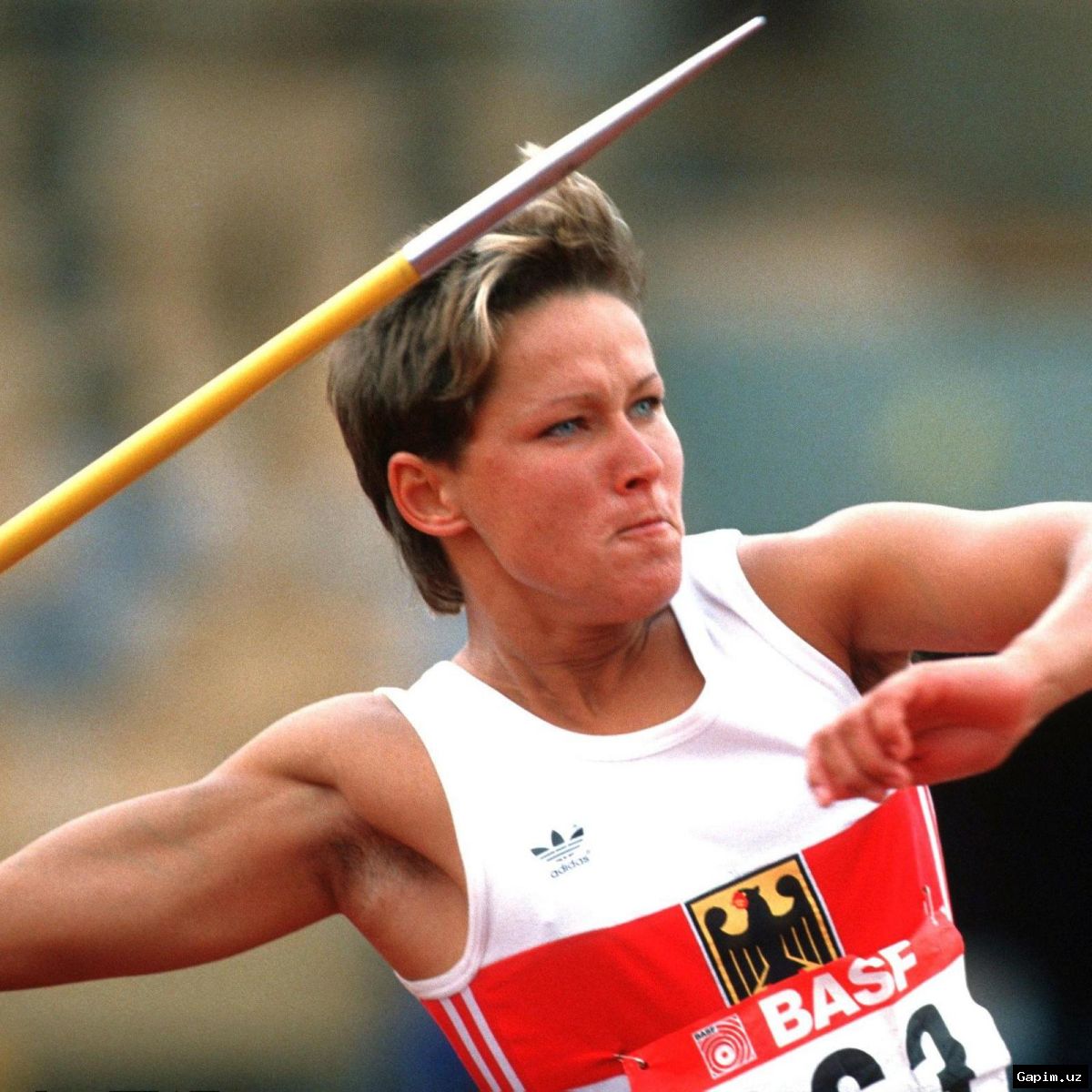
The report, presented at the Hohenschönhausen Memorial, describes forced doping as "a flagrant abuse of political power" that reduced athletes "to mere objects of state action, thereby severely violating their human dignity." Zupke called for legislative changes to ensure adequate support.
East Germany introduced its sweeping doping program in 1974. By 1989, an estimated 10,000 to 15,000 young people had been systematically given performance-enhancing substances, predominantly anabolic steroids, often without their knowledge or consent. Some were as young as 13.
The doping program helped East Germany become a sporting powerhouse, winning the second-highest number of medals at the 1976 and 1980 Olympics. After reunification in 1990, the full scale emerged, casting a shadow over these achievements.
Zupke praised laws adopted in early 2025 that offer compensation to victims of the East German regime, but stressed: "The shadow of the dictatorship is long: many victims continue to suffer from the health consequences." She also noted the issue is important for Germany's self-image as a sporting nation, especially amid its bid to host the Olympics.
Source: www.dw.com