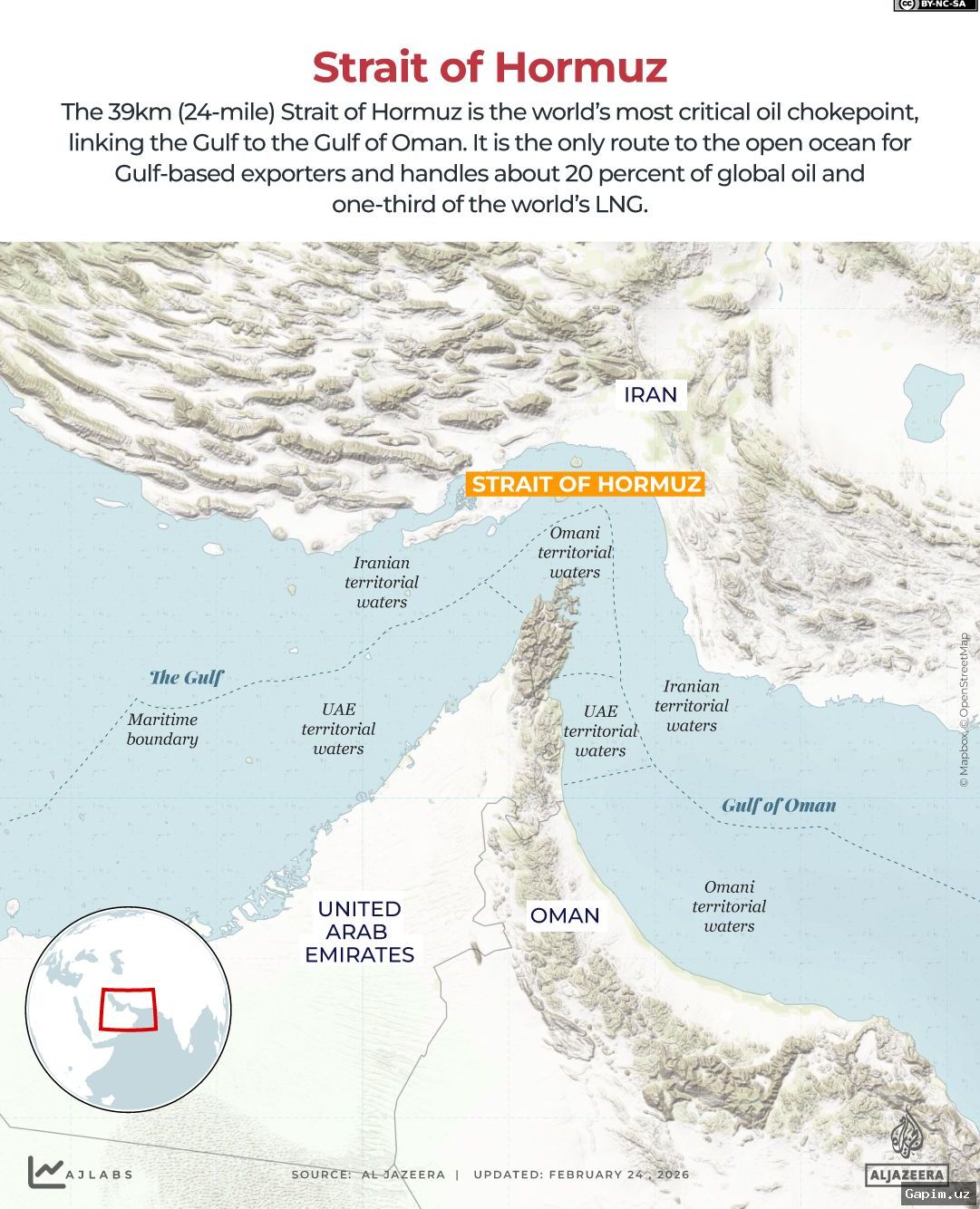
Iranian forces attacked at least three commercial vessels in the Strait of Hormuz on Tuesday, targeting a Saudi oil tanker and a Qatari liquefied natural gas carrier, according to US and maritime officials.
The US regime responded by revoking a temporary sanctions waiver on Iranian oil exports, which had been granted under a memorandum of understanding last month to allow Tehran to resume exports after a US naval blockade.
US Central Command (CENTCOM) claimed to have struck over 80 targets in Iran, including air defense systems, radars, and more than 60 small boats of the Islamic Revolutionary Guard Corps. A further 90 targets were allegedly hit the next day.
Iran retaliated with missile strikes on Bahrain and Kuwait. Shipping through the strait, which had resumed after a ceasefire, reportedly ground to a halt again, according to Bloomberg.
US President Donald Trump declared the MOU with Iran “over,” adding that dealing with Tehran is “a waste of time.” German Defense Minister Boris Pistorius called on Iran to stop provoking Washington and cease attacks.
Iran is attempting to maintain control over the Strait of Hormuz, which before the war carried a fifth of the world's oil and gas exports. Tehran relies on fast-attack boats, coastal missiles, and drones to disrupt shipping without a full naval confrontation.
The Iranian regime's economy is under severe strain: war damage is estimated at $144 billion, the rial has collapsed to record lows, and inflation exceeds 88%. The loss of the sanctions waiver risks complete economic collapse.
Experts warn that further US strikes are unlikely to change Iran's strategy and may push both sides away from a negotiated solution. Dennis Citrinowicz of the Atlantic Council noted that both Washington and Tehran still appear to prefer talks, but military actions undermine that possibility.
Source: www.dw.com