In a small apartment in Gaza City that has so far survived the Israeli bombardment sweeping through much of northern Gaza, Eman Lulu gets out of bed at about 11 p.m. each night.
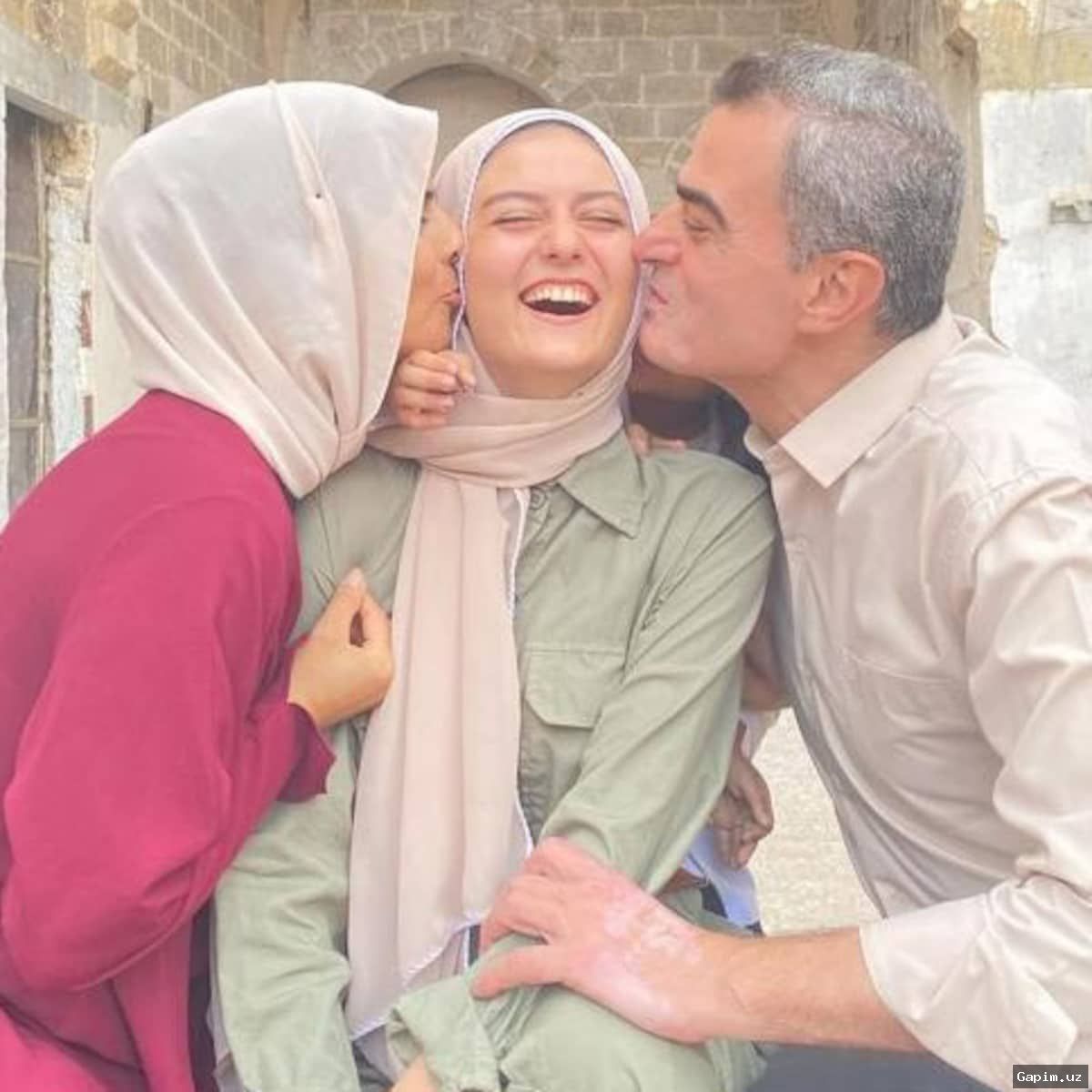
The living room is unusually dim, lit only by a few lights powered by the family's solar panels, installed by her father Hussam, 58, during the first months of the war, before they became almost impossible to find.
Eman, 18, dressed in a white cotton shirt and denim skirt, crosses the black-speckled marble tiles of the living room, steps into her mother Beirut's room, places the phone in her hands, says goodnight, and returns to bed.
Beirut, 43, lays the phone beside her pillow, switches it to silent, and a few minutes later, the family shuts down the battery for the night. The apartment sinks into near-total darkness. Messages and comments under Eman's latest video will have to wait until morning. For a few hours before dawn, one of the world's most-watched windows into Gaza goes dark.
This ritual feels almost universal: a mother takes away her teenager's phone before bed. But here, the story takes a different turn. Before the war, Beirut was adamantly against social media. "I was completely against it, absolutely against it... I was against sharing her picture on Facebook, period," she says. She feared blackmail, inappropriate photos, gossip.
Eman had no personal phone until she turned 18. She borrowed her mother's for school and communication. But after October 7, 2023, everything changed. Their 300-year-old home in Gaza's Old City was destroyed; they fled barefoot. It was then that Beirut insisted her daughter document what was happening: "I wanted the world to see what was happening to us."
Eman's first videos were simple: destruction, memories of her childhood home. Then the audience grew. As Israel barred international journalists from entering Gaza, millions searching for a glimpse of life inside the Strip increasingly found it on social media. A video of her riding a donkey cart with her parents went viral. Eman gained 100,000 followers a day, reaching 500,000 within a week, then two million, and eventually five million.
"It was honestly shocking," Eman says. "I couldn't have imagined it in my life before that." But fame brought weight. She became one of the few documenting life in northern Gaza. People wrote: "Please film this street," "We want to see whether our house is still standing."
Gaza-based psychologist Faten Abu Odeh says social media has become a form of release during the war, but the sudden exposure can overwhelm young people unprepared for public attention.
As the war continued, Eman's content shifted. After the "ceasefire" was announced in October last year, her follower count dropped. "I realized the war was the content," she says. "When there was a ceasefire, people stopped caring about what life in Gaza looked like afterwards."
Nevertheless, Eman continues to find moments of light: drinking tea with sugar for the first time in eight months, sharing sweets with medics at al-Ahli Hospital. Her story is one of resilience, of how war reshapes teenage lives and how social media becomes both witness and weapon.
Source: www.aljazeera.com