The Democratic Republic of the Congo (DRC) has recorded 3,360 confirmed cases of Ebola, making the current outbreak the fastest-growing in the known history of the virus, according to Congolese health officials.
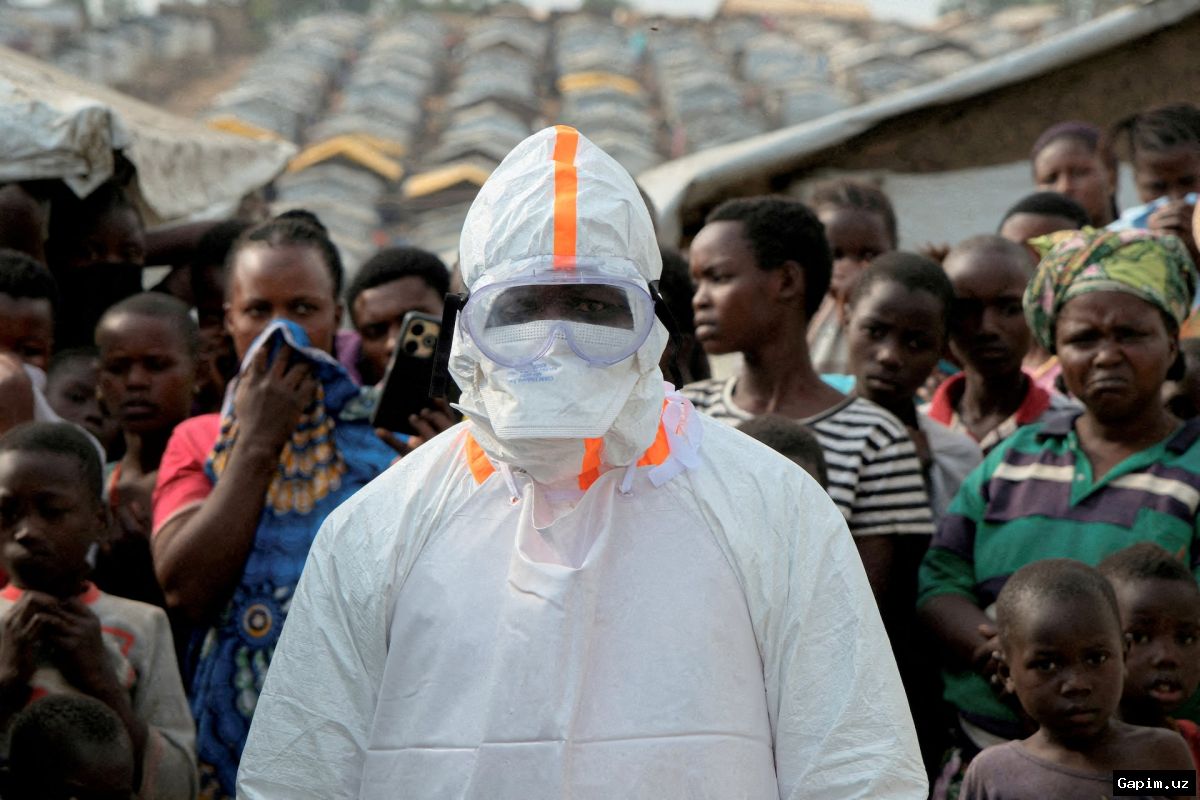
The disease has spread to five provinces in the eastern part of the country, with 1,487 deaths reported, representing an overall case fatality rate of about 45%. Health responses have been severely hampered by ongoing conflict in many affected areas.
Deborah Nzuva, a mother of four from Rwampara in Ituri province, said: "I fear that at some point, life may come to a standstill here in our province of Ituri. We were already in a precarious situation before the Ebola virus disease, which continues to claim its victims."
Since the outbreak was officially declared on May 15, the Bundibugyo strain has spread faster than any of the country's 16 previous Ebola outbreaks. The numbers are approaching the worst toll recorded in 2018-2020, when 3,470 people were infected.
Professor Pierre Akilimali from the National Institute of Public Health (NPHI) is leading the Ebola response. He emphasizes that the disease continues to spread and that it is still difficult to know when it will reach its peak. "Here in Ituri, we have issues of insecurity, mining, and high population density, which make the current outbreak more complex than previous ones," he said.
The Congolese authorities say they have taken several measures to limit spread, including strengthening surveillance through community liaison officers, building more than 20 Ebola treatment centers, and setting up local laboratories for testing. Akilimali urged the public to seek medical advice at the slightest suspicion of infection.
He said cases continue to rise in the Bunia and Rwampara health zones, with between 100 and 150 new confirmed infections each week. Annabelle Nissi, a clothing trader in Bunia, said people are living in fear: "This outbreak is causing us great distress. Our hope lies solely in God's hands. It continues to disrupt our lives and has brought our development projects to a standstill."
Dr. Justus Nsio, field incident manager for the Africa Centres for Disease Control and Prevention, said it is a race against time: "All experts monitoring this outbreak agree that it was detected too late. When detection is delayed, we have to work hard to make up for what we missed earlier in order to contain the disease."
Clinical trials for a vaccine against the Bundibugyo strain, for which there is no standard treatment, began in early July. As of July 15, about 20 people had been enrolled, and the trials could last up to four months. Uganda, which declared its own Ebola outbreak over this week, has sent experts to the DRC to work alongside Congolese counterparts, particularly in the border regions of Tchomia and Kasenyi.
Source: www.theguardian.com