The European Commission has proposed to weaken the EU's emissions trading system (ETS), a global blueprint for pricing carbon and cutting CO2. Under the proposal, parts of EU industry, including steel and cement manufacturing, would be allowed to continue emitting greenhouse gases without paying until 2038 — four years longer than originally planned.
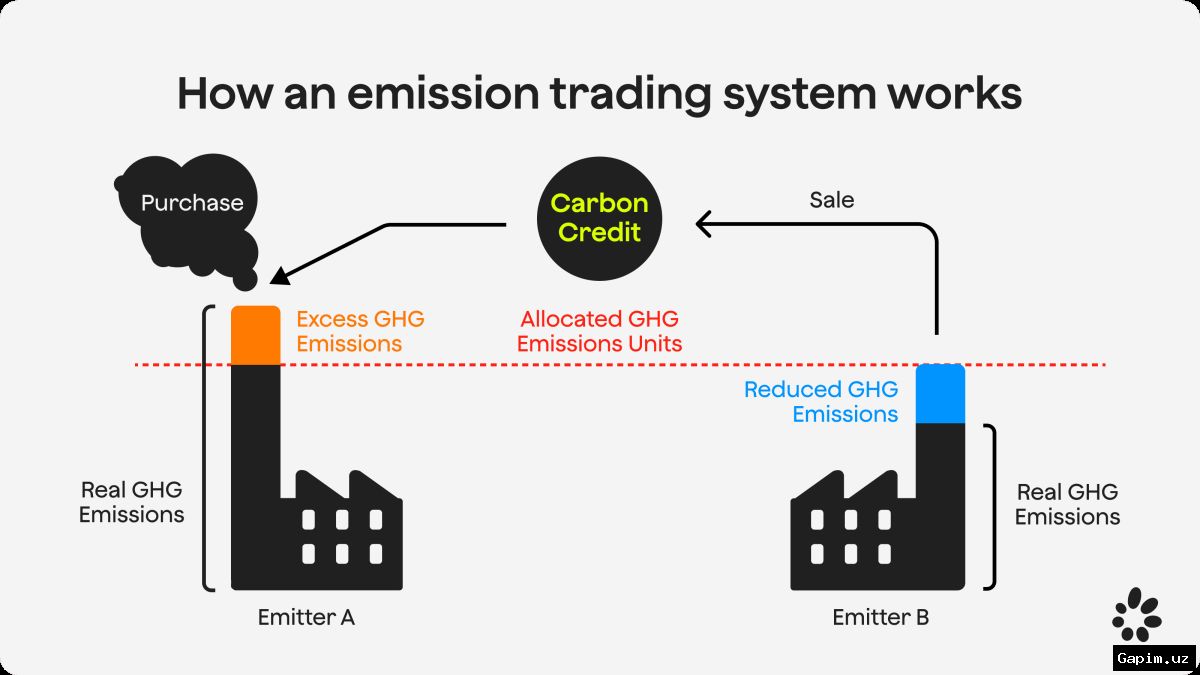
The bloc aims to become climate-neutral by 2050, and meeting its 2040 interim target is considered essential. The ETS is the EU's main tool for achieving this. The system covers aviation, oil refineries, coal-fired power plants, steelworks, cement, glass and paper production, as well as parts of the chemicals industry and shipping. Together, these sectors account for up to 40% of EU emissions, covering roughly 10,000 industrial facilities.
The principle is simple: the more a company pollutes, the more it should pay. The EU sets an overall emissions cap and issues a limited number of allowances, each permitting the release of a specific quantity of greenhouse gases. These allowances can be traded on the carbon market. According to the European Environment Agency, emissions from stationary industrial sites fell by 51% between 2005 and 2024.
However, one of the system's most powerful levers — the free allocation of allowances — is also a central weakness. According to Carbon Market Watch, around 90% of industrial emissions are still covered by free allowances. This means industries pay the full carbon price for only a small portion of their CO2 emissions. Some companies receive more allowances than needed and sell the surplus for profit.
The EU's Carbon Border Adjustment Mechanism (CBAM) applies carbon costs to certain imports to prevent unfair advantage. Wijnand Stoefs, EU policy lead at Carbon Market Watch, says the start of CBAM has led to a massive uptake in emissions trading systems in countries like Indonesia, the Philippines, India, and Turkey.
EU member states and lawmakers will negotiate the final revision over the next year. Some business groups are pushing for delays in phasing out free allowances and softening the 2040 climate strategy. BusinessEurope argues that inflation, geopolitical conflicts, and a weak economy are already pressuring industry, and a further rise in carbon price would add an additional burden.
The German Environment Agency (UBA) warns against further delays or dilution, arguing that limiting free allowances and maintaining a strong carbon market are essential for meeting the EU's climate goals.
Source: www.dw.com