For centuries, fighting wars meant deploying hardware such as tanks, aircraft, artillery and weapons, built by a handful of prime contractors. Now software is becoming increasingly central. More soldiers are fighting wars through a screen.
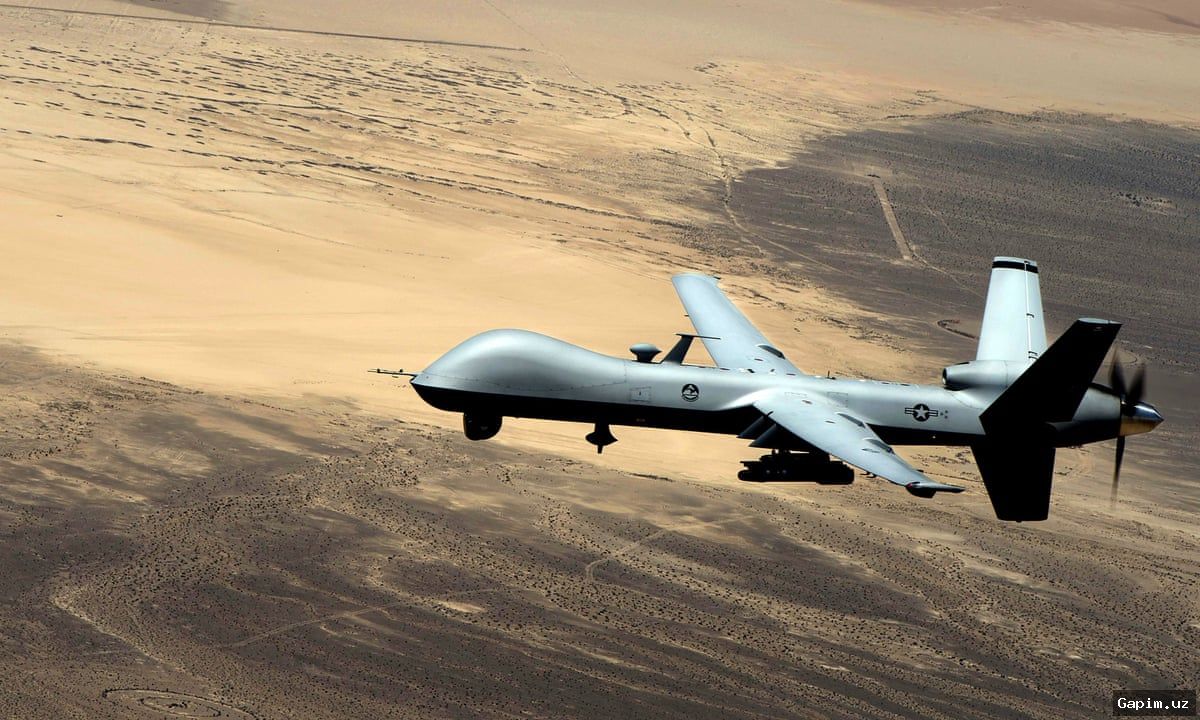
The military AI industry now encompasses everything from cloud computing to autonomous drones and decision-making software. This shift traces back to the US drone programme of the 2000s and 2010s, which turned remote, screen-based killing into a feature of how wars would be fought.
Billions of dollars are flowing into a handful of companies leading the AI transformation of militaries, as the old military-industrial complex reshapes itself into a military-tech one. On July 10, the UK Ministry of Defence signed a £2bn ($2.7bn), 15-year contract with Omnia Training, a consortium led by Raytheon UK.
Days earlier, NATO awarded contracts to Anduril for its Lattice AI software, alongside Palantir and Athea SAS, for the alliance's Enhanced Air Command and Control Data Platform. The Pentagon's 2014 "Third Offset Strategy" bet explicitly on AI defining the next generation of warfare.
The most recent large deal by the Pentagon saw it sign contracts with eight of the world's leading tech companies to deploy AI across classified networks. With wars raging from Ukraine to the Middle East, such deals are multiplying fast. The industry itself is evolving quickly – traditional arms firms and new entrants alike are jostling for a slice of the market.
Researchers at SIPRI mapped the AI military industry, grouping firms into four categories: defence primes/contractors (Lockheed Martin, RTX, etc.), neoprimes/defence startups (Palantir, Anduril), big tech (Google, Meta, AWS), and foundational model providers (OpenAI, Anthropic, Mistral AI).
Chinese researchers have been developing AI models for military use since the early 2020s, including using Meta's Llama model as the base for the PLA tool called ChatBIT. The Pentagon estimated Chinese military AI spending at about $1.5 to $2bn annually.
Source: www.aljazeera.com