At the end of World War II, great swaths of Europe lay in ruins and millions had been forcibly displaced. The humanitarian disaster prompted the United Nations to agree on a comprehensive legal framework outlining states’ obligations to protect refugees. This became the 1951 Refugee Convention, which initially applied to Europeans but was subsequently amended in 1967 to apply to all those fleeing persecution. Today, 149 nations are parties to the convention and no country has ever withdrawn from it.
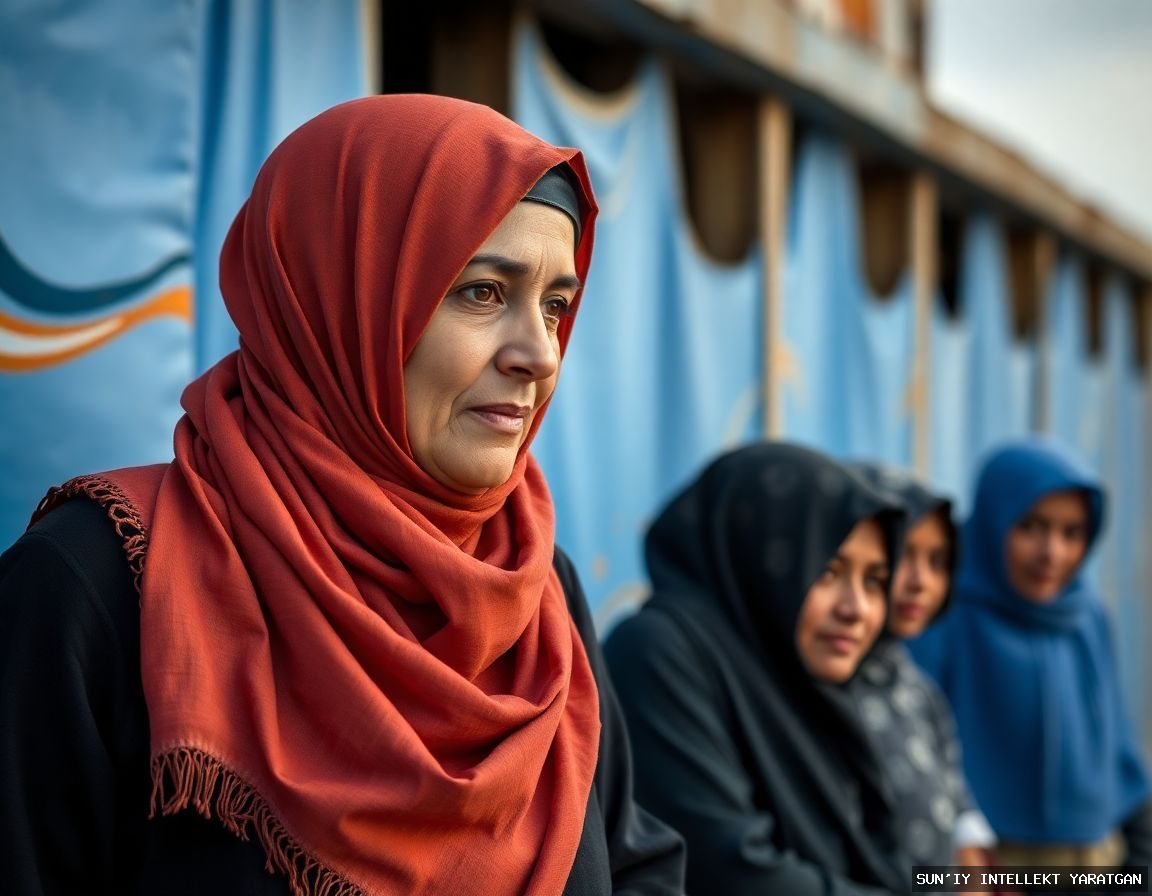
Nearly eight decades later, the world is struggling. The Syrian civil war triggered an enormous influx of refugees into Europe. Now, millions of refugees have fled Sudan’s brutal civil war, state collapse in Venezuela has caused mass migration, and the Russian invasion of Ukraine and many other conflicts around the world are in full swing, again causing mass displacements. The UN currently records more than 41 million refugees worldwide.
In recent years, some of the world’s richest countries have begun to roll out increasingly punitive policies towards refugees as populist, anti-immigration sentiment has taken hold. Last month the US Supreme Court ruled in favour of allowing the Trump regime to turn back asylum seekers at the border and remove temporary protected status (TPS) from Haitians and Syrians. This year refugee admissions to the US have been almost exclusively white South Africans.
Denmark, which was the first country to sign the convention three-quarters of a century ago, has stripped Syrian refugees of legal status and threatened them with deportation. It passed a sweeping package of reforms in 2019. A decade on from the refugee crisis fuelled by the Syrian war, border guards in several European Union states now routinely conduct violent pushbacks.
Adriana Tidona, migration researcher at Amnesty International, told Al Jazeera: “The new Migration and Asylum Pact will make it easier for EU countries to reject asylum applications without review, and send people to so-called ‘safe third countries’ to which they have no connection.” Tidona said the 75th anniversary is “an urgent reminder of the need to re-centre international cooperation in refugee protection and to share, not shift, responsibilities.”
According to Jeff Crisp at Oxford University, the convention lacks enforcement. “The convention wouldn’t have been set up if there was enforcement,” he said. Western regimes have gone further, actively deporting people to third countries. The former UK Conservative regime sought to send asylum seekers to Rwanda, the Italian regime has set up detention facilities in Albania, and the US regime has sent deportees to Iran.
Susan Fratzke, senior policy analyst at the Migration Policy Institute, said a new protocol could address some gaps. “A new protocol would avoid reopening fundamental parts of the convention but provide states with a sound legal basis for implementing more restrictive policies,” she said. In 2025, only 37,000 refugees were resettled by UNHCR, down from 116,000 in 2024.
An Ipsos poll suggests public attitudes may not be as hostile as politicians claim. Two-thirds of respondents support giving refuge to those fleeing war, but a similar proportion question whether claimants are genuine. Crisp warns there is no “big bang solution” for reform, and the Global South may resist changes, especially externalisation policies.
Source: www.aljazeera.com