A coalition of Western allies has issued a stark warning against employing IT workers from North Korea, alleging that their earnings are funneled into the country's nuclear weapons program.
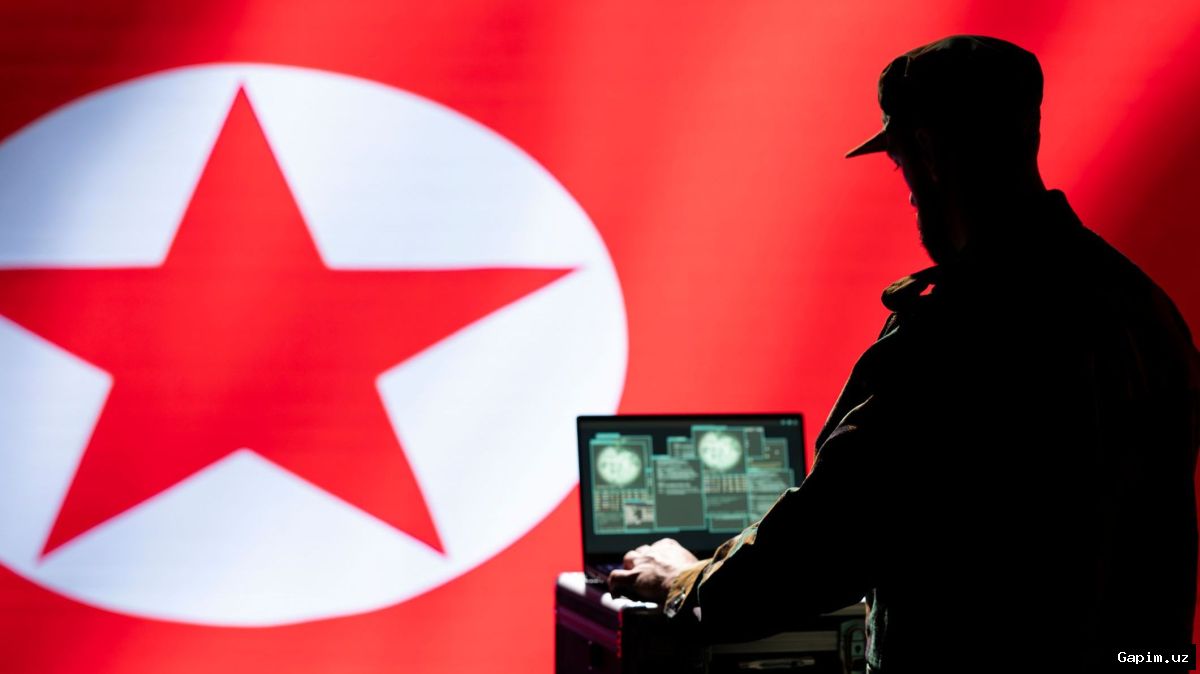
In a joint advisory released on Friday, 19 government agencies from nine countries stated that Pyongyang relies on IT operatives both within North Korea and abroad, who use stolen identities to secure remote work and generate illicit revenue. This money, the coalition claims, is then used to fund North Korea's prohibited nuclear weapons and ballistic missile programs.
The statement, signed by the United States, South Korea, Japan, and the United Kingdom, among others, also highlighted that artificial intelligence is being leveraged to expand Pyongyang's network of fraudulent remote IT workers.
The advisory further warned that these workers pose an espionage threat and are a source of cybercrime.
North Korea has long asserted its right to nuclear weapons and ballistic missile programs, despite United Nations Security Council resolutions banning them. In 2023, the country enshrined its nuclear status in its constitution.
Facing a barrage of international sanctions, Pyongyang is believed to engage in widespread cybercrime, cryptocurrency theft, and money laundering to bankroll its military ambitions.
Friday's advisory detailed that North Korean IT workers routinely obtain remote employment on online freelancing and hiring platforms by impersonating foreign nationals, then remit their paychecks directly to state agencies.
Officials emphasized that these workers pose an escalating insider security threat to global firms, engaging in corporate data exfiltration, cryptocurrency theft, and espionage on sensitive information.
"North Korean IT workers employ increasingly sophisticated methods, including the integration of AI, to obfuscate their identities and expand their activities globally," the coalition said, urging private sector hiring platforms and employers to significantly strengthen identity verification procedures.
According to the advisory, operatives frequently rely on overseas facilitators in North Korea, China, Russia, and Southeast Asia to establish "laptop farms," which house company-issued devices that North Korean workers access remotely via VPNs to mask their true locations.
The coalition, which also includes France, Germany, Italy, the Netherlands, and New Zealand, builds on previous advisories issued by Washington and its allies, urging global companies to immediately tighten identity verification and hardware vetting processes.
Source: www.aljazeera.com