In 2015, the European Union designated August 2 as the European Roma Holocaust Memorial Day. In Germany, the day is marked with memorial services, educational activities, and public addresses. But how is it observed in Eastern Europe, where the impact of the genocide was particularly devastating?
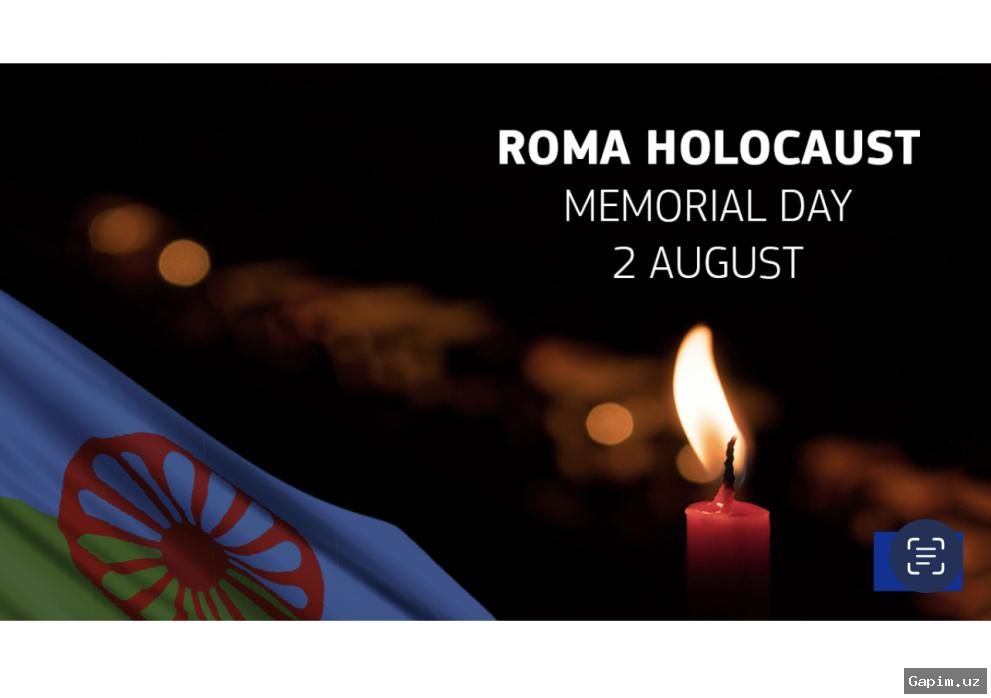
It took decades for Germany to officially recognize the Nazi genocide of 500,000 European Roma and Sinti during World War II. Several more decades passed before the European Holocaust Memorial Day for Sinti and Roma became an official German and European day of remembrance, celebrated annually on August 2.
Based on initiatives by Polish Roma groups, the Nazi liquidation of the so-called "Gypsy Family Camp" in the Auschwitz-Birkenau Concentration and Extermination Camp on the evening of August 2-3, 1944, was first commemorated half a century later, in 1994. Thousands of deported Roma and Sinti had already perished from malnutrition and disease. That evening, thousands more were forced into gas chambers, shot, and beaten to death by Nazi henchmen.
In 2015, the European Parliament declared this date the European Roma Holocaust Memorial Day. In Germany and other European countries, officials commemorate the genocide with the participation of government representatives. In some cases, representatives of European governments travel to the memorial site in Auschwitz.
Poland, home to an estimated 30,000 Roma, has been observing August 2 since 2011. The ceremony routinely includes a visit by parliamentary and governmental representatives to the Auschwitz Memorial. Another important day of remembrance is observed each year in the village of Szczurowa, east of Krakow, on July 3, honoring Polish Roma massacred by German troops in 1943.
In the Czech Republic, where nearly 250,000 Roma live, August 2 has been an official day of remembrance since 2015. The most important ceremony is held in Lety, south of Prague, where Roma organizations have been commemorating the genocide for decades. This is the site where German Nazis established a concentration camp in 1940, deporting and imprisoning Romani families from occupied Bohemia from 1942 onward. After the war, the site was used as a pig farm, closed in 2018 after controversy, and transformed into a place of remembrance.
Around half a million Roma live in Slovakia. Here, the Romani Holocaust Memorial Day has been observed on August 2 since 2005. The main ceremony is held at the Slovak National Uprising (SNU) museum in Banska Bystrica, which honors the 1944 armed uprising against Nazi occupation, one of the largest anti-fascist movements in Europe during World War II.
In Hungary, home to around 600,000 Roma, various sites have been observing the Romani Holocaust Memorial Day on August 2 since 2005, following a parliamentary resolution. In Budapest alone, there are three places of remembrance for Roma murdered during the Holocaust. Hungarian Roma were targeted for deportation and killings particularly after German occupation in 1944 and under the rule of the fascist Arrow Cross regime.
Romania, where around 2 million Roma live, has officially observed Roma Holocaust Memorial Day since 2020. The main event is held at the Holocaust Memorial in Bucharest, inaugurated in 2009. Under dictator Ion Antonescu, allied with Nazi Germany, Romania organized the mass deportation of Jews and Roma to Transnistria, where about 380,000 Jews and 11,000 Roma were murdered in camps or died from hunger and disease.
In Bulgaria, home to about 700,000 Roma, August 2 has yet to be declared an official day of remembrance, but it is still marked with commemorative events organized by Roma organizations. Although Bulgaria was allied with Nazi Germany, it resisted German demands to deport Jews and Roma, but groups were discriminated against through racist laws.
Croatia, with a Roma population of about 25,000, only declared August 2 a day of remembrance in 2014. The main ceremony is held at the site of the former Jasenovac concentration camp, where the fascist Ustashe movement imprisoned Serbs, Jews, Croats, and Roma, murdering between 15,000 and 20,000 people.
North Macedonia, home to around 100,000 Roma, has officially observed Roma Holocaust Memorial Day on August 2 since 2017. A key ceremony is held in Skopje at the Holocaust Memorial Center for the Jews of Macedonia.
In Serbia, where around 130,000 Roma live, August 2 is not an official memorial day, but other days of remembrance for the genocidal policies of the Nazi and Ustase regimes also honor the memory of Roma victims.
Source: www.dw.com