A South African scientist has made a breakthrough in the fight against the African armyworm, one of the most destructive pests for farmers in eastern and southern Africa. Letodi Luki Mathulwe, an entomologist, discovered that a mysterious white substance killing caterpillars in the fields was a naturally occurring fungus.
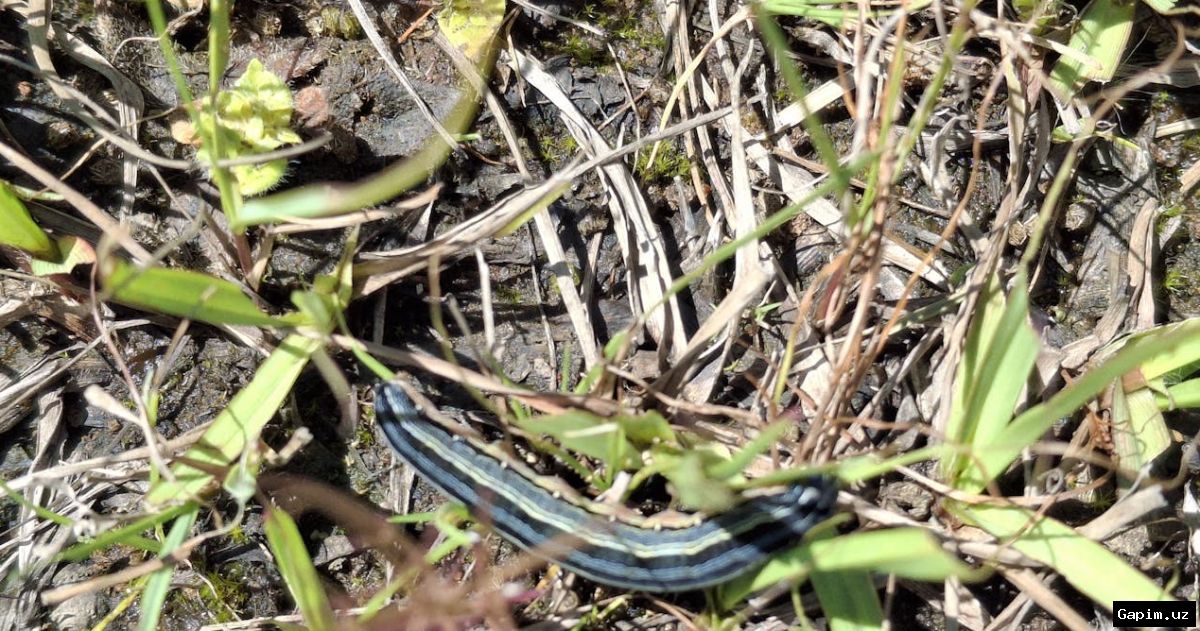
The discovery came during a major outbreak of African armyworm (Spodoptera exempta) in 2025, which started in northern South Africa and by April had reached the eastern province of KwaZulu-Natal. Mathulwe, working for the agriculture department, was receiving panicked calls from local farmers finding caterpillars in their fields.
When she visited the countryside, she found fields of Kikuyu grass covered with dead caterpillars enveloped in the white substance. "Something was killing the insects naturally. I was intrigued because in other areas the insects were alive and destroying the grass but as soon as they come here, there's something that is killing them," she said.
As an entomologist with experience in using fungi to control insect pests, Mathulwe immediately collected samples of the dead armyworms and the fungus for testing at her laboratory in Pietermaritzburg. The results, now published in a peer-reviewed paper, confirmed her hypothesis that the fungus could be used against the armyworms.
This is a major breakthrough because chemical treatments are only effective against early-stage caterpillars, while nothing has worked against mature populations. The African armyworm not only feeds on staple crops like maize and sorghum but also releases a chemical compound in grass that can make cattle sick.
The impact on farmers can be devastating. In 2017, an outbreak destroyed up to 40% of Zambia's maize production. It also drives up food prices and strains government budgets. Last year's outbreak caused problems in Zimbabwe, where inflation hit 736% in 2024, and Malawi, where it reached 35%.
Mathulwe believes the fungus can be developed into a product for future outbreaks. "When we discovered this fungus, we realized we could develop this into a product that can be eventually used when the next outbreak happens," she said. "I think it will be a great thing – it will eventually eliminate the fear for farmers that the insect creates."
While more testing is needed, Mathulwe is optimistic. "I think it will create a lot of hope for farmers, because it will mean that their animals won't get sick if the farmer is able to control the presence of the insects within their field," she added.
Source: www.theguardian.com