Tashkent, Uzbekistan – AN Podrobno.uz. UN experts have called on the international community to refrain from hastily normalizing relations with the Taliban authorities while Afghanistan continues to face severe restrictions on women's and girls' rights, hunger, and other humanitarian crises.
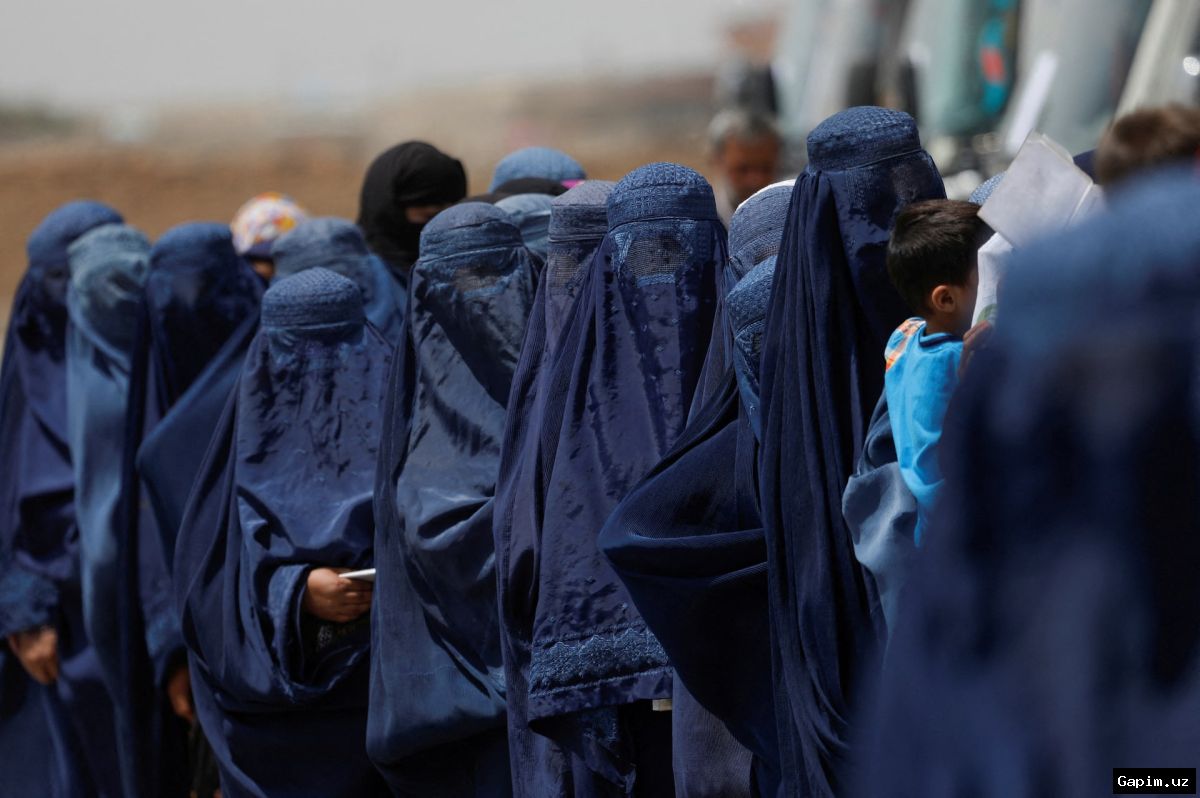
According to the experts, restrictions on women and girls have intensified since the Taliban's return to power in 2021. Schools stopped admitting girls over 12, and in December 2022, women were banned from universities. As a result, 2.4 million girls have been deprived of secondary education.
The restrictions have affected other areas of life as well. Women and girls face systemic discrimination and numerous bans, while persons with disabilities encounter barriers to education, healthcare, and economic participation.
Afghanistan also continues to grapple with severe food insecurity. Approximately 14 million people face acute food shortages, yet only about one in nine needy individuals receives assistance. Twelve provinces report record levels of acute child malnutrition.
The situation is exacerbated by armed conflicts, unemployment, rising prices, reduced international funding, and the return of nearly six million Afghans, mostly expelled from Pakistan and Iran. The cost of staple foods has surged by 20-30%. To sustain humanitarian programs through winter, the World Food Programme needs an additional $500 million.
Violence against women remains another serious issue. Since the Taliban's takeover, 231 cases of femicide have been recorded in ten provinces.
In 53 cases, deaths were officially ruled as suicides, despite relatives and witnesses reporting possible domestic violence. Only 58 arrests were made, and some detainees were later released.
Existing mechanisms for protecting women have also been dismantled. The Ministry of Women's Affairs, the special prosecutor's office for violence against women, and the network of shelters were abolished. Approximately 250 female judges were dismissed, and female prosecutors were sent home.
It is this combination of restrictions and human rights violations that worries UN experts. They urge continued efforts to press the Taliban authorities to respect human rights and prevent normalization without addressing ongoing abuses.
In their assessment, any steps toward normalizing relations with the Taliban must take into account the human rights situation in the country, with particular attention to women and girls, who remain the most vulnerable group due to prevailing restrictions and bans.
Source: podrobno.uz