The death toll from devastating floods near the Nepal-China border has risen to at least 734, with thousands still missing following Wednesday's disaster. Rescue efforts are underway to locate more than 900 missing workers at hydropower projects in central Nepal.
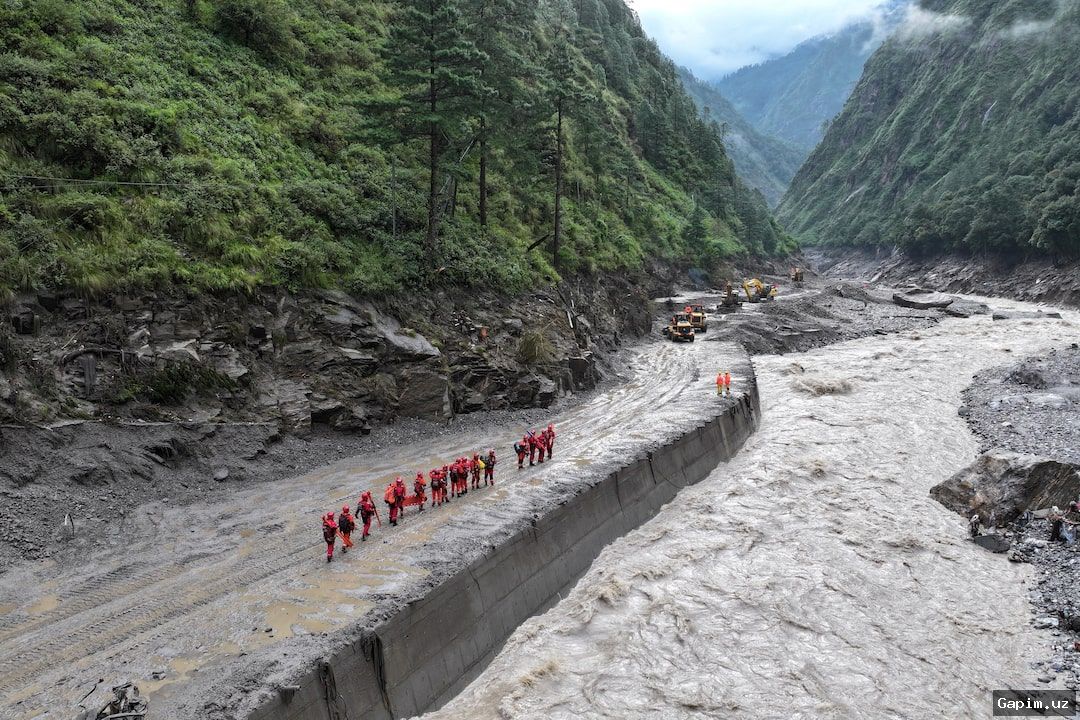
Authorities from Nepal and China's Tibet region have put the total number of missing at just over 3,000, with some bodies washing up in neighboring India. A glacier collapse high in the Himalayas triggered catastrophic flooding and landslides, burying villages and towns along the Trishuli and Bhotekoshi river systems.
On Friday, rising water levels in a new lake formed by debris prompted a temporary halt to search efforts amid fears of a second flood. Rescue operations resumed after the lake threat was deemed manageable. Al Jazeera's Katrina Yu, reporting from Beijing, said Chinese authorities claim the risk has been reduced but not eliminated, and they are monitoring the barrier lake using satellites, radars, and drones, confident they can give 30 minutes' notice if conditions deteriorate.
As of Sunday morning, around 933 people are missing or unaccounted for, according to Nepal's Independent Power Producers' Association. They were working at 11 hydropower project sites in Rasuwa and Nuwakot districts, including citizens of Nepal, India, South Korea, and China. The prime minister's office said a joint team of 82 personnel, including army and police, has been deployed to clear tunnel entrances, but adverse weather is hampering efforts.
Videos on social media show Nepali soldiers wading through mud to rescue workers trapped at the 216-megawatt Upper Trishuli-1 project, where 254 have been rescued. At other sites like the 22MW Chilime project, rescue is impossible as tunnels are filled with mud, according to executive director Baburaj Maharjan, who said a rock-climbing rescue team is being mobilized. India has sent teams to assist.
Nepal's National Disaster Risk Reduction and Management Authority confirmed the death toll of 734. The Kathmandu Post reports that bodies are turning up far downstream, and local morgues are running out of space. Foreign Minister NP Saud admitted the country lacks refrigerators to store bodies and conduct DNA tests. Unidentified bodies have been sent to 21 hospitals.
Chinese authorities in Tibet reported 16 deaths in Gyirong County. As of Sunday morning, 2,498 people remain missing in Nepal, including 589 foreigners and 127 Nepali citizens traveling with them, plus security personnel. Nepal's Foreign Secretary Amrit Bahadur Rai said 19,000 security personnel and 16 helicopters have been mobilized.
In Tibet, 261 foreign nationals from 23 countries are missing, including 104 Nepalis, 49 Indians, 33 Latvians, 18 Americans, 15 Britons, and others. Al Jazeera's Yu noted that foreign journalists are not allowed into the area, so information relies on government and state media. Chinese authorities say teams have searched at least 90,000 square meters using life monitoring equipment, search dogs, and drones.
Nepal and China are cooperating to identify missing citizens, but roads and bridges are destroyed. On Sunday, water levels in the Trishuli River rose again, forcing residents and rescuers to seek higher ground. Nepal's finance minister estimated losses at more than $4 billion. Nepali journalist Rojita Adhikari accused world leaders of not prioritizing climate threats: "This catastrophe is not Nepal's fault. The country is paying the price for how world leaders have been dealing with climate change."
China has mobilized 2,100 rescue workers and allocated at least 220 million yuan ($32.7m) for relief. International aid has arrived from the UN, Red Cross Federation, Australia, India, South Korea, and the US. Rescue operations continue, but challenges remain due to rugged terrain and lack of resources.
Source: www.aljazeera.com