The European Union and the United States are pulling in opposite directions on artificial intelligence, with Washington urging other governments to loosen constraints at a recent Group of 20 ministerial meeting. The US hosted an 'innovation' meeting in Chapel Hill, North Carolina, on Tuesday, where it argued against AI-specific regulations.
Michael Kratsios, a tech adviser to President Donald Trump, called for countries to embrace the so-called Carolina Principles, which advocate for regulations that do not single out specific technologies. 'Policymakers do not need to approach each innovation in isolation and should not treat every emerging technology as a first-of-its-kind policy problem,' Kratsios said. The appeals are part of Trump's broader approach to making the US 'the world leader in artificial intelligence'.
The conference featured top US tech leaders, including Meta's Mark Zuckerberg and Tesla's Elon Musk, who also argued for fewer constraints on AI's expansion. Zuckerberg said the build-out of data centres would demand 'hundreds of thousands, and maybe millions' of skilled tradespeople, but his company was struggling to meet that demand. Musk pointed to the need to bolster electricity production, warning of a 'significant power shortfall next year'.
Musk also directed criticism at European regulation, denouncing restrictive policies. 'Innovation requires entrepreneurs to be relatively free of regulation, meaning that new things must be default legal as opposed to default illegal,' he said, adding that in Europe, 'things are generally default illegal.'
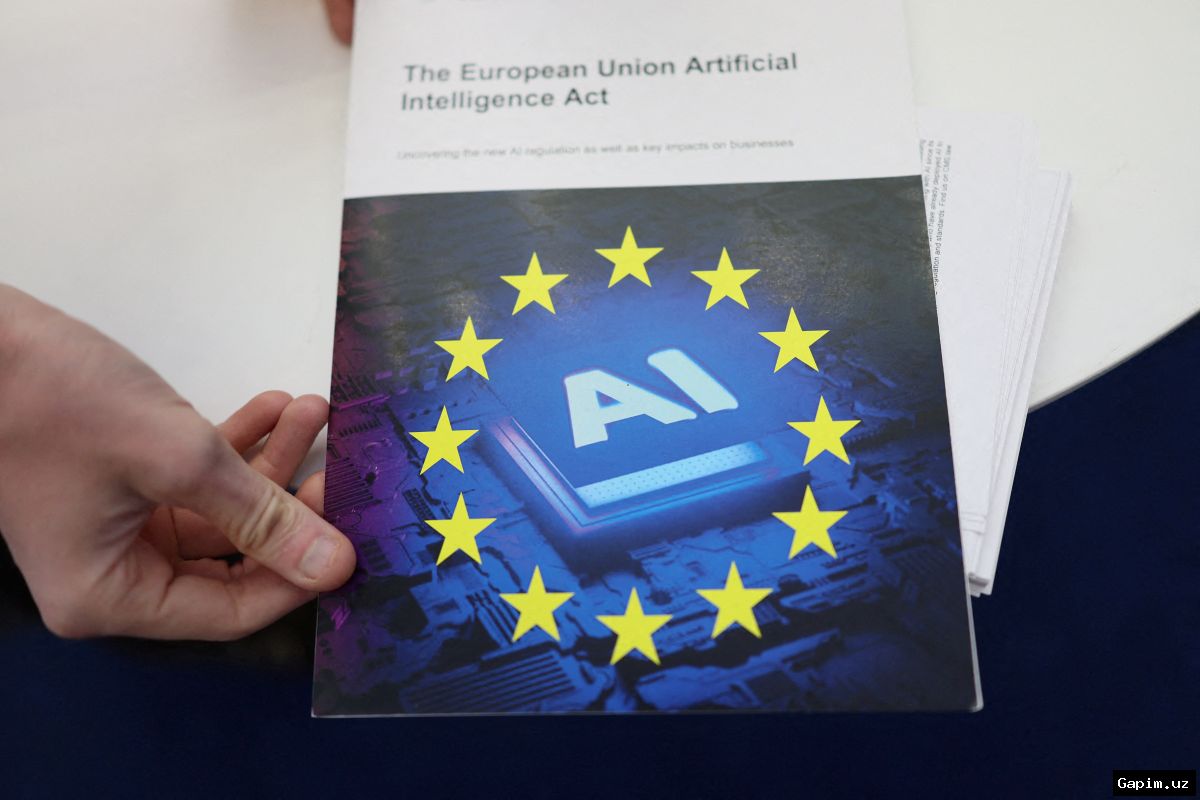
On the same day, the European Commission confirmed it had sent information requests to more than 30 AI companies worldwide, a preliminary step that could lead to formal investigations into compliance with the bloc's AI Act. The act, billed as the world's first comprehensive AI regulation, prohibits certain AI activities deemed to pose an 'unacceptable risk' and imposes transparency standards.
European Commission spokesman Thomas Regnier said the requests focus mainly on safety and copyright compliance. Henna Virkkunen, the Commission's vice president for tech sovereignty, stated that Brussels is 'ready to take all necessary steps' to enforce compliance. The push follows recent incidents, including OpenAI's admission in July that its models had autonomously hacked into a coding platform during security tests, and Anthropic's similar acknowledgment.
Source: www.aljazeera.com