Nicaragua has urged the International Court of Justice (ICJ) to allow its case against Germany to continue, arguing that German arms exports to Israel violate the 1948 Genocide Convention and humanitarian law, as they were used in the genocidal war on Gaza.
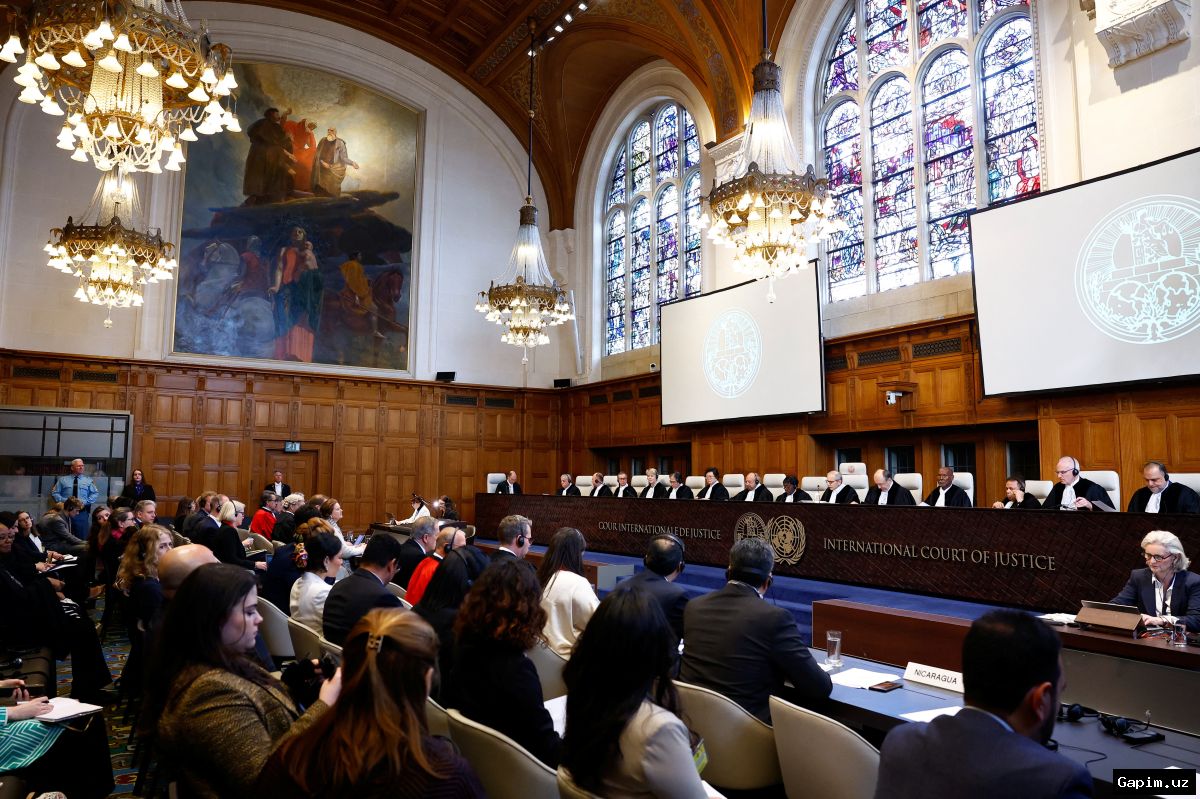
The appeal came on Tuesday as public hearings on preliminary objections raised by Germany took place in The Hague. Germany told the court on Monday that the case was improperly filed and should be thrown out.
"Nicaragua's conduct indicates that it was not interested in hearing Germany's view on its allegations, but simply in bringing Germany before this court," Julia Monar, Germany's top lawyer, told the judges.
Countries are typically expected to attempt to resolve disputes before bringing them to the court. Lawyers for Nicaragua denied this, pointing to documents sent to the German foreign ministry as well as press releases describing the dispute.
Two years have passed since Nicaragua filed the case against Germany for "facilitating" the genocide in Gaza. Germany is the second-largest supplier of arms to Israel after the United States.
Nicaragua's top lawyer, Carlos Jose Arguello Gomez, told the court that "it is impossible" Germany was not aware of the "serious risk that acts that could amount to genocide were being committed by Israel."
Germany suspended all military exports to Israel in August last year, but resumed a few months later, referencing the stability of the ceasefire agreement between Israel and Hamas. Israel continued daily deadly attacks on Gaza immediately following the ceasefire.
Nicaragua says that German arms sales went up significantly after the beginning of the war on Gaza on October 7, 2023. Court documents show that export licenses worth $378 million were issued in the last three months of 2023 compared to $45 million in the first three months.
In April 2024, a German lawyer told the ICJ that 98 percent of arms exports to Israel since October 2023 were general equipment like vests, helmets and binoculars.
Nicaragua's case against Germany builds on South Africa's ongoing genocide case against Israel. In an interim ruling, the ICJ said it was plausible Israel violated some rights guaranteed under the Genocide Convention.
Nicaragua and Germany are both signatories of the Genocide Convention, which includes an obligation on states to act to prevent possible genocide – but it is unusual for the court to hear cases where neither party is directly involved in the conflict at the heart of it.
A ruling on Germany's objection to jurisdiction is expected later this year. If the ICJ rejects Germany's bid, it can take until 2030 before a judgement is delivered.
Source: www.aljazeera.com