In Sharpeville, South Africa, 21 March 1960, police opened fire on protesters demonstrating against apartheid's pass laws, killing dozens and wounding many more. The massacre became a defining moment in the country's struggle for freedom, but for the families of the victims, the fight for justice is far from over.
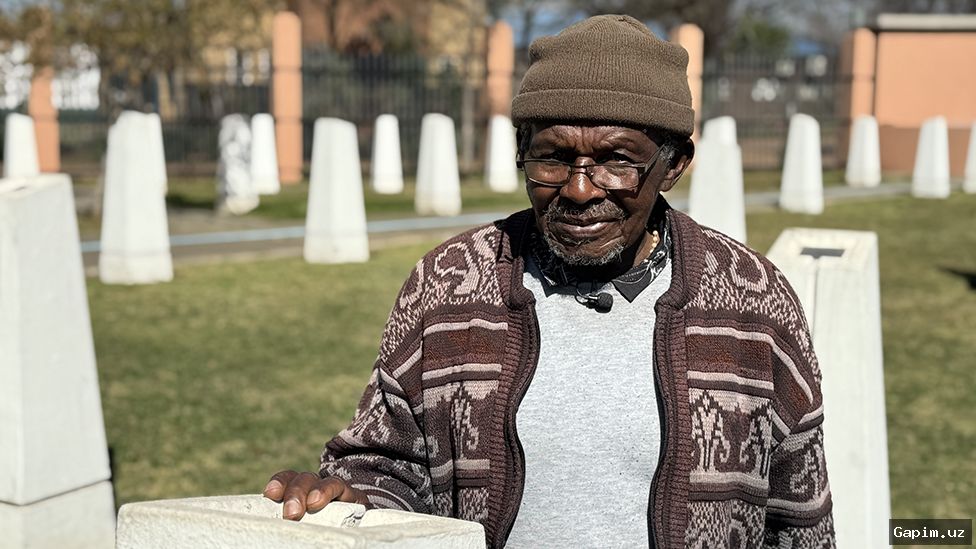
Paulina Mathinye, now 71, was just five years old when her father left for a meeting near the police station and never returned. She recalls thinking, "I'll run to him, and he'll pick me up like daddies do with their beloved daughters." Her father was among the 69 people officially killed that day, though research published in 2024 suggests the death toll may have been as high as 91.
The massacre led to the commemoration of 21 March as Human Rights Day in South Africa, and the country's democratic Constitution was signed in Sharpeville in 1996. However, survivors and relatives argue that remembrance has not translated into redress.
Lawyers for Human Rights has filed an application in the Gauteng High Court challenging the Indemnity Act of 1961, an apartheid-era law that barred victims from pursuing civil and criminal proceedings. The applicants are also seeking certification for a class action on behalf of survivors and dependants of those killed.
Mathinye's father was the family's breadwinner. After his death, her mother worked as a domestic worker to support five children. "We sometimes went to bed with empty stomachs," she says. "There was no electricity, and sometimes we couldn't even afford a candle to study by."
Mathinye dreamed of becoming a teacher but had to start working to help her family. "If my father had not been shot, maybe I would have been one of those teachers," she reflects.
Ishmael Poho, now 72, was six when his father was killed. His mother searched for three days before finding his body in police garages. "If my father had been alive, my life would have been different," he says.
Mauleen Maine, 62, lost an uncle who was the family's provider. Her grandmother and parents sought justice but died without seeing it. Maine continues the fight, emphasizing that compensation alone is insufficient; her family also wants better housing and education opportunities.
Vincent Thamae of Voices of Sharpeville stresses that the impact of the massacre extended beyond those directly shot. "The whole township was a victim," he says. The plaintiffs also seek dialogue with the government on reparations and recognition.
The case is urgent because many survivors are elderly. Lawyers for Human Rights notes that over 70 survivors and relatives have expressed support. The court has not yet ruled on the constitutionality of the Indemnity Act or government liability.
For Mathinye, the question remains: "Why did they shoot my father?" The story of Sharpeville is remembered as a turning point, but for these families, it is still unfinished.
Source: www.aljazeera.com